Planning an authentic Indian cuisine event in Barcelona is one of the most thrilling and complex undertakings a food enthusiast or event planner can attempt. Demand for genuine Indian experiences has surged across the city, driven by a growing appetite for bold spices, vibrant street food culture, and immersive cultural storytelling. Yet the gap between a mediocre themed dinner and a truly unforgettable event often comes down to planning. This guide walks you through every critical stage, from initial checklists to marketing strategy, so you arrive at your event date prepared, confident, and excited.
Table of Contents
- Key essentials and initial planning
- Securing venues and managing logistics
- Curating memorable menus and cultural experiences
- Marketing your Indian cuisine event for maximum impact
- What most guides miss: The key to authenticity is cohesion
- Discover authentic Indian street food experiences in Barcelona
- Frequently asked questions
Key Takeaways
| Point | Details |
|---|---|
| Start early | Book venues and key vendors at least a year ahead for smooth preparation in Barcelona. |
| Meet local regulations | Adhere to all venue, fire, music, and hygiene requirements to prevent last-minute issues. |
| Curate with care | Design menus and experiences that balance variety, cohesion and dietary inclusivity. |
| Market smartly | Leverage social media, influencers, and prior event successes to attract larger crowds. |
Key essentials and initial planning
Once you understand the scope of what you are creating, it is time to ensure all the basics are in place before diving into logistics. The foundation of any successful Indian cuisine event rests on decisions made weeks or even months before the first guest arrives.
Successful street food festival planning requires vendor selection for diverse authentic street food, effective marketing, safety protocols, logistics, and engaging entertainment, all working together as a unified system. Miss one element and the whole experience suffers.
Here is a core checklist of essentials every planner should address early:
- Venue: Indoor restaurant, hotel ballroom, outdoor plaza, or rooftop terrace, each with distinct advantages and restrictions
- Catering and food vendors: Specialist Indian caterers, live counter operators, and street food stalls
- Licensing and permits: Food hygiene, public entertainment, fire safety, and music permissions
- Cultural entertainers: Classical dancers, dhol drummers, live musicians, and storytellers
- Decor and ambience: Marigold garlands, lanterns, rangoli, and textile draping (see catering examples for events to understand how leading event companies structure their supplier relationships)
- Marketing assets: Social media strategy, content creation, and influencer partnerships
| Requirement | Key consideration | Typical lead time |
|---|---|---|
| Venue booking | Capacity, parking, kitchen facilities | 12 months |
| Catering vendor | Authenticity, hygiene certification | 6 to 9 months |
| Permits and licensing | Local authority requirements | 3 to 6 months |
| Cultural entertainment | Availability, technical rider | 4 to 6 months |
| Decor and theming | Decorating with Indian themes professionally | 3 months |
| Marketing campaign | Platform strategy, content calendar | 3 to 4 months |
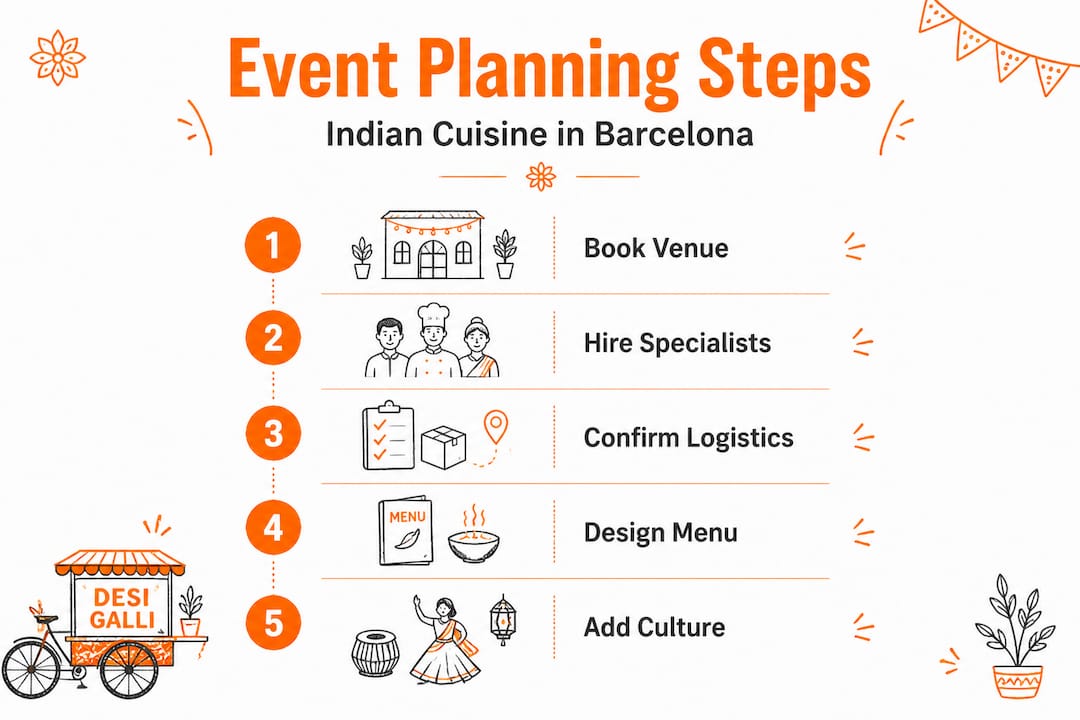
Early coordination with specialist event planners who understand both Spanish event regulations and Indian cultural sensitivities is invaluable. When booking Indian restaurants for private events or exploring venues that can accommodate live cooking counters, local expertise saves you significant time and costly errors.
Pro Tip: Book your desired venue and key vendors at least one year in advance. Prime dates in Barcelona, particularly around spring and summer festivals, fill extremely quickly and the best authentic Indian caterers are often booked even earlier.
Securing venues and managing logistics
With your essentials checklist complete, venue selection and the surrounding logistics become your primary focus. The venue shapes almost every other decision you will make.
Barcelona offers a diverse range of options for Indian cuisine events:
| Venue type | Pros | Cons |
|---|---|---|
| Hotel ballroom | Full facilities, catering infrastructure, parking | Higher cost, limited cultural flexibility |
| Dedicated restaurant | Authentic kitchen setup, existing licences | Limited capacity, fixed layout |
| Outdoor plaza or terrace | Vibrant atmosphere, space for large crowds | Weather dependency, noise restrictions |
| Private villa or finca | Exclusive feel, flexible arrangements | High logistics burden, separate hire costs |
The venue selection process for an event that includes cultural rituals requires especially careful due diligence. Specialist planners recommend using expert support for venue selection, decor, menu planning, and handling logistics like permits for baraat processions or fire rituals in Barcelona venues. Spanish venues often have strict rules about open flame and amplified sound after specific hours, and many planners only discover these restrictions after signing contracts.
Follow these steps when securing your venue and permits:
- Draft a detailed event brief covering guest count, programme duration, cultural elements, and technical requirements
- Shortlist three to five venues and conduct in-person visits with your cultural entertainment team if possible
- Request the venue’s full restrictions list in writing, particularly regarding fire, amplified music, and late-night licences
- Apply for all necessary permits through Barcelona’s Ajuntament at least three months before the event date
- Confirm EU food hygiene compliance with every catering vendor, as regulations for public food service are strictly enforced
- Review the event textile checklist to plan draping, table linens, and fabric installations in compliance with fire safety standards
- Finalise all contracts with cancellation clauses clearly defined in case of permit delays
Check local event regulations in Barcelona to ensure you are not inadvertently planning elements that will require last minute changes.
Warning: Overlooking local authority protocols is one of the most common and costly mistakes in event planning. Barcelona authorities have shut down events for non-compliant fire elements, unlicensed entertainment, and noise violations. Address every protocol formally and in writing before the event date.
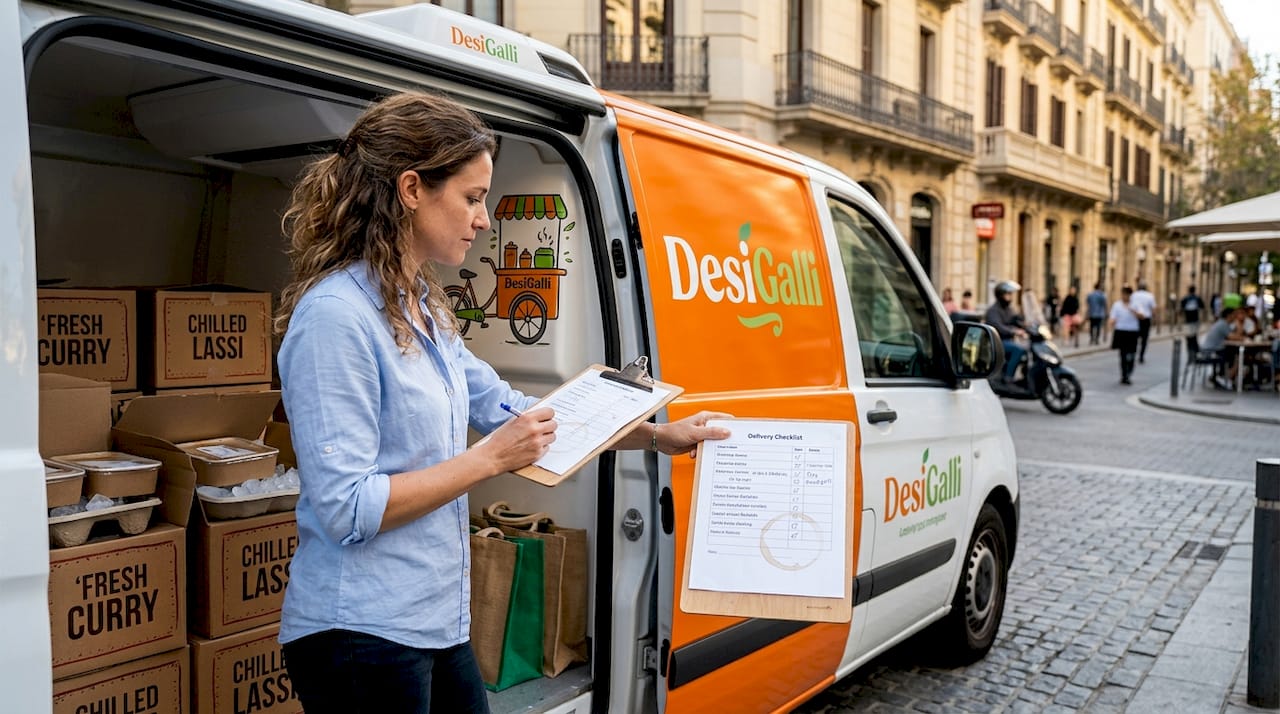
Logistics for food service deserve equal rigour. Consider equipment transport, refrigeration for fresh ingredients, waste management, and dedicated service lanes for live counter operators. Parking arrangements for catering vehicles must be negotiated separately from the general event venue contract.
Pro Tip: Confirm every planned cultural ritual directly with the venue manager, not just the events coordinator, to avoid last-minute surprises on the day. What one team member approves verbally may be overruled on the night.
Also explore authentic Indian themed dinners for inspiration on how to structure the evening’s programme around cultural moments.
Curating memorable menus and cultural experiences
Once logistics are sorted, you can turn your focus towards designing menus and cultural moments that guests will genuinely remember. This is where an Indian cuisine event transforms from a meal into an experience.
A well-designed Indian event menu moves through distinct acts. Starters feature crispy samosas, pani puri counters, and papdi chaat served tableside. The middle course transitions into rich curries, fragrant biryanis, and tandoor-cooked breads. Desserts close with gulab jamun, kulfi, and masala chai stations.
Live food counters are essential for memorable experiences, alongside balanced menus, dietary inclusivity, and vibrant decor. The interactive nature of a live dosa station or a chaat counter where guests can customise their toppings creates genuine engagement, turning passive diners into active participants.
Key elements for a culturally rich event include:
- Live chaat counter: Bhel puri, sev puri, dahi puri assembled fresh in front of guests
- Tandoor station: Seekh kebabs, paneer tikka, and naan bread cooked live
- Regional dessert table: Representing different Indian states such as Bengali mishti doi or Rajasthani ghevar
- Classical dance performance: Bharatanatyam or Kathak set to live tabla and sitar music
- Rangoli welcome installation: A large collaborative rangoli piece guests can contribute to on arrival
- Thematic lighting: Warm saffron and marigold tones, traditional diyas, and fabric lanterns
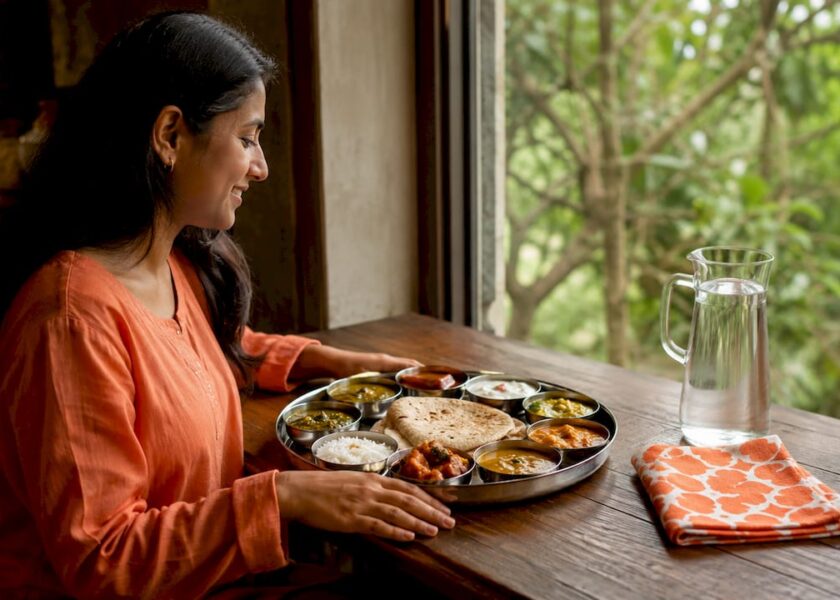
Dietary inclusivity is non-negotiable for a modern Indian event. The popularity of Indian street food in Barcelona is partly driven by its naturally abundant vegetarian and vegan options, which means your menu can cater to almost every dietary requirement without feeling compromised. Label every dish clearly, including Jain options (no root vegetables) and gluten-free alternatives. Brief your service staff on allergens before the event opens.
The Barcelona street food experience is already rich in cultural diversity, and an Indian event adds another vivid layer to that fabric.
Pro Tip: Do not over-diversify your menu. Twelve dishes executed brilliantly will always impress more than thirty executed poorly. Identify your crowd-pleasers, such as butter chicken, chaat, and samosas, and make them extraordinary rather than trying to represent every regional Indian cuisine at once.
Marketing your Indian cuisine event for maximum impact
After refining your event’s experience, the final phase is getting the word out and inspiring a vibrant turnout. Marketing is not an afterthought. It is as important as any operational element.
Barcelona Utsav 2026 demonstrated precisely this point. The festival, presented by Casa Asia, drew enthusiastic crowds through themed authentic cultural offerings that combined Indian food, music, and art in a single immersive space. The lesson is clear: when marketing positions your event as a genuine cultural experience rather than simply a meal, attendance responds accordingly.
Social media and influencers are essential tools for drawing crowds to Indian food festivals, and the best campaigns begin building awareness at least eight to twelve weeks before the event date.
Follow these steps to build your campaign:
- Define your visual brand: Choose a consistent colour palette, font, and imagery style rooted in Indian aesthetics, think saffron, indigo, and gold tones
- Build anticipation content: Post behind-the-scenes preparation footage, vendor introductions, and ingredient spotlights across Instagram and TikTok
- Identify local food influencers: Partner with Barcelona-based food bloggers and cultural content creators who have engaged, local audiences
- Collaborate with Indian community groups: Reach out to Indian cultural associations, Hindi-speaking groups, and diaspora networks in Catalunya
- List on event platforms: Use local Barcelona event directories and platforms to maximise discoverability beyond your existing audience
- Activate local press: Send press releases to Barcelona food and lifestyle publications at least six weeks out, offering exclusive tasting previews to key journalists
Watch emerging street food trends in 2026 to ensure your messaging stays current and resonates with what food-curious audiences are actively seeking.
For catering efficiency during the event itself, pre-plan service flows that allow guests to experience multiple food stations without congestion, as smooth service reinforces positive social sharing in real time.
Pro Tip: Reuse your event photography and guest testimonials immediately after the event to seed your marketing for the next one. The credibility of real guest reactions outperforms any designed campaign asset.
What most guides miss: The key to authenticity is cohesion
Most event planning guides focus almost exclusively on quantity. More food stations. More entertainment acts. More decor elements. Bigger budgets. This instinct is understandable but misguided.
In our experience working with Indian cuisine events across Barcelona, the guests who leave truly moved are never the ones who experienced the most. They are the ones who experienced the most coherent event. A single story, told through food, music, ritual, and decor, lands far more deeply than a scattered collection of impressive but disconnected elements.
Over-diversifying the menu confuses service and undermines cohesion between choices and event flow. The same principle applies beyond the menu. An event themed around the street markets of Rajasthan, for example, should feature Rajasthani folk music, dal baati churma on the menu, the warm earthy tones of that desert state in its decor, and storytelling that connects guests to that specific cultural world. Mixing in South Indian dosas and Bengali sweets and Punjabi bhangra, while individually excellent, fragments the guest experience into something that feels like a greatest-hits compilation rather than a journey.
The most memorable Indian events we have witnessed built their entire programme around one central cultural idea and then executed it with extraordinary attention to detail. The benefits of Indian street food run deepest when the cuisine is presented with intention and story, not just spectacle.
Ask yourself before finalising every element: does this serve the story we are telling tonight? If the answer is unclear, reconsider whether it belongs.
Discover authentic Indian street food experiences in Barcelona
For those inspired to bring their own Indian cuisine event to life, our local experts at Desi Galli can help you realise the vision. We understand the street food flavours and rituals that make Indian cuisine so compelling because we live them every day in the heart of Barcelona.
At Desi Galli, we specialise in authentic Indian street food and offer event-friendly menus that can be tailored for private dinners, corporate gatherings, cultural festivals, and pop-up experiences across the city. Our team brings the energy of Indian street markets directly to your event, with bold flavours, vibrant presentation, and the kind of warmth that turns first-time guests into devoted regulars. Whether you are hosting twenty people or two hundred, we would love to be part of your event’s story.
Frequently asked questions
How far in advance should I book a venue for an Indian cuisine event in Barcelona?
Book venues and planners at least one year ahead due to high demand and permit requirements, especially if your event includes fire rituals, music, or outdoor elements.
What permits might I need for an Indian street food event?
You will likely need permits for food preparation, public entertainment, fire, and music. EU hygiene norms apply to all public food service, and Barcelona has specific local restrictions on amplified sound and open flame.
How can I make my Indian cuisine event inclusive for all dietary needs?
Plan for vegan, Jain, and gluten-free options, clearly label all dishes on display, and consult vendors in advance about cross-contamination procedures.
What are some engaging cultural touches for Indian food events?
Live counters, cultural music, vibrant lighting, marigold and flower installations, and regional rituals all add authentic flair that elevates a simple food event into a cultural experience.
How important is marketing for event attendance?
Social media and influencers are vital to drawing crowds and building advance excitement, particularly when your event targets both the local Barcelona community and visiting food enthusiasts.
Recommended
- How to book an Indian restaurant for parties in Barcelona – Desi Galli
- Steps to enjoy authentic Indian street food in Barcelona – Desi Galli
- Checklist for authentic Indian gastronomy in Barcelona – Desi Galli
- Cómo vivir una experiencia culinaria india auténtica en Barcelona – Desi Galli
- Discover unique Barcelona tours for creative travelers