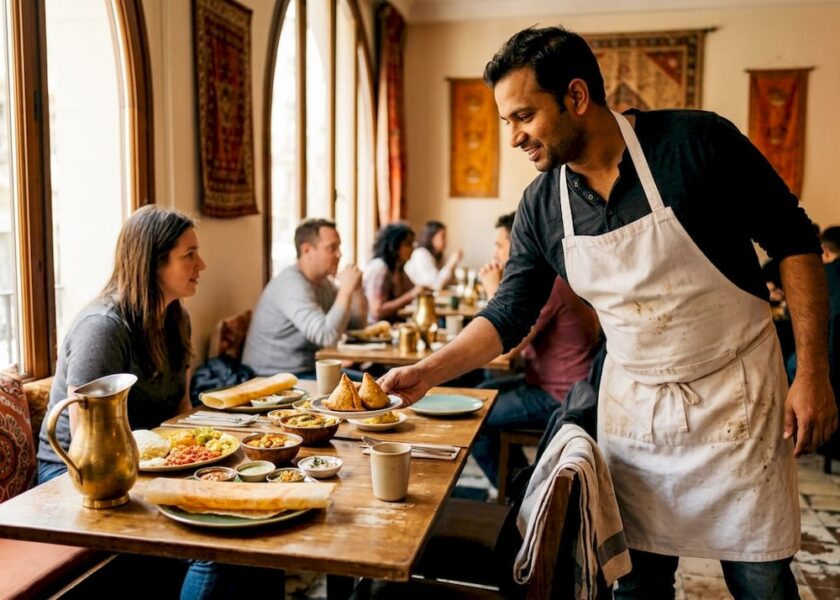

Barcelona is defined as one of Europe’s most welcoming cities for international residents, and its restaurant scene reflects that directly. The best expat-friendly restaurants in Barcelona combine authentic neighbourhood charm, multilingual staff, and diverse cuisines that make you feel at home from the first visit. Whether you are searching for Asian restaurants as an expat in Barcelona, craving Indian street food, or simply want a reliable local spot after a long week, this guide covers the districts, cuisines, and practical habits that matter most.
1. What makes a restaurant truly expat-friendly in Barcelona?
An expat-friendly restaurant is one where international residents feel genuinely welcome, not merely tolerated as tourists. The markers are specific: English menus or staff who speak a second language, a relaxed atmosphere that does not require insider knowledge, and a price point that suits everyday dining rather than special occasions.
Barcelona’s dining culture is shaped by Catalan traditions, but the city’s large international community has pushed many restaurants to adapt. Neighbourhoods with high expat populations tend to produce the most inclusive spots, where owners recognise that repeat custom comes from residents, not one-time visitors. The Gremi de Restauració de Barcelona, the city’s main hospitality trade body, has long encouraged member restaurants to cater to multilingual clientele.
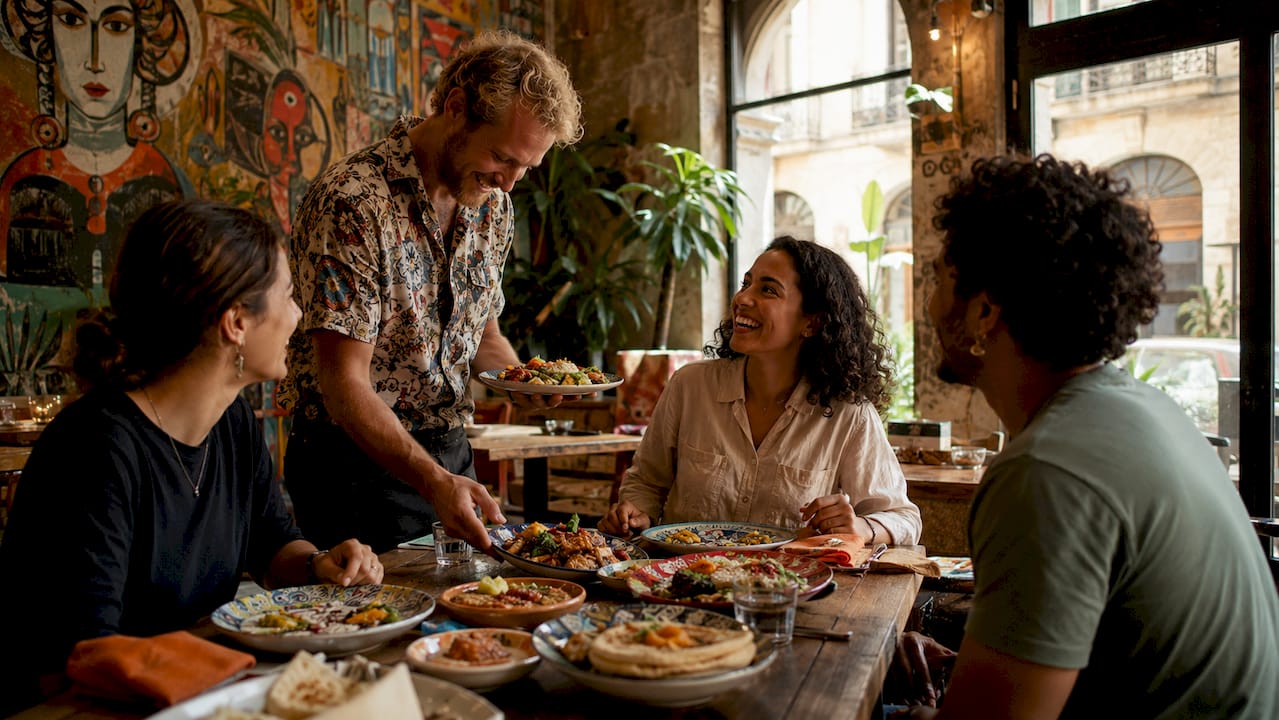
2. Which neighbourhoods offer the best expat dining scenes?
The district you live in shapes your dining life more than any app or ranking. Residential neighbourhoods like Gràcia and Eixample consistently produce the most welcoming atmospheres for expats, because local communities drive the hospitality rather than tourist footfall.
Here is a quick breakdown of the key districts:
- Gràcia delivers a small-town feel within a major city. Restaurants here focus on repeat customers, and local eateries in Gràcia often have menus only in Catalan or Spanish, but the welcome is genuine. Prices are lower than the tourist belt, and the community atmosphere makes integration far easier.
- Eixample offers a broader range of international options alongside elegant Catalan dining. The grid layout makes it easy to explore on foot, and the neighbourhood attracts a mix of long-term expats and professionals.
- El Born suits expats who want creative cuisine and a vibrant social scene. The area has a higher concentration of English-speaking staff and menus, though prices reflect its trendier profile.
- Poblenou is an emerging district worth watching. Its growing tech and creative community has brought a wave of multicultural restaurants that cater naturally to international residents.
Pro Tip: Avoid basing your neighbourhood dining choices purely on online rankings. The best expat-friendly spots are often found by walking the streets of your own district and noting where locals eat at lunch.
3. Which international cuisines are most accessible for expats?
Barcelona’s international dining scene is genuinely broad. Asian restaurants are among the most popular choices for expats, and the city offers a strong range across price points. Shanghai dim sum in Eixample costs around €20–30 per person, while Japanese ramen in the Gothic Quarter typically comes in under €25 per person. These options make Asian dining one of the most affordable categories for regular meals.
Pan-Asian options are particularly well represented. You can find Japanese, Korean, Thai, and Vietnamese spots across multiple districts, and several fusion restaurants in Gràcia blend Asian techniques with local Catalan produce. For expats looking to find pan-Asian restaurant options in Barcelona, the Eixample and Gràcia districts are the most reliable starting points.
Mediterranean and Catalan cuisine remains the backbone of the city’s food culture. Expats who engage with traditional Catalan dishes such as escalivada, fideuà, and pa amb tomàquet often find the deepest connections with local residents. These dishes appear on menus across every price bracket and neighbourhood.
Indian street food is a growing category that resonates strongly with expats. The cuisine’s bold spices, vegetarian depth, and casual format translate well to the Barcelona dining style. Desigallibcn, located in the heart of the city, specialises in authentic Indian street food including samosas, chaat, and curries, with strong vegetarian and vegan options that appeal to a wide range of dietary preferences. For practical advice on choosing Indian restaurants that deliver genuine authenticity rather than a diluted version, it pays to research before you book.
4. How do Barcelona’s dining habits affect your experience as an expat?
Understanding local meal times is the single most practical adjustment an expat can make. Lunch runs from 13:30 to 14:30, and dinner service starts from 20:30 to 22:30. Arriving at 19:00 for dinner is not early. It means you will likely find a near-empty restaurant with a reduced atmosphere and, in some cases, a limited menu.
Here are the key practical norms to know:
- Meal timing matters. Respecting local schedules means you eat when the kitchen is at its best and the room is full of locals rather than tourists.
- Reservations depend on the venue type. Casual tapas bars are almost exclusively walk-in; high-end or trendy restaurants often require booking one to two weeks in advance.
- Tipping is discretionary. Leaving €1–2 on a casual meal or rounding up the bill is appreciated but never expected. Service charges are rarely added automatically.
- Language barriers are manageable. Most restaurants in expat-heavy districts have at least one English-speaking staff member. Learning five to ten words of Catalan or Spanish earns visible goodwill.
Pro Tip: If you want to eat at a popular restaurant on a Friday or Saturday evening, book at least a week ahead. Walk-in success at trendy spots drops sharply at weekends.
5. Top 10 expat-friendly restaurants in Barcelona
The following ten spots represent the breadth of international dining available to expats, from affordable street food to refined neighbourhood dining.
- Desigallibcn (Desi Galli) — Indian street food, city centre. Casual, affordable, and genuinely welcoming to expats. Strong vegetarian and vegan menu. Walk-in friendly at lunch; booking advised for weekend evenings.
- A neighbourhood dim sum house in Eixample — Cantonese and Shanghai-style dim sum. Expect €20–30 per person. Menus typically bilingual. Ideal for group dining.
- A Japanese ramen bar in the Gothic Quarter — Reliable under €25 per person. Counter seating makes it easy for solo expats. No reservation needed for most sittings.
- A Catalan tavern in Gràcia — Traditional Catalan menu, often in Catalan only, but staff are welcoming to international guests. Affordable lunch menus around €12–15.
- A Vietnamese kitchen in El Born — Fresh, light dishes at mid-range prices. English menus standard. Popular with the expat professional crowd.
- A Korean barbecue spot in Eixample — Interactive dining format that works well for groups. Book ahead for weekends.
- A Mediterranean tapas bar in Poblenou — Creative takes on classic tapas. Relaxed atmosphere, mixed local and expat clientele.
- A Thai restaurant in Gràcia — Consistent quality, vegetarian-friendly, and priced for regular visits rather than special occasions.
- An Indian curry house near Passeig de Gràcia — Broader menu than street food specialists. Good for expats new to Indian cuisine who want a gentler introduction.
- A fusion café in El Born — Brunch and all-day dining with an international menu. English spoken throughout. Popular with expat families on weekends.
Casual dining in Barcelona typically costs €25–35 per person, while fine dining ranges from €150–300 per person. That gap is wide, and the sweet spot for most expats sits firmly in the casual to mid-range bracket.
6. How to discover expat-friendly restaurants beyond the tourist trail
Prioritising neighbourhood dynamics over online rankings is the single most effective strategy for finding genuinely good dining spots. A restaurant with 4.2 stars and 800 reviews on a major platform may be optimised for tourists, not residents.
Practical ways to find hidden gems:
- Visit local markets. The Mercat de l’Abaceria in Gràcia and the Mercat de Santa Caterina in El Born both have food stalls and adjacent restaurants that cater to local shoppers. Conversations at market stalls regularly lead to genuine recommendations.
- Ask hospitality staff directly. Waiters and bar staff in your neighbourhood know where their colleagues eat. A simple question after a good meal often produces better leads than any expat dining guide for Barcelona.
- Use expat community forums. Facebook groups such as “Expats in Barcelona” and local Reddit threads carry current, resident-driven recommendations that reflect real dining experiences rather than paid placements.
- Embrace tapas hopping. Tapas hopping across multiple bars is a recommended way for expats to experience local culture authentically. It also exposes you to a wider range of venues in a single evening than any sit-down meal could.
- Check vegetarian and vegan directories. Platforms that index plant-based dining, including alternatives to HappyCow, can surface smaller, independent restaurants that rarely appear in mainstream guides but are often the most expat-friendly in terms of dietary flexibility.
The deeper point is that local food culture enhances expatriate experiences in ways that no amount of online research fully replicates. Showing up, being curious, and returning regularly builds the kind of relationship with a restaurant that transforms a meal into a genuine neighbourhood ritual.
Key takeaways
The most expat-friendly restaurants in Barcelona are found in residential neighbourhoods, not tourist districts, and they reward expats who adapt to local meal times and dining customs.
| Point | Details |
|---|---|
| Neighbourhood beats ranking | Gràcia, Eixample, and El Born offer the most welcoming atmospheres for international residents. |
| Meal timing is critical | Lunch runs 13:30–14:30 and dinner from 20:30; arriving outside these windows reduces both atmosphere and menu choice. |
| Asian and Indian cuisines lead for value | Asian dining typically costs under €25–30 per person, making it one of the most accessible categories for expats. |
| Walk-in vs booking depends on venue type | Tapas bars welcome walk-ins; popular or high-end restaurants require one to two weeks’ advance booking. |
| Local engagement beats app research | Asking staff, visiting markets, and using resident forums consistently surfaces better dining options than online rankings. |
Why I think most expats get Barcelona dining wrong at first
The most common mistake I see expats make is treating Barcelona like a city where you need a reservation list and a curated guide before you can eat well. That mindset produces anxiety and tourist-trap meals in equal measure.
The real texture of dining here comes from repetition. You find a place, you go back, and by the third visit the owner knows your order. That is not a romantic notion. It is how the city actually works, and it is why local culinary traditions reward genuine curiosity from international diners far more than they reward research.
Tapas hopping is genuinely underrated as a social tool for expats. It is not just a way to eat. It is a way to meet people, practise Spanish or Catalan in low-stakes settings, and understand how locals actually spend an evening. One sit-down dinner at a well-reviewed restaurant teaches you far less about Barcelona than three hours moving between neighbourhood bars.
The other thing worth saying plainly: do not avoid restaurants because the menu is only in Catalan. That is often a sign you have found somewhere worth returning to.
— YellowRock
Authentic Indian street food at the heart of Barcelona
Desigallibcn brings the energy of Indian street markets directly to Barcelona’s city centre. The menu covers samosas, chaat, curries, and a strong selection of vegetarian and vegan dishes, all prepared with the bold spices and vibrant presentation that define authentic Indian street food.
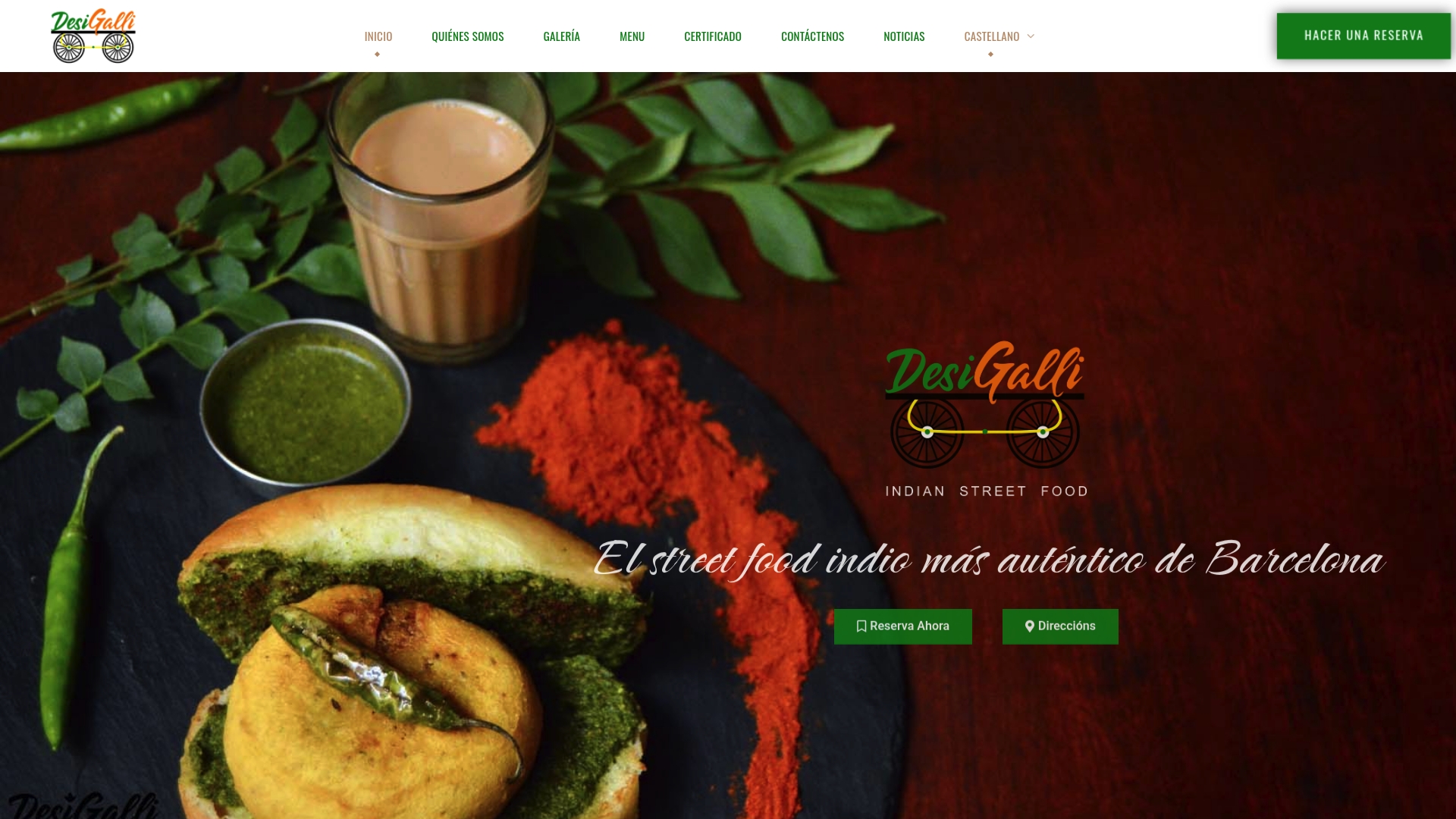
The atmosphere is casual and genuinely welcoming, making it one of the most accessible spots for expats who want something different from the standard Mediterranean offering. Whether you are new to Indian cuisine or a regular, the Indian street food experience at Desigallibcn is worth building into your Barcelona dining rotation. Online reservations are available, and the central location makes it easy to reach from any district in the city. You can also browse the full street food menu before you visit.
FAQ
What does “expat-friendly” mean for a Barcelona restaurant?
An expat-friendly restaurant in Barcelona offers English menus or multilingual staff, a welcoming atmosphere for international residents, and a price point suited to regular dining rather than one-off tourist visits.
When do locals eat lunch and dinner in Barcelona?
Lunch typically runs from 13:30 to 14:30, and dinner service starts from 20:30 to 22:30. Arriving outside these windows means a quieter room and sometimes a reduced menu.
Do I need to tip at restaurants in Barcelona?
Tipping is discretionary in Barcelona. Leaving €1–2 on a casual meal or rounding up the bill is appreciated, but service charges are rarely added automatically and tips are never expected.
Which Barcelona neighbourhoods are best for expat dining?
Gràcia, Eixample, and El Born consistently offer the most welcoming dining scenes for expats, with a mix of affordable local restaurants, international cuisine, and community-driven atmospheres.
How far in advance should I book a popular Barcelona restaurant?
Casual tapas bars are almost exclusively walk-in friendly. High-end or trendy restaurants typically require booking one to two weeks in advance, particularly for Friday and Saturday evenings.
Recommended
- Top foodie destinations Barcelona: a local’s guide – Desi Galli
- Comparativa restaurantes temáticos Barcelona: 5 mejores 2026 – Desi Galli
- Top 8 Alternativas a bcnrestaurantes.com en 2026 – Desi Galli
- Checklist experiencias culinarias auténticas Barcelona 2026 – Desi Galli