
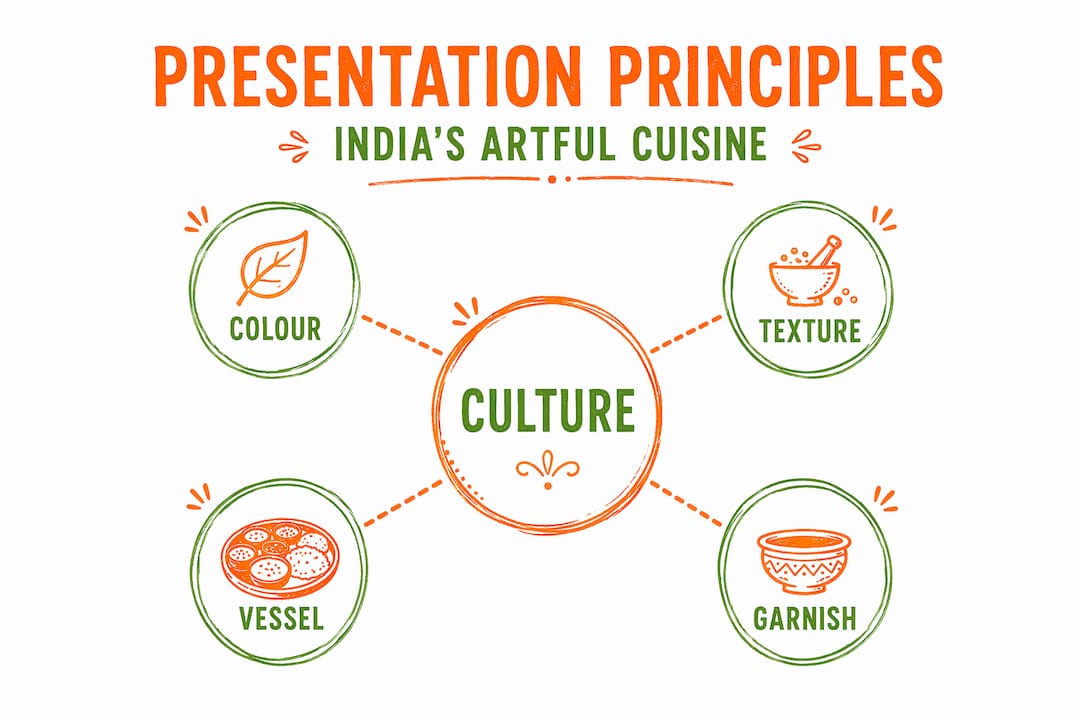
Indian food presentation is one of the most misunderstood aspects of the cuisine. Many people assume that a spread of curries, dals, chutneys, and breads is simply piled onto a plate without thought. The opposite is true. What is Indian food presentation, really? It is a carefully orchestrated visual language built from colour, texture, vessel choice, and cultural storytelling. From the layered geometry of a Rajasthani thali to the vivid chaos of Mumbai street chaat, every visual decision carries meaning. This article unpacks the principles, traditions, and modern techniques that define how Indian food is presented and why it matters so deeply.
Table of Contents
- Key takeaways
- The core principles of Indian food presentation
- Traditional vessels and their cultural power
- Garnishing in Indian cuisine: function over decoration
- Modern Indian food styling and emotional storytelling
- Indian cuisine presentation tips you can apply today
- My perspective: authenticity beats perfection every time
- Experience authentic Indian presentation in Barcelona
- FAQ
Key takeaways
| Point | Details |
|---|---|
| Colour and texture are deliberate | Vibrant contrasting colours and varied textures are chosen intentionally to create visual and sensory balance. |
| Vessels carry cultural meaning | Brass, copper, steel, and banana leaves each tell a different story and set a different emotional tone. |
| Garnishes must earn their place | Traditional garnishes like fresh coriander and fried curry leaves add flavour and aroma, not just visual appeal. |
| Imperfection communicates warmth | Slight spills, torn roti edges, and hands in frame evoke authentic emotion more powerfully than polished plating. |
| Practical technique matters | Applying the rule of thirds, height variation, and proper vessel selection transforms any Indian dish into a compelling presentation. |
The core principles of Indian food presentation
At its heart, Indian food presentation uses vibrant colours, balanced textures, and traditional vessels to reinforce cultural authenticity. Understanding this foundation is what separates someone who arranges food from someone who presents it meaningfully.
Colour plays the lead role. Turmeric yellow, saffron orange, deep curry red, and the bright green of fresh coriander are not accidental. They are chosen to contrast and complement one another across multiple small dishes. When a pale, creamy raita sits beside a dark tamarind chutney and a vivid spinach sabzi, the result is a visual rhythm that draws the eye across the plate rather than locking it in one place.
Texture works alongside colour. Consider the contrast between soft, yielding dal, the crisp edge of a fried papad, the fluffy interior of a paratha, and the crunchy bite of a pickled onion. Each element plays a distinct textural note. This variety is not accidental. It is an intentional layering that makes the eating experience richer and the visual composition more dynamic.
The thali is where these principles converge most powerfully. Think of it as an orchestra of flavours where multiple dishes harmonise in colour, texture, and flavour to create a complete experience. Dal, sabzi, pickles, and sweets each have their own personality, yet the arrangement creates visual rhythm and balance across the whole plate.
- Position strong colours at opposing points on the thali to guide the eye naturally
- Use small, rounded katoris (bowls) to keep wet dishes distinct and prevent colour bleed
- Place dry elements like rotis and puris at the outer edge to frame the arrangement
- Reserve the centre of the thali for the main dish or the staple rice portion
- Use contrasting garnishes as visual punctuation between similar-coloured dishes
Pro Tip: When styling a multi-dish Indian meal, lay out all the dishes before plating and assess the overall colour map. If two similar shades sit adjacent to each other, swap positions before serving. Visual rhythm is easier to plan than correct.
The broader concept driving all of this is abundance and balance rather than the European ideal of symmetry. The goal is not to make everything perfectly mirrored. It is to make everything feel intentionally placed, generous, and alive.
Traditional vessels and their cultural power
The vessel a dish is served in is not a neutral decision. In Indian food presentation, serving ware directly influences the emotional tone, with metals like brass and copper offering warmth and tradition, while banana leaves ground specific regional narratives.
| Vessel | Material | Emotional tone | Regional association |
|---|---|---|---|
| Thali | Brass or bronze | Royal, festive, celebratory | North and West India, Rajasthan |
| Thali | Stainless steel | Homely, nostalgic, everyday | Pan-Indian, especially urban |
| Serving plate | Banana leaf | Earthy, authentic, sacred | South India, Kerala, Tamil Nadu |
| Katori (bowl) | Copper or clay | Rustic warmth, artisanal quality | Traditional and heritage dining |
| Compartment plate | Modern ceramic | Contemporary, polished, refined | Modern Indian restaurants globally |
Brass thalis evoke festivity and royal heritage. If you have ever seen a wedding spread in Rajasthan or a temple prasad service in Varanasi, you have seen brass in action. The metal carries a visual warmth, a golden glow that makes even simple dal and rice look ceremonial. Steel plates tell a completely different story. They speak of home, of a grandmother’s kitchen, of a meal eaten quickly before school. That emotional immediacy is powerful and should never be underestimated.
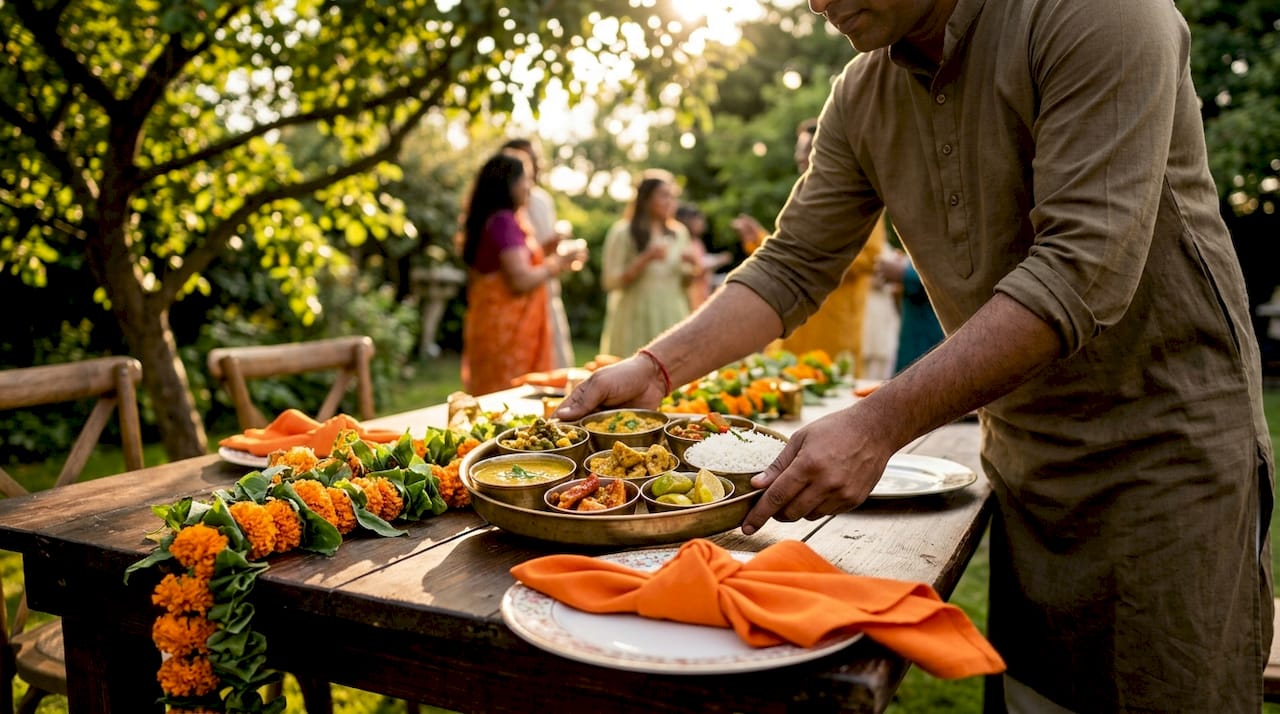
Banana leaves are perhaps the most visually striking of all. In South Indian cuisine, a fresh banana leaf acts as a natural plate, and well-crafted table settings with dedicated spice bowls signal culinary confidence and respect for the tradition. The leaf’s deep green colour provides a dramatic backdrop for the vivid oranges and reds of sambar, rasam, and rice. There is also a practical benefit. The leaf imparts a faint, herbaceous flavour that no ceramic plate can replicate.
Modern Indian restaurants now often blend traditional vessels with contemporary serving ware. A clay katori sitting inside a modern slate serving board, or a brass cup beside a minimalist white plate, bridges heritage with current aesthetics without abandoning either.
Pro Tip: If you are using banana leaves for presentation, pour a small amount of warm water over the leaf and wipe it clean just before plating. This brings out the deep green colour and removes any surface dust, making the visual impact far more striking.
Garnishing in Indian cuisine: function over decoration
The role of presentation in Indian food extends deeply into garnishing, and this is where Indian cuisine differs most sharply from many Western plating traditions. Garnishes in Indian food add distinct sensory layers through traditional elements like fresh coriander and fried curry leaves, not merely visual decoration.
Fresh coriander is the most ubiquitous garnish in the Indian kitchen, and it is far from a token gesture. A generous handful scattered over a dal tadka adds a bright, citrus-edged flavour that cuts through the richness of the ghee. It also provides a vivid green contrast against the golden-yellow surface of the dish, which anchors the whole composition visually.
Fried curry leaves do something different. When dropped into hot oil and allowed to crisp up, they develop a nutty, almost smoky aroma that perfumes the entire dish. Scattered on top of a coconut-based curry or a South Indian rice dish, they add both a visual flourish and a flavour layer that cannot be replaced by anything purely decorative.
Other functionally rich garnishes worth understanding:
- A swirl of thick yoghurt or fresh cream on a deep red korma softens the visual intensity and adds a cooling counterpoint on the palate
- Whole spices like a cinnamon stick or a couple of green cardamom pods placed on top signal the flavour profile within the dish
- A few drops of ghee drizzled across the surface of dal creates a golden sheen and reinforces the richness within
- Pomegranate seeds on a chaat add jewel-like colour and a burst of tartness that transforms the eating experience
- Thinly sliced ginger matchsticks over a grilled dish add heat, freshness, and a sharp visual line against a flat surface
The guiding principle here is that garnishes must add meaningful flavour, not just visual appeal. If a garnish does not enhance the dish’s taste or aroma, it has no place on a genuinely authentic Indian plate.
Modern Indian food styling and emotional storytelling
Contemporary Indian food styling sits in genuinely interesting territory. There is real tension between visual perfection for social media and the deeper, relational wisdom of communal family-style meals. Understanding this tension is what separates compelling Indian food photography from content that feels hollow.
The most resonant Indian food presentations draw on what stylists call “live elements.” These are the small, seemingly imperfect details that signal real cooking and genuine sharing.
- A slight spill of dal at the rim of a katori suggests abundance and an active, generous kitchen rather than a sterile food studio
- Torn, irregular roti edges communicate handmade craft in a way that perfectly round bread never can
- A hand entering the frame to offer a dish introduces human warmth and communal intent that reframes the image entirely
- Steam rising from a fresh biryani or a bowl of hot sambar tells the viewer the food is alive, not staged
- Casually placed lime wedges or a small pile of raw onion rings reinforce the street food spirit without requiring any formal arrangement
“Authentic Indian thali styling prioritises emotional connection and authentic props over creating a graphic image. Slight imperfections like torn roti edges and dal spills evoke warmth.” — Jyoti Food Stylist
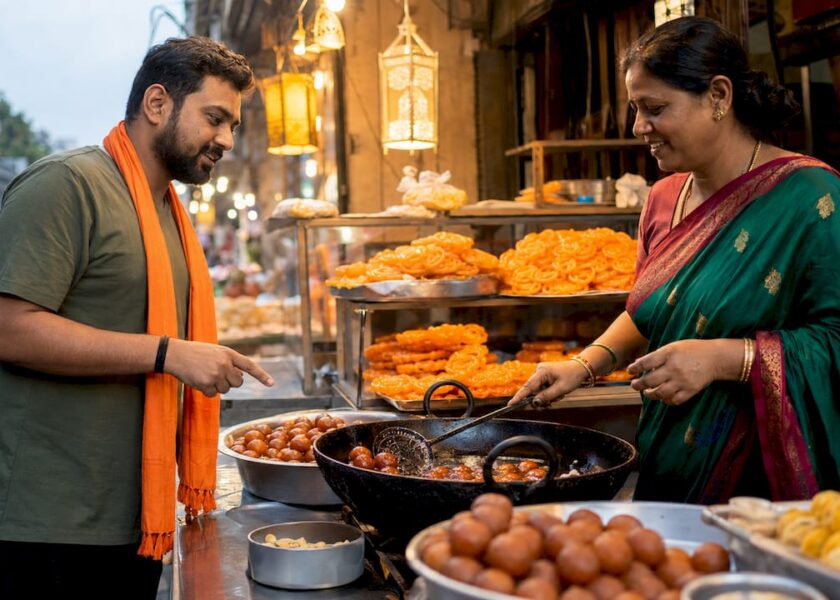
The role of presentation in Indian street food leans fully into this philosophy. At a Mumbai chaat stall or a Delhi pani puri vendor, presentation is fast, tactile, and immediate. The visual appeal comes from action: the vendor scooping sev onto a papdi chaat, the yoghurt being ladled over dahi puri, the green chutney drizzled in a confident arc. For anyone studying how to present Indian dishes, these moments are as instructive as any formal plating class.
Indian cuisine presentation tips you can apply today
Knowing the principles is one thing. Applying them requires specific, practical choices. These Indian cuisine presentation tips work whether you are plating at home, styling for photography, or setting a table for a dinner event.
- Apply the rule of thirds: Rather than centring every element, position the main dish slightly off-centre and use garnishes to fill the remaining visual space. This creates a more dynamic, natural composition than a centred arrangement.
- Build height intentionally: Stack a portion of rice loosely using a round mould, lean a piece of naan against a katori, or layer a chaat in a tall glass to add vertical interest. Height variation stops a flat, unengaging spread.
- Use negative space: Not every centimetre of the plate needs to be filled. Leaving a visible area of the plate or leaf clean draws attention to the food itself and prevents the arrangement from feeling cluttered.
- Warm your plates: Warm plates keep food hot and maintain the appearance of freshly served dishes. A cold plate causes sauces to congeal and oils to solidify at the edges, which visually undermines even the most carefully assembled thali.
- Use separate small bowls for chutneys and sauces: Keeping wet components in their own vessels preserves the visual distinction between elements and prevents colours from bleeding into each other.
- Set the table as part of the presentation: Linen in warm saffron or terracotta tones, small clay diyas or tea lights, and a few fresh marigold petals around the thali frame the meal within an Indian cultural context before the first bite is taken.
Pro Tip: For Indian food plating, always choose the vessel before you plate. Lay the empty vessel in front of you and visualise the colour map. Knowing where each colour will land before you begin prevents awkward last-minute repositioning.
Applying these best practices for Indian food presentation consistently, even in a home kitchen, transforms the act of cooking Indian food into something that honours the cultural depth the cuisine carries.
My perspective: authenticity beats perfection every time
I have watched the conversation around Indian food presentation shift considerably over the past decade. Social media has pushed an increasing number of chefs and stylists towards a very polished, graphic aesthetic. Perfectly circular pools of sauce, microherbs placed with tweezers, rigid symmetry. It photographs well. It rarely feels Indian.
What I have come to believe, watching how real Indian meals land emotionally with people, is that the slightly unruly thali, the one with a small dal spill and a roti that did not come out perfectly round, connects more powerfully with both Indian and non-Indian diners. It signals real cooking, real generosity, and real culture.
The role of presentation in Indian cuisine is ultimately about hospitality, not performance. The best Indian food presentations I have encountered tell you something about the cook, the region, the occasion. They are stories told through colour, vessel, and garnish. When presentation becomes a performance aimed purely at a camera, that story disappears.
My advice to anyone studying this discipline: learn the techniques, absolutely, but resist the urge to iron out all the imperfection. The warmth lives there.
— YellowRock
Experience authentic Indian presentation in Barcelona
If you want to see these principles in action rather than just read about them, Desigallibcn brings the visual energy of Indian street food culture to the heart of Barcelona. Every dish at Desi Galli is presented with the same attention to colour, vessel choice, and garnishing authenticity that defines great Indian food styling.
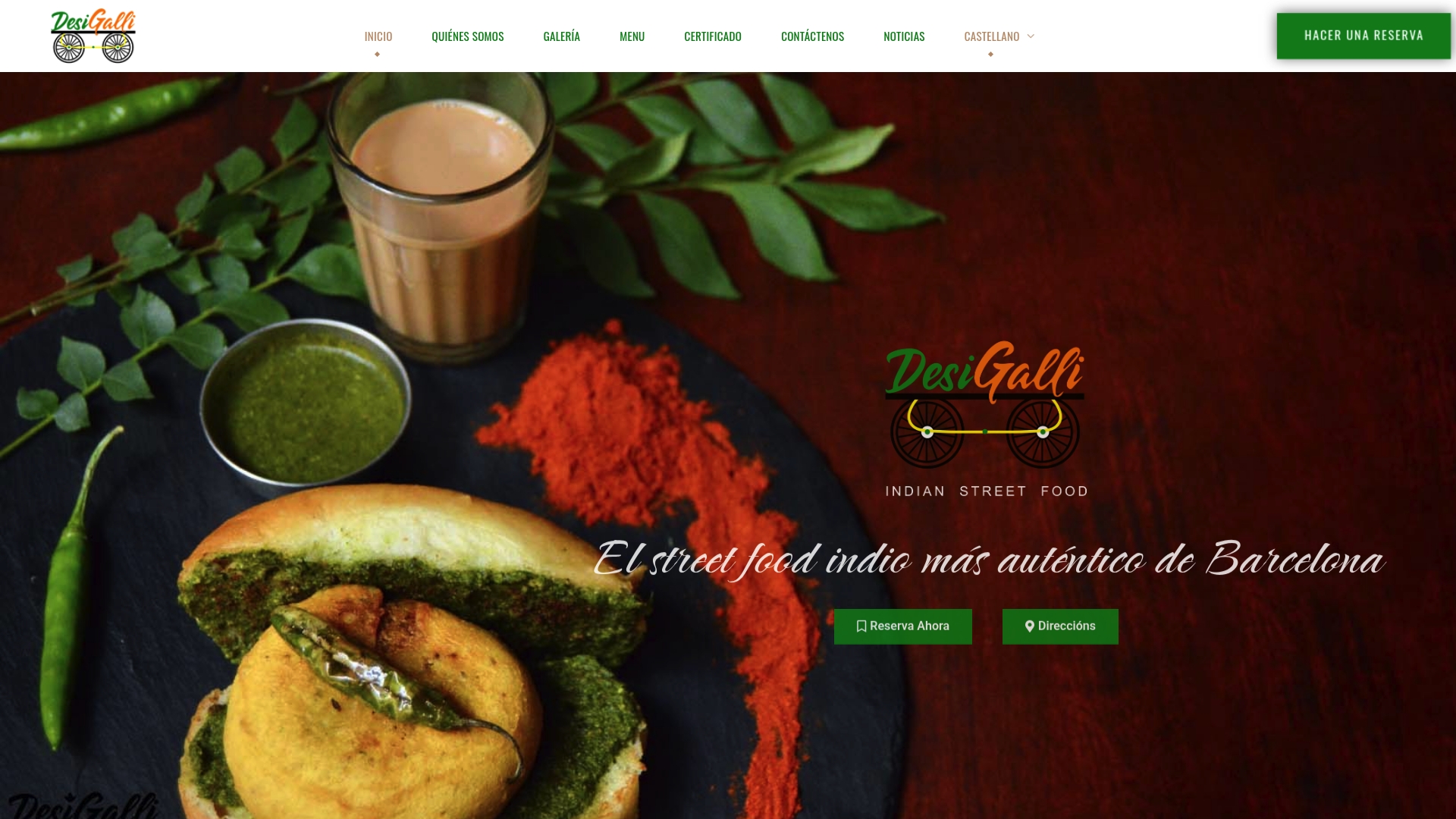
From samosas served with vibrant green and tamarind chutneys in small clay-style bowls, to chaat assembled with layered textures and jewel-bright toppings, the presentation at Desigallibcn reflects the real street food traditions of India rather than a sanitised version of them. Explore the Indian street food culture and rituals that inspire every dish, or browse the full Desi Galli menu to see how traditional Indian plating ideas translate into a Barcelona dining experience. For those planning a group event, the Indian cuisine event guide offers inspiration for bringing these presentation principles to your own table.
FAQ
What does Indian food presentation involve?
Indian food presentation involves the deliberate arrangement of colour, texture, vessels, and garnishes to create visual harmony and cultural meaning across multiple dishes. It prioritises balance and emotional storytelling over strict symmetry.
What is the role of presentation in Indian cuisine?
Presentation in Indian cuisine communicates cultural identity, regional heritage, and hospitality. The choice of vessel, garnish, and layout signals the occasion, the cook’s background, and the diner’s welcome.
Why are brass and banana leaves used in Indian food presentation?
Brass evokes royal heritage and festivity, while banana leaves ground South Indian dishes in regional authenticity and impart a subtle herbaceous flavour. Both choices are emotional and practical, not merely decorative.
How do garnishes work in Indian food presentation?
Garnishes in Indian cuisine serve a functional purpose. Fresh coriander, fried curry leaves, and ghee drizzles add distinct layers of flavour and aroma alongside their visual contribution.
How can a food presentation student apply Indian plating techniques?
Start by applying the rule of thirds and building height variation, then select vessels that match the cultural context of the dish. Use warm plates and small bowls for sauces, and allow small imperfections to remain as signs of authentic preparation.
Recommended
- What is Mumbai street food: a cultural guide – Desi Galli
- Indian street food: Flavours, rituals and where to try in Barcelona – Desi Galli
- Comida del norte y sur de India: 2 cocinas distintas – Desi Galli
- Qué Hace Única la Gastronomía India: Secretos y Tradición – Desi Galli