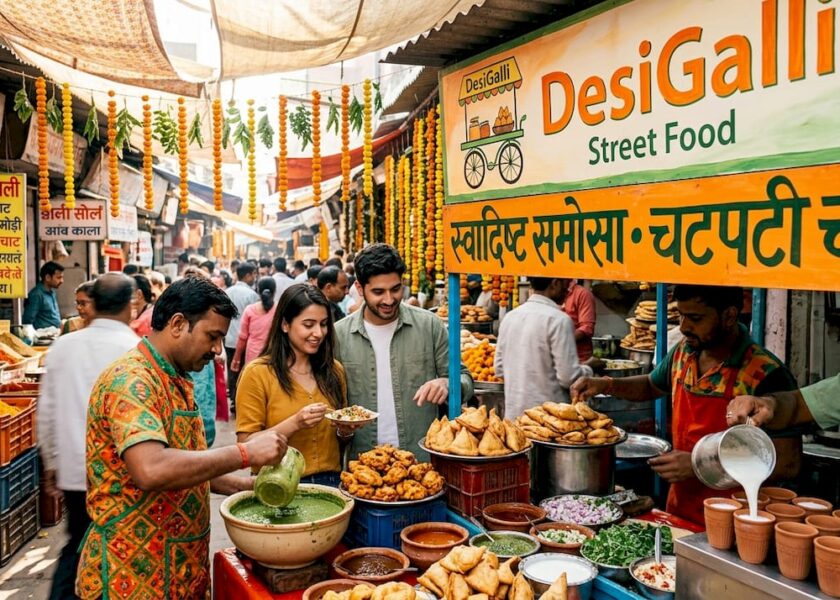

Masala is defined as a deliberate mixture of spices or aromatics, originating from the Hindi word meaning “mixed spices”, and it forms the flavour backbone of Indian cuisine. It is not a single spice. It is a purposeful blend, built to layer heat, aroma, and depth into a dish simultaneously. Masala blends range from simple two or three spice combinations to complex mixes of over a dozen ingredients, appearing as dry powders, wet pastes, or whole spice combinations. Understanding masala means understanding why Indian food tastes the way it does: balanced, vivid, and impossible to reduce to one note.
What is masala and what forms does it take?
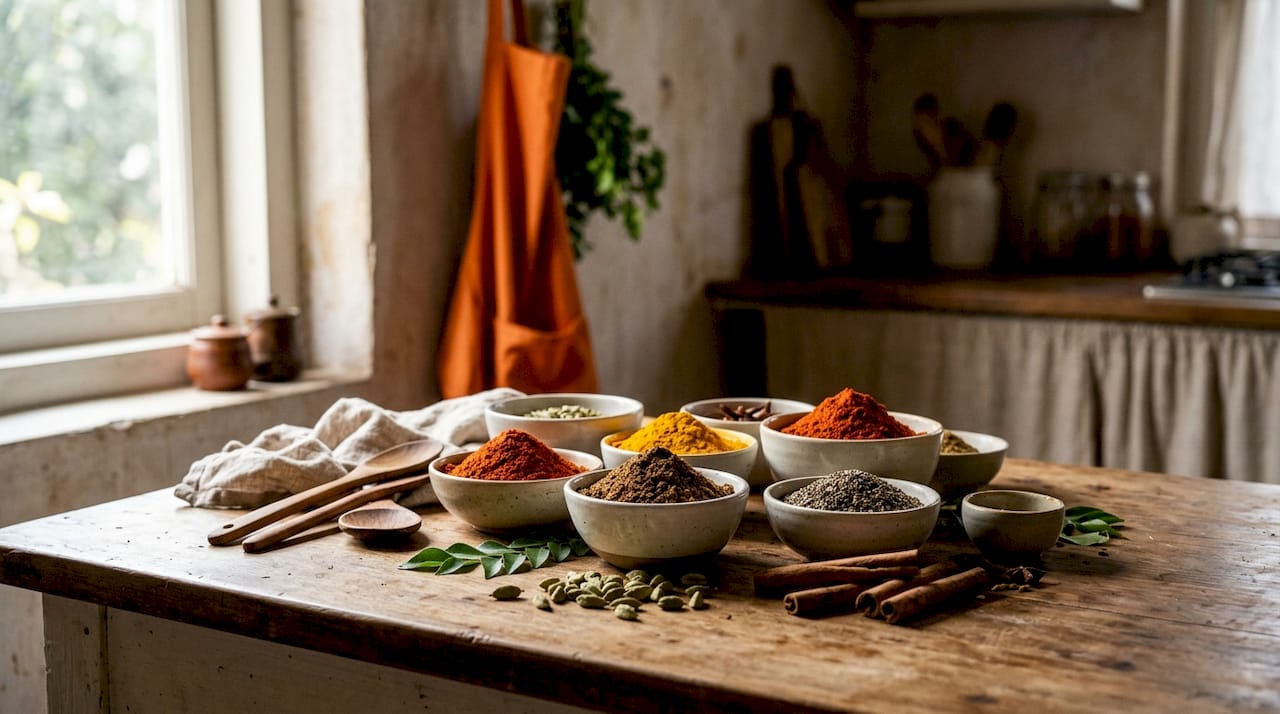
Masala exists in two primary forms: dry powders and wet pastes. Each serves a different purpose in the kitchen, and knowing which to reach for changes the outcome of a dish entirely.
Dry masala powders are ground blends of roasted or raw spices. They season dishes at various stages of cooking, finish gravies, or coat ingredients before grilling. Garam masala, chaat masala, and tandoori masala are all dry blends. Wet masalas, by contrast, form the flavour base of curries. They typically combine fresh ginger, garlic, and onions with ground spices, creating a paste that is cooked down in oil to build the sauce’s foundation.
| Feature | Dry masala | Wet masala |
|---|---|---|
| Form | Ground powder | Paste or purée |
| Key ingredients | Roasted spices, seeds, dried chillies | Fresh ginger, garlic, onion, ground spices |
| Role in cooking | Seasoning, finishing, coating | Flavour base, sauce building |
| Common examples | Garam masala, chaat masala | Tikka paste, korma base |
| Best used for | Snacks, dry dishes, garnishing | Curries, gravies, braises |
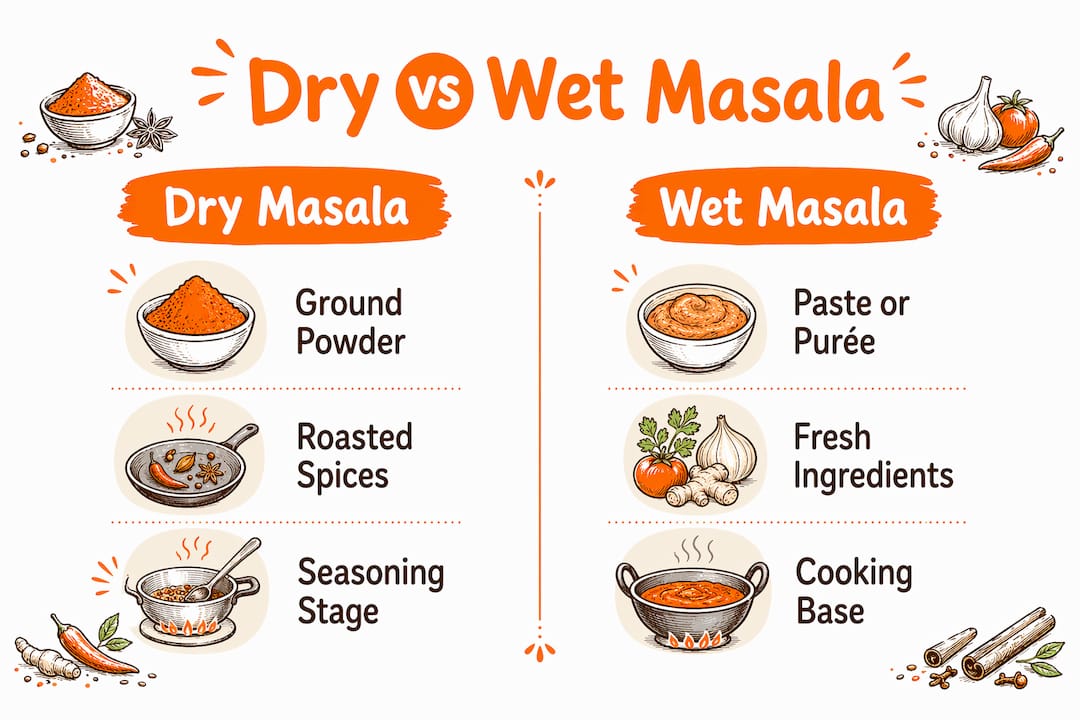
Whole spice blends represent a third approach. Cooks combine whole cumin seeds, cardamom pods, cloves, and cinnamon sticks, then temper them in hot oil before adding other ingredients. This technique, called a tarka or tadka, releases the spices’ aromatic oils directly into the cooking fat, infusing the entire dish from the very first step.
Pro Tip: Store dry masala powders in airtight glass jars away from direct light. Ground spices lose their potency within three to six months, so small, frequent batches outperform bulk buying every time.
How to use masala effectively in cooking
Masala is a philosophy of flavour harmony, not simply a list of ingredients thrown together. The sequence in which you add spices matters as much as the spices themselves.
The most important technique is blooming. Heating whole or ground spices in oil for one to two minutes releases their aromatic oils and transforms raw, dusty flavours into something rounded and alive. Without this step, spices taste flat. Blooming works best with whole spices first, followed by ground spices once the oil is fragrant.
Timing is equally critical. Garam masala added late in cooking preserves its fragrance. Adding it too early burns off the delicate top notes that make it distinctive. Chaat masala, by contrast, is almost always added after cooking, sprinkled directly onto finished dishes for a sharp, tangy lift.
Chicken tikka masala illustrates the two stage approach well. The chicken marinates in a spiced yoghurt blend for anywhere from 20 minutes to several hours. It then simmers in a spice seasoned gravy for roughly 30 minutes, allowing the masala to meld with the sauce and develop full depth.
Do’s and don’ts for using masala:
- Do bloom whole spices in oil before adding wet ingredients
- Do add garam masala in the final two minutes of cooking
- Do taste as you go and adjust salt before adding more spice
- Do use wet masala pastes to build the base of curries and gravies
- Don’t add ground spices to a dry, overheated pan without oil or liquid
- Don’t rush the cooking of a wet masala base; it needs time to lose its raw smell
- Don’t assume more masala means more flavour; balance matters more than quantity
Pro Tip: If your masala starts to stick and darken too quickly, add a splash of water rather than more oil. This drops the temperature instantly and prevents bitterness without diluting the flavour.
What are the common masala blends and their flavour profiles?
Knowing the function of each blend is the fastest way to cook authentic Indian food with confidence. Each masala has a distinct personality shaped by its ingredients and intended role.
The four blends every food enthusiast should know are garam masala, chaat masala, tandoori masala, and chai masala. They cover the full spectrum from warming and savoury to tangy and aromatic.
| Masala blend | Key spices | Flavour profile | Best used for |
|---|---|---|---|
| Garam masala | Cardamom, cloves, cinnamon, black pepper, cumin | Warm, aromatic, slightly sweet | Gravies, lentils, finishing dishes |
| Chaat masala | Amchur (dried mango), cumin, black salt, coriander | Tangy, sour, salty | Street snacks, salads, fruit chaat |
| Tandoori masala | Paprika, cumin, coriander, ginger, garlic | Smoky, earthy, mildly spiced | Marinades for grilled meats and vegetables |
| Chai masala | Ginger, cardamom, cinnamon, cloves, black pepper | Spiced, warming, fragrant | Masala chai, spiced desserts |
Regional and familial variation runs deep within every one of these blends. A Punjabi household’s garam masala will differ from a Bengali or Keralan version, sometimes dramatically. Masala balances heat, acidity, and warmth in proportions that reflect local climate, available ingredients, and generations of taste memory. This is precisely why commercial curry powder, a Western simplification, cannot replicate what a regional masala achieves. Curry powder flattens; masala builds.
The role of spices in Indian street snacks shows this most clearly. Chaat masala, for instance, transforms a bowl of boiled chickpeas into something electric. The amchur provides acidity, the black salt adds a sulphurous depth, and the cumin grounds the whole thing. No single spice does that alone.
How has masala influenced Indian culture beyond cooking?
Masala extends well beyond the kitchen. In Indian culture, masala functions as a metaphor for the blending of diverse elements into a satisfying whole. The concept mirrors the spice blending philosophy: no single ingredient dominates, and the result is richer than any part alone.
The clearest example is the “masala film.” This genre of Indian cinema deliberately combines action, comedy, romance, and tragedy within a single narrative. The term is used approvingly. A masala film delivers everything at once, much like a well made curry delivers heat, sweetness, sourness, and aroma in every mouthful.
“Masala is India’s oldest philosophy of balance, expressed through food, film, and daily life. It is the art of making opposites work together.”
The word appears in fashion, in language, and in everyday conversation across South Asia. Calling something “masala” implies richness, variety, and a certain irreducible complexity. For food enthusiasts exploring Indian culinary culture, recognising this wider meaning adds a layer of appreciation that goes far beyond the spice rack.
Spice blending is also a form of familial heritage. Recipes pass from grandmothers to grandchildren, rarely written down, adjusted by feel and memory. This oral tradition means that masala carries emotional weight alongside culinary function.
How can beginners start experimenting with masala at home?
Starting with pre-blended masalas is the most practical approach for anyone new to Indian spices. Whole spice roasting requires experience to avoid bitterness, and jumping straight to grinding your own blends can produce unbalanced results.
A sensible starting sequence looks like this:
- Buy two or three quality pre-blended masalas. Garam masala and chaat masala cover the widest range of dishes and teach you the most about flavour contrast.
- Smell each blend before cooking. Sniff the jar, then sniff again after blooming in oil. The transformation is dramatic and teaches you what heat does to spice.
- Start with small quantities. Add half a teaspoon, taste, then decide whether to add more. You can always increase; you cannot remove.
- Match the masala to the dish type. Use wet masala pastes for curries and gravies. Use dry blends for marinades, snacks, and finishing.
- Source from specialist shops or reputable online suppliers. Supermarket own-brand masalas are often stale. Freshness makes a measurable difference to aroma and flavour.
- Keep a notebook. Record what you used, how much, and what you would change. Masala mastery is iterative, not instinctive.
The Indian spices guide for home cooks is a useful companion at this stage. It lists individual spices with their flavour roles, which helps you understand why a blend works before you start adjusting it. Once you can identify cumin’s earthiness, cardamom’s floral lift, and coriander’s citrus note separately, blending them yourself becomes far less daunting.
For those wanting to go further, beginner tips for authentic Indian flavours cover the practical side of building confidence in the kitchen with spices.
Key takeaways
Masala is a deliberate spice blend, not a single ingredient, and its forms, timing, and regional variation are what make Indian cuisine one of the world’s most complex flavour traditions.
| Point | Details |
|---|---|
| Masala is a blend, not a spice | It combines multiple spices as a dry powder, wet paste, or whole spice mix. |
| Form determines function | Wet masalas build curry bases; dry masalas season, finish, and coat. |
| Timing changes the result | Add garam masala late to preserve aroma; bloom whole spices first in oil. |
| Regional variation is the rule | No universal masala recipe exists; blends differ by region, family, and dish. |
| Beginners should start pre-blended | Pre-made masalas teach flavour profiles before whole spice roasting is attempted. |
Masala as a mirror: what years of eating Indian food taught me
The most common mistake food enthusiasts make with masala is treating it like a seasoning rather than a structure. Salt seasons. Masala builds. That distinction changes how you cook entirely.
I have watched people add garam masala at the start of a dish and wonder why the result tastes muddy. The fragrant top notes of cardamom and clove burn off in the first two minutes. What remains is bitter and flat. Masala demands patience and sequence, not just quantity.
The other misconception worth addressing is that more spice equals more flavour. The best masala dishes I have eaten were restrained. A Keralan fish curry with four spices, perfectly balanced, outperforms a 15 spice blend thrown together without thought. Harmony is the goal, not intensity.
Regional recipes are where real learning happens. A family recipe from Rajasthan will teach you more about dry masala technique than any cookbook, because it was built for a specific climate, a specific pantry, and a specific palate. Seek those recipes out. They carry knowledge that no commercial blend can replicate.
Masala is ultimately a practice. You get better by cooking, tasting, adjusting, and cooking again. The science is in the ratios; the intuition comes with repetition.
— YellowRock
Authentic masala flavours at Desigallibcn in Barcelona
Desigallibcn brings the full depth of Indian masala tradition to the streets of Barcelona. Every dish on the menu reflects the same philosophy that defines great Indian cooking: balance, sequence, and the right blend at the right moment.
From chaat dusted with tangy masala to rich, slow-cooked curries built on wet spice bases, Desigallibcn uses authentic spice blends sourced with care. The Indian street food experience in Barcelona at Desigallibcn is the most direct way to taste what masala actually does when it is handled well. Whether you are new to Indian cuisine or already familiar with its flavours, the menu offers a genuine introduction to the spice traditions covered in this article. Explore the Indian food classics and taste masala as it was meant to be experienced.
FAQ
What does masala mean in Hindi?
Masala is a Hindi word meaning “mixed spices” or “spice mixture.” It refers to any blend of spices used in Indian cooking, either as a dry powder or a wet paste.
Is masala the same as curry powder?
Masala and curry powder are not the same. Curry powder is a Western simplification of Indian spice blending, while masala is a culturally specific, highly variable blend that balances heat, acidity, and warmth in ways commercial curry powder does not replicate.
What spices are in garam masala?
Garam masala typically contains cardamom, cloves, cinnamon, black pepper, and cumin. The exact blend varies by region and family recipe, but the overall profile is warm, aromatic, and slightly sweet.
When should you add masala to a dish?
Whole spices and wet masala pastes go in at the start of cooking to build the flavour base. Dry finishing blends like garam masala are added in the final one to two minutes to preserve their aroma.
Can beginners make their own masala blends?
Beginners are better served starting with quality pre-blended masalas before attempting to grind their own. Whole spice roasting requires experience to avoid bitterness, and pre-blended mixes teach flavour profiles more reliably at the outset.
Recommended
- Essential Indian food tips for beginners: master authentic flavours – Desi Galli
- Indian spices list 2026: a home cook’s guide – Desi Galli
- Your complete guide to indian curries by region – Desi Galli
- The role of spices in street snacks explained – Desi Galli