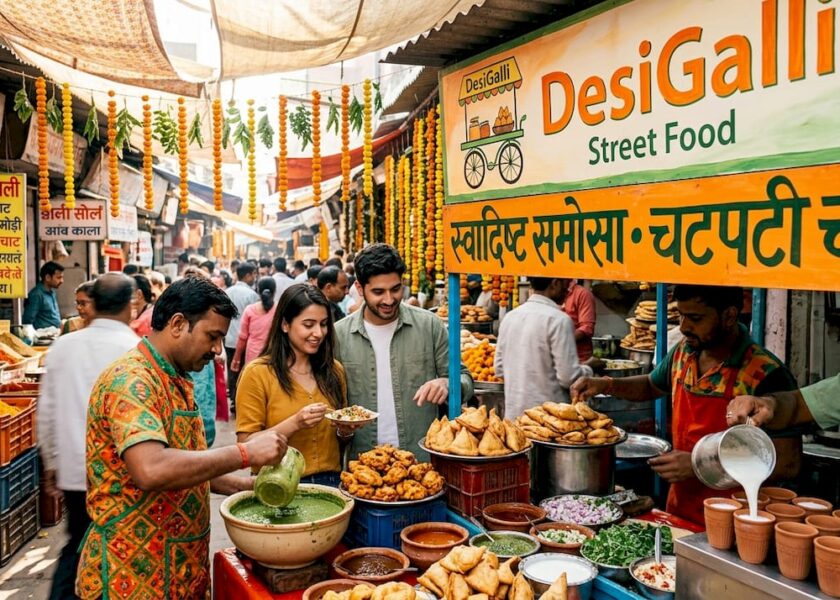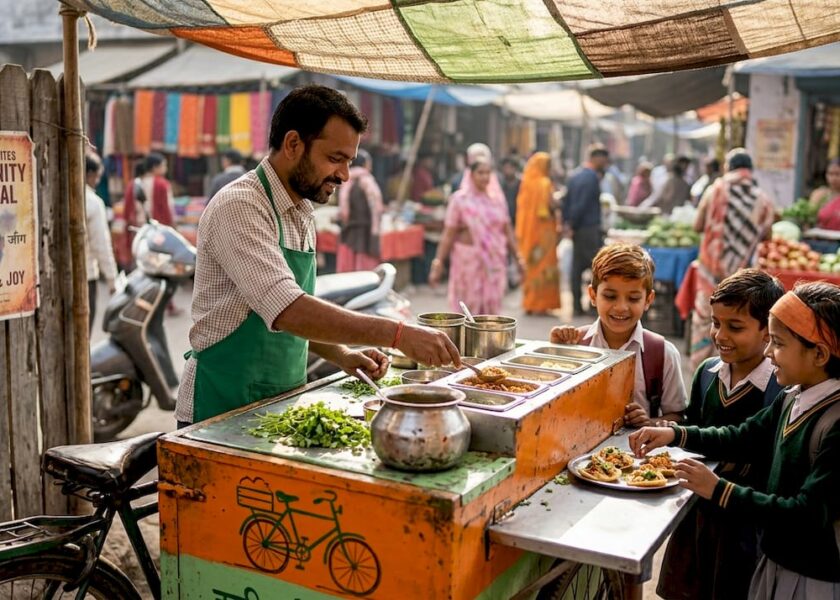

Few street foods spark as much passion, argument, and outright devotion as pani puri. This tiny, crispy globe is filled with spiced potato, chickpea, onion, chutney, and tangy spiced water, then consumed in a single, glorious bite. Simple enough in description, yet fiercely contested across every state in India. People travel hours for a specific vendor’s version. Families disagree at dinner tables about which city makes it best. And first-time visitors are left wide-eyed, wondering how something so small can carry so much flavour, history, and cultural identity.
Table of Contents
- What is pani puri: the anatomy of a sensation
- Regional names and variations: a pan-Indian phenomenon
- A centuries-old legacy: origins and the social ritual
- Making and eating pani puri: tips, twists and pitfalls
- Our perspective: why chasing “authentic” pani puri may hold you back
- Experience Indian street food in Barcelona
- Frequently asked questions
Key Takeaways
| Point | Details |
|---|---|
| Burst of flavours | Pani puri combines crisp puris, spiced fillings and tangy water for a unique sensory snack. |
| Diverse regional styles | Each region of India puts its own spin on this snack, from fillings to the water’s spice or sweetness. |
| Enjoy safely | Seek out fresh ingredients, good hygiene and strong local recommendations whether at home or on the street. |
| Rich cultural heritage | With roots over two millennia old, pani puri is both a culinary and social ritual across India. |
What is pani puri: the anatomy of a sensation
To fully appreciate pani puri, you need to understand what you are actually eating. At its most fundamental level, pani puri consists of hollow, crispy shells filled with spiced potatoes, chickpeas, or black gram, combined with sharp onions, tamarind chutney, and finished with a generous pour of cold, spiced water known as pani.
The word “puri” refers to the thin, deep-fried dough shell, and “pani” simply means water in Hindi. So you are essentially eating a water-filled crispy pocket. The magic is in how those elements combine the moment the shell enters your mouth. The puri shatters. The filling rushes forward. The cold, sharp pani floods everything at once. It is chaotic, sensory, and completely addictive.
The essential components of pani puri:
- The puri shell: Made from semolina or wholewheat flour, rolled thin and deep-fried until it puffs into a hollow sphere. A good puri is paper-thin with a satisfying crunch.
- The filling: Typically mashed boiled potato with chickpeas or sprouted lentils, seasoned with cumin, chilli, and chaat masala. Onion is often added for sharpness.
- The pani: The soul of the dish. A blended water of mint, coriander, ginger, green chilli, tamarind, black salt, and cumin. Some versions are fiery, others sweet-sour, and some are deeply tangy.
- The chutneys: A sweet tamarind and date chutney adds richness and contrast to the pani.
| Component | Main ingredient | Flavour profile |
|---|---|---|
| Puri shell | Semolina or wholewheat | Neutral, crunchy |
| Filling | Potato, chickpea, lentil | Earthy, spiced |
| Pani | Mint, tamarind, chilli, cumin | Tangy, cooling, hot |
| Chutney | Tamarind, date, jaggery | Sweet, sour |
The ritual of eating pani puri is just as important as the food itself. You stand at the vendor’s cart. The vendor punctures a puri with their thumb, loads it with filling, dunks it into the pani, and hands it straight to you. You eat it immediately. There is no waiting, no cutlery, no half-measures. The one-bite rule is not optional. If you let the pani soak the shell for more than a few seconds, the puri goes soft and the entire textural experience collapses.
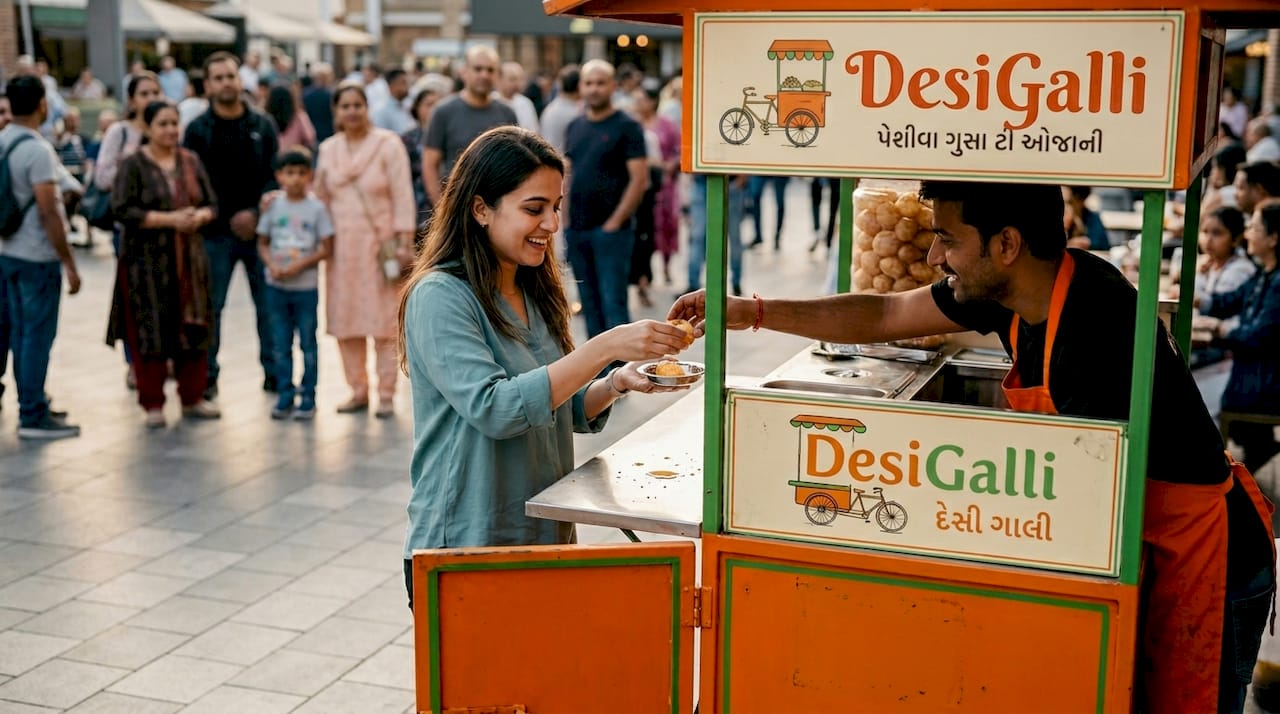
The popularity of Indian street food like pani puri lies precisely in this combination of immediacy, flavour intensity, and the social ritual that surrounds it. A good vendor can produce thirty puris per batch, and queues form fast during peak hours.
Regional names and variations: a pan-Indian phenomenon
Here is where pani puri becomes genuinely fascinating, and also where the arguments start. The same basic concept appears across India under very different names, with surprisingly different ingredients and personalities.
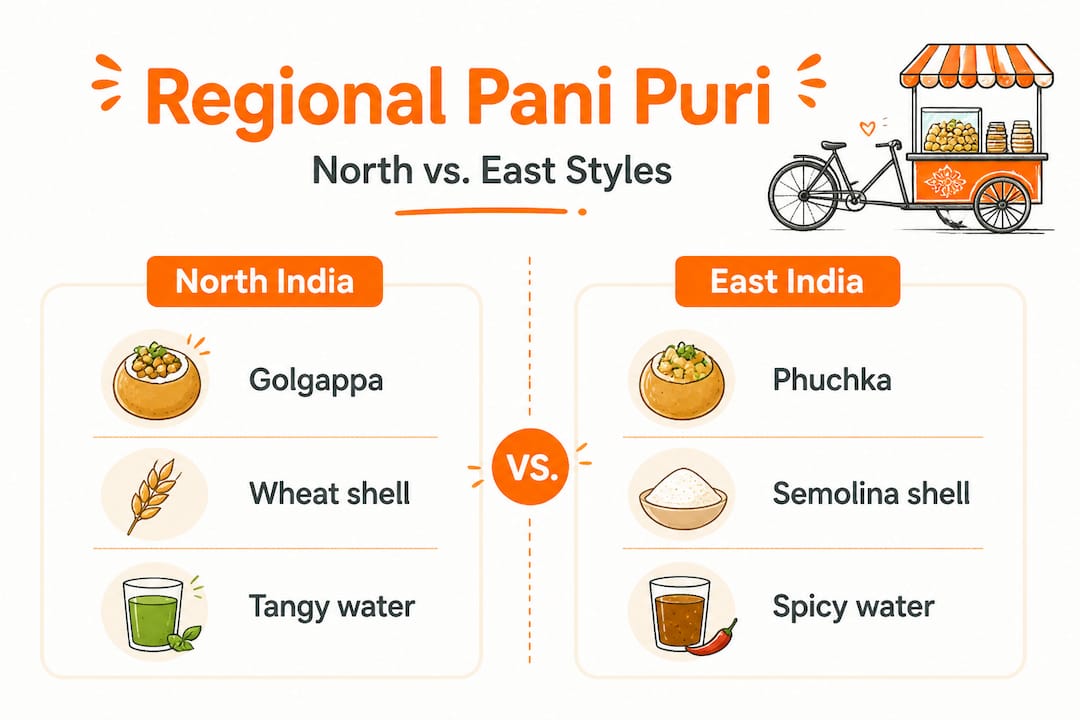
“India’s favourite street snack is known by regional names such as Golgappa, Phuchka, and Gupchup, with variations in fillings, puri style, and flavoured water that reflect deep local identity.”
Regional breakdown:
| Region | Name | Puri style | Pani flavour | Filling distinction |
|---|---|---|---|---|
| Mumbai, Maharashtra | Pani Puri | Semolina, thin and crispy | Tangy mint-coriander, slightly sweet | Potato, chickpea mix |
| Delhi, North India | Golgappa | Semolina, larger and crunchier | Fiery, very sharp and sour | Boiled potato, boondi |
| Kolkata, West Bengal | Phuchka | Wholewheat, earthy, smaller | Tamarind water, very sour | Spiced potato with mustard, often no mint |
| Odisha, Jharkhand | Gupchup | Thinner, very light puri | Watery, mild and tangy | Simpler spiced potato |
| Bihar | Phulki | Softer puri | Mild, tamarind-forward | Potato and gram filling |
The differences matter more than you might expect. Kolkata phuchka is considered by many Bengalis to be the only real version, owing to its sharp, fermented tamarind water and the use of wholewheat rather than semolina puris. Delhi golgappa lovers argue that the larger, crunchier shell and the ultra-spiced pani are unmatched. Mumbai pani puri devotees point to balance and sweetness.
The range of Indian street food dishes across the subcontinent mirrors this regional diversity beautifully. Every city shapes its snacks around local produce, spice preferences, and culinary traditions.
Pro Tip: When travelling across India, ask specifically for the local name of the snack rather than “pani puri.” A vendor in Kolkata will be delighted that you asked for phuchka, and you are far more likely to get the genuine local style rather than a tourist approximation.
Understanding street food rituals in their regional context makes the difference between eating food and genuinely experiencing it.
A centuries-old legacy: origins and the social ritual
Pani puri is not a modern invention. Its story reaches back an extraordinary distance, and understanding that history transforms how you taste it.
How the legend began:
- The most celebrated origin story connects pani puri to the Mahabharata. According to legend, origins traced to Magadha, Bihar, over 2,000 years ago, with Draupadi reportedly creating the dish as a test of resourcefulness, using limited ingredients to produce a satisfying meal for the five Pandava brothers.
- From this origin in Bihar’s Magadha region, the snack spread steadily across the subcontinent, evolving into the “phulki,” a simpler puffed wheat ball eaten with spiced water.
- Over centuries, the phulki evolved into the refined pani puri we recognise today, with semolina shells, complex chutneys, and the elaborate pani blends.
- Colonialism and urbanisation accelerated its spread, as migrant workers and traders carried their regional recipes across India, creating hybrids and new local styles.
“Street food carries the memory of migration. Every regional variant of pani puri is a record of how people moved, adapted, and made something new without ever losing the soul of the original.”
Beyond its mythological origins, pani puri became deeply embedded in everyday social life. It is eaten at festivals, after school, as a post-dinner digestive, and during Diwali celebrations. The spiced water, rich in cumin and ginger, genuinely aids digestion and cools the body, which explains why it became a staple in hot climates.
The broader benefits of Indian street food connect directly to this long history of using bold spices for both pleasure and wellness. Tamarind is rich in antioxidants. Mint supports digestion. Black salt contains minerals absent from ordinary table salt. The snack is not merely delicious; it was built around ingredients that served a practical purpose.
The modern street ritual is equally fascinating. Vendors in Indian cities serve pani puri with remarkable speed and social choreography. Customers gather round the cart, plates of empty puris are distributed, and the vendor fills and passes individual pieces in rapid sequence. There is an unspoken competition to keep pace. Eat slowly and you lose your rhythm. Eat fast and the flavours become even more intense.
Making and eating pani puri: tips, twists and pitfalls
Whether you want to try making it at home or simply eat it well at a stall, knowing the process helps you judge quality and maximise enjoyment.
A clear preparation process:
- Prepare the puri dough: Combine fine semolina with a small amount of plain flour, salt, and water. Knead to a firm dough, then rest it for thirty minutes.
- Roll and fry: Roll thin, cut into small circles, and deep-fry in hot oil. Watch them puff up. Remove quickly and drain. Correct technique produces a hollow, crisp shell every time.
- Make the filling: Boil potatoes and mash roughly with chickpeas, cumin, coriander, chilli powder, and chaat masala. Season generously.
- Prepare the pani: Blend fresh mint, coriander, ginger, green chillies, and tamarind paste with water and black salt. Strain and chill. A good pani should taste sharp, cold, and layered.
- Assemble and serve immediately: Serve filled puris instantly for maximum crunch. Any delay ruins the texture irreparably.
What to look for in a good street vendor:
- Fresh pani made on the day, stored in a covered container
- Clean hands or gloves used for filling
- Fast turnover at the cart, meaning nothing sits around
- Bright green, fragrant pani with visible mint and coriander
- Puris stored in an airtight container to preserve crispness
Pro Tip: Ask to taste the pani before committing to a full plate. A good vendor will gladly offer a small cup. If the pani tastes flat, watery, or over-salted, the overall experience will be disappointing.
Hygiene is not a minor concern here. Street food contamination risks are well-documented, with unclean water in pani identified as a source of serious illness. India’s FSSAI (Food Safety and Standards Authority of India) runs Project Clean Street Food specifically to address vendor hygiene. Choose stalls where the vendor uses clean implements, covers the pani, and maintains a tidy preparation area.
Creative variants are also worth exploring. Some vendors offer a sweeter “meetha pani” alongside the standard spiced water. Others fill puris with dahi (yoghurt) instead of pani, creating the related dish dahi puri. For thoughtful street food pairing ideas, pani puri sits perfectly alongside chaat items like bhel puri or sev puri as part of a larger grazing spread.
Our perspective: why chasing “authentic” pani puri may hold you back
Here is a perspective that surprises many food lovers: the obsession with finding the “authentic” pani puri may actually reduce your enjoyment rather than enhance it.
Every region believes its version is correct. Delhi insists golgappa is superior. Kolkata considers phuchka untouchable. Mumbai devotees defend their tangy-sweet pani with fierce loyalty. If you arrive at any of these cities demanding the “real” pani puri, you will confuse vendors, irritate locals, and miss the point entirely.
The truth is that regional authenticity is about social context as much as it is about ingredients. The real pani puri experience is about standing at a cart, being handed a puri before you are ready, eating fast, laughing, and asking for more. The social act is the snack.
We have seen travellers refuse versions that do not match a recipe they read online, only to miss some of the most memorable bites of their journey. Emerging street food trends in Barcelona reflect this evolution too, with restaurants and vendors interpreting Indian street food through local context while keeping the essential spirit alive.
Regional innovation keeps pani puri relevant. New fillings, fusion pani flavours, and even flavoured-water tasting menus at upscale Indian restaurants show that the snack is still evolving. Embracing that evolution, rather than resisting it, is what turns a food enthusiast into a genuine explorer.
Always prioritise hygiene. But beyond that, stay open, stay curious, and taste every version without prejudice. You will find that each regional style teaches you something different about the culture that created it.
Experience Indian street food in Barcelona
Now that you understand the depth, history, and sensory excitement of pani puri, the obvious next step is tasting it for yourself. Knowing what to look for in a well-made puri, a properly balanced pani, and a thoughtfully spiced filling makes the experience infinitely richer.
At Desi Galli, Barcelona’s authentic Indian street food restaurant, you can put that knowledge straight into practice. Our menu brings the bold, vivid flavours of Indian street markets directly into the heart of the city, from pani puri to chaat, samosas, and beyond. If you want to understand what makes street food flavours and rituals so compelling before you visit, or if you simply want to explore the full range of classic Indian street food plates, we have everything you need in one place. Come hungry and ready to discover something genuinely extraordinary.
Frequently asked questions
What makes pani puri different from golgappa or phuchka?
They are essentially the same snack under different names, but regional variations in fillings and pani mean each city’s version has a distinct flavour personality.
Is pani puri safe to eat from street vendors?
It is delicious but carries hygiene risks; documented contamination cases highlight the importance of choosing vendors who use clean water, covered containers, and gloves.
Can I make pani puri at home easily?
Yes, and home preparation gives you full control over freshness, spice level, and hygiene, making it a particularly rewarding option for first-timers.
What are the common fillings for pani puri?
Potato, black chickpea, and onion form the most common filling base, with regional styles adding different legumes, sprouts, or extra spices.
Why is pani puri eaten in one bite?
The one-bite rule exists because eating it whole creates an instant collision of crunchy shell, spiced filling, and cold pani, which is the defining sensory pleasure of the dish.
Recommended
- Indian flavours: Authentic tastes and culinary secrets – Desi Galli
- Indian street food: Flavours, rituals and where to try in Barcelona – Desi Galli
- Essential Indian food tips for beginners: master authentic flavours – Desi Galli
- Tasty Indian Street Foods For You – Desi Galli
- Cuisine ouverte : vivez la convivialité et les saveurs