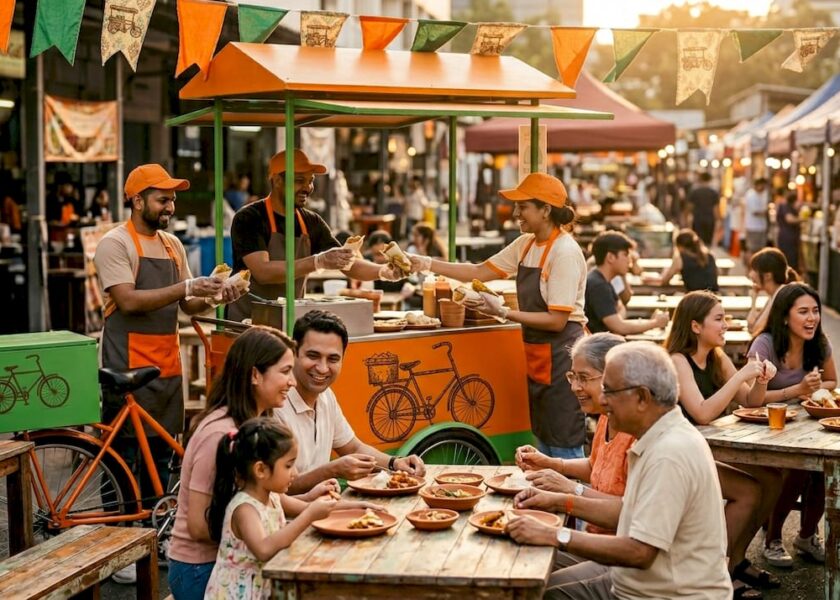
Gluten-free Indian street food refers to traditional and adapted dishes made without wheat, barley, rye, or any gluten-containing derivatives, relying instead on naturally gluten-free bases such as rice, lentils, millet, and chickpea flour (known as besan). Many of India’s most beloved street snacks fall into this category by default, not by design. Dishes like idly, dosa, chana chaat, and sambar have been gluten-free for centuries, long before the term entered food culture. That said, preparation risks and hidden gluten in spice blends mean that knowing which dishes are safe, and how they are cooked, is the real skill for anyone navigating this cuisine with dietary needs.
Which Indian street foods are naturally gluten free?
Naturally gluten-free Indian street food is far more common than most people expect. The Indian culinary tradition leans heavily on pulses, rice, and ground legumes, all of which contain no gluten. Idly, dosa, and lentil curries are among the most widely available gluten-free street snacks, made from fermented rice and lentil batters that have never contained wheat.
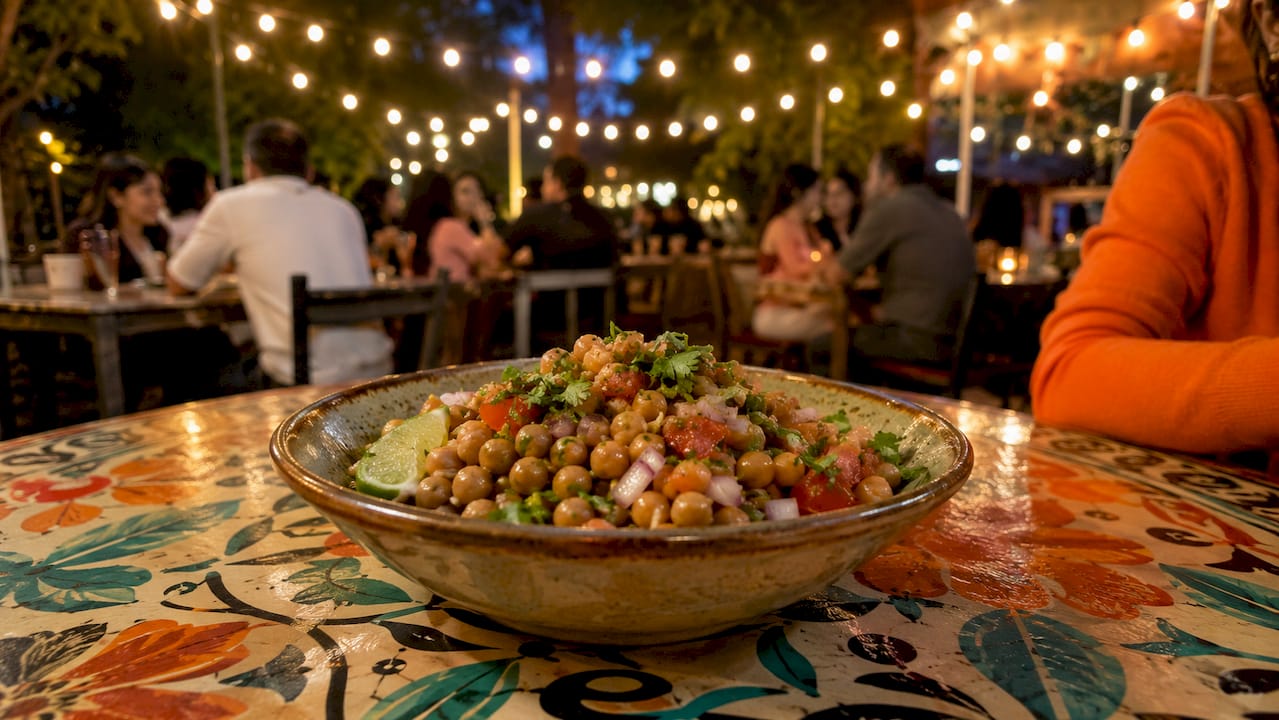
Chana chaat, a spiced chickpea salad sold at street stalls across India, is another strong example. It is built on boiled chickpeas, tamarind water, raw onion, and fresh coriander. No wheat enters the dish at any stage. Sambar, the lentil-based vegetable stew served alongside idly and dosa, is equally safe when made from scratch with whole spices.
Bhakri, a flatbread made from jowar (sorghum) or bajra (pearl millet), is a popular gluten-free street snack in Maharashtra and Gujarat. It is a direct contrast to wheat-based breads like naan, roti, paratha, and puri, all of which contain gluten and must be avoided entirely. The distinction between grain-based flatbreads is the single most important thing to understand when ordering.
| Street food | Main base | Gluten free? |
|---|---|---|
| Idly | Rice and lentil batter | Yes |
| Dosa | Rice and lentil batter | Yes |
| Chana chaat | Chickpeas, spices | Yes |
| Sambar | Lentils, vegetables | Yes |
| Bhakri | Jowar or bajra flour | Yes |
| Naan | Wheat flour (maida) | No |
| Paratha | Wheat flour | No |
| Puri | Wheat flour | No |
| Samosa (standard) | Wheat pastry shell | No |
Pro Tip: When ordering chaat, ask specifically whether sev (fried chickpea noodles) or papdi (wheat crisps) have been added. Both are common toppings, but only sev made from besan is gluten free.
The best gluten-free Indian dishes share a common thread: they are built on whole, minimally processed ingredients. Lentils, chickpeas, rice, and fresh spices carry the flavour without any need for wheat. This is why Indian street food has so much to offer anyone eating without gluten.
How do cross-contamination risks affect gluten-free status?
A dish can be gluten-free by recipe and still unsafe by preparation. Shared frying oil is the most common source of cross-contamination in Indian street food kitchens. If a vendor fries wheat-based samosas and then fries besan pakoras in the same oil, the pakoras are no longer safe for someone with coeliac disease.
The risks extend beyond the fryer. Hidden gluten in masalas, chutneys, and processed thickeners is a genuine concern. Many commercial spice blends use wheat flour as an anti-caking agent. Store-bought chutneys, particularly those with a thick, glossy consistency, often contain modified starch derived from wheat. Fresh, homemade chutneys made from tamarind, mint, or coconut are far safer choices.
The key risks to watch for include:
- Shared frying oil used for both wheat and non-wheat items
- Spice blends and masala powders containing wheat-based fillers
- Commercial chutneys and sauces thickened with wheat starch
- Shared tongs, ladles, or chopping boards used across multiple dishes
- Atta (wheat flour) dusted on cooking surfaces before flatbread preparation
Pro Tip: When ordering at a street stall or restaurant, say clearly: “I cannot eat wheat or any flour made from wheat.” In India, the word “maida” refers to refined wheat flour, so using that term alongside “gehun” (the Hindi word for wheat) helps vendors understand exactly what to avoid.
Choosing simple, minimally processed dishes reduces exposure significantly. A bowl of freshly cooked dal with plain rice carries far less risk than a composite chaat assembled from multiple pre-prepared components. Dedicated fryers are the gold standard for safe preparation, and it is entirely reasonable to ask a vendor or restaurant whether they use one.
What are the best gluten-free alternatives in Indian street food?
The most exciting development in gluten-free Indian street food is not substitution. It is reinvention. Traditional wheat-based wraps and snacks are being rebuilt from the ground up using ingredients that were always part of Indian cooking.
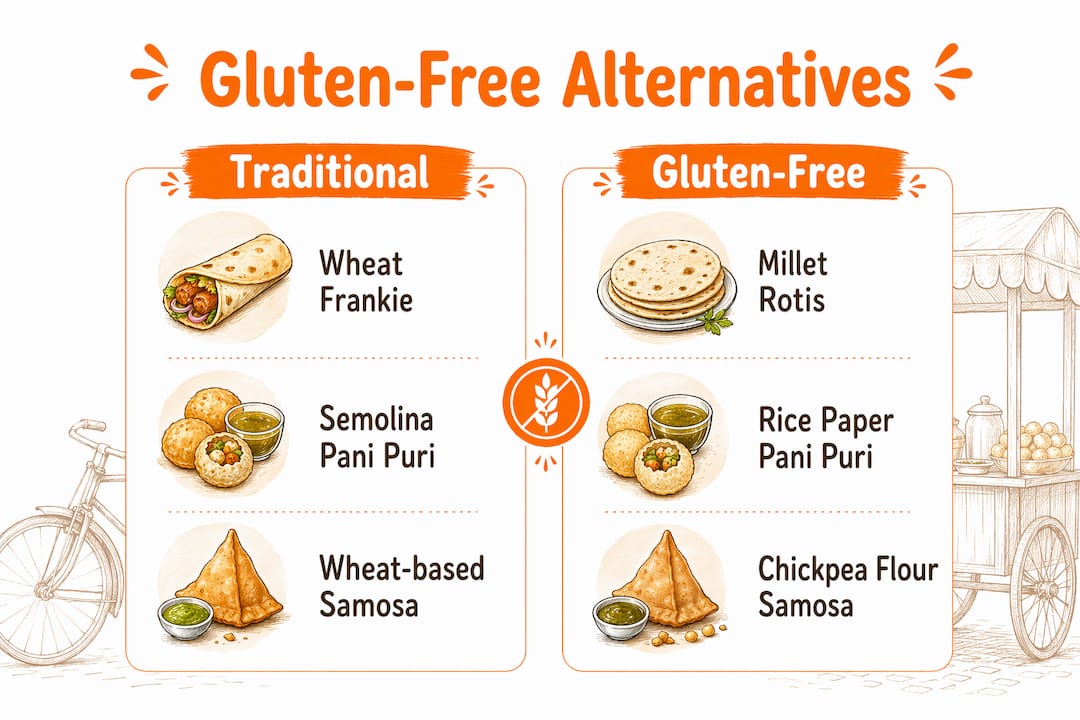
Wheat-based street wraps like the frankie roll can be made gluten-free using quinoa tortillas, millet rotis, or rice flour flatbreads. The texture differs slightly from a maida-based wrap, but the flavour of the filling, typically spiced lentils, paneer, or vegetables, remains fully intact. Millet flour in particular produces a flatbread with a slightly nutty flavour that complements Indian spicing well.
Pani puri is one of India’s most iconic street snacks, and it has traditionally been off-limits for gluten-free eaters because the hollow spheres (puris) are made from semolina or wheat flour. Rice paper pani puri solves this by deep-frying sheets of Vietnamese rice paper into hollow spheres that hold the spiced water and filling just as well as the original. The result is visually identical and texturally very close.
| Traditional item | Gluten-free alternative | Key ingredient swap |
|---|---|---|
| Wheat frankie wrap | Millet or quinoa roti | Bajra or quinoa flour |
| Semolina puri | Rice paper puri | Vietnamese rice paper |
| Wheat-based momos | Gluten-free momos | Quinoa and chickpea blend |
| Maida samosa shell | Rice flour pastry | Rice flour dough |
The Indian gluten-free food market was valued at USD 22.25 million in Q2 2025, growing at a CAGR of 13.93%. That growth is being driven in part by products like Wow! Momo’s gluten-free momos, made from a quinoa and chickpea flour blend. This is a category-first product that signals where the market is heading.
Restaurants that take gluten-free eating seriously tend to favour a structural approach over ad hoc modifications. Rather than removing wheat from an existing dish, they build dishes from scratch that are gluten-free by design. Dedicated gluten-free menu items reduce human error and cross-contact far more effectively than asking the kitchen to modify a standard recipe mid-service.
Pro Tip: When choosing a restaurant for gluten-free Indian street food, look for venues that list gluten-free items separately on the menu rather than marking existing dishes with a symbol. A separate listing signals that the kitchen has built the dish differently, not just removed one ingredient.
How to safely enjoy gluten-free Indian street food when dining out
Eating gluten-free Indian street food safely requires preparation before you arrive at the table. The following steps give you the best chance of a safe and enjoyable experience.
- Research the menu in advance. Check whether the restaurant publishes a dedicated gluten-free section. A venue that has thought carefully about gluten-free options will make this visible online.
- Choose naturally gluten-free dishes first. Idly, dosa, chana chaat, dal, and rice-based dishes carry less risk than adapted versions of wheat-based items.
- Ask about shared cooking equipment. Specifically ask whether the kitchen uses a dedicated fryer for gluten-free items. This single question tells you a great deal about how seriously the venue takes cross-contamination.
- Avoid composite dishes with multiple pre-prepared components. The more elements a dish contains, the higher the chance that one of them carries hidden gluten. Simple dishes are safer.
- Communicate clearly and specifically. Name the ingredients you cannot eat rather than using the phrase “gluten-free” alone, as this term is not universally understood in all kitchens. Say “no wheat, no maida, no semolina, no barley.”
- Prefer certified or specialist outlets when the risk is high. For people with coeliac disease, venues that hold a formal gluten-free certification offer the highest level of assurance. In India and abroad, this certification is becoming more common as the role of dietary awareness in food tourism grows.
The celiac disease diet excludes all gluten-containing grains. In the Indian context, this means embracing rice, millet, pulses, and dairy while being vigilant about wheat and its derivatives. The good news is that Indian cuisine, more than almost any other food tradition, gives you a rich and varied diet to work with.
Key takeaways
Gluten-free Indian street food is abundant, culturally rich, and increasingly well-supported by dedicated menu options and ingredient innovations.
| Point | Details |
|---|---|
| Many dishes are naturally safe | Idly, dosa, chana chaat, and dal are gluten-free by tradition, not adaptation. |
| Cross-contamination is the main risk | Shared frying oil and spice blends are the most common sources of hidden gluten. |
| Reinvention is driving the market | Rice paper puri and quinoa momos show how Indian street food is evolving for gluten-free eaters. |
| Structural menus outperform modifications | Restaurants that build gluten-free dishes from scratch reduce risk more effectively than those that modify existing recipes. |
| Clear communication is non-negotiable | Naming specific ingredients to avoid, such as maida and semolina, is more effective than requesting “gluten-free” alone. |
Why gluten-free Indian street food surprised me
I came to Indian street food as someone who had eaten it for years without thinking about gluten at all. When I started paying attention, I expected to find a cuisine full of hidden wheat. What I found instead was the opposite: a food tradition so deeply rooted in lentils, rice, and chickpeas that gluten-free eating felt almost natural.
The challenge is not the cuisine itself. The challenge is the kitchen. Shared oil, pre-mixed masalas, and the sheer pace of street food preparation create real risks that no amount of good intentions can fully eliminate. The vendors and restaurants that handle this well are the ones who have thought about it structurally, not just reactively.
What genuinely impressed me was the innovation happening at the product level. Wow! Momo’s gluten-free momos are not a compromise. They are a well-executed product that happens to be safe for people who cannot eat wheat. Rice paper pani puri is another example where the solution is so good it makes you wonder why anyone used semolina in the first place.
My honest advice: start with the dishes that have always been gluten-free. Idly and dosa are your safest entry points, and they are also some of the most delicious things Indian street food has to offer. Once you understand the baseline, you can explore the adaptations with confidence. Indian street food has more to give gluten-free eaters than almost any other cuisine, and the market is only getting better at delivering it.
— YellowRock
Discover gluten-free Indian street food at Desigallibcn
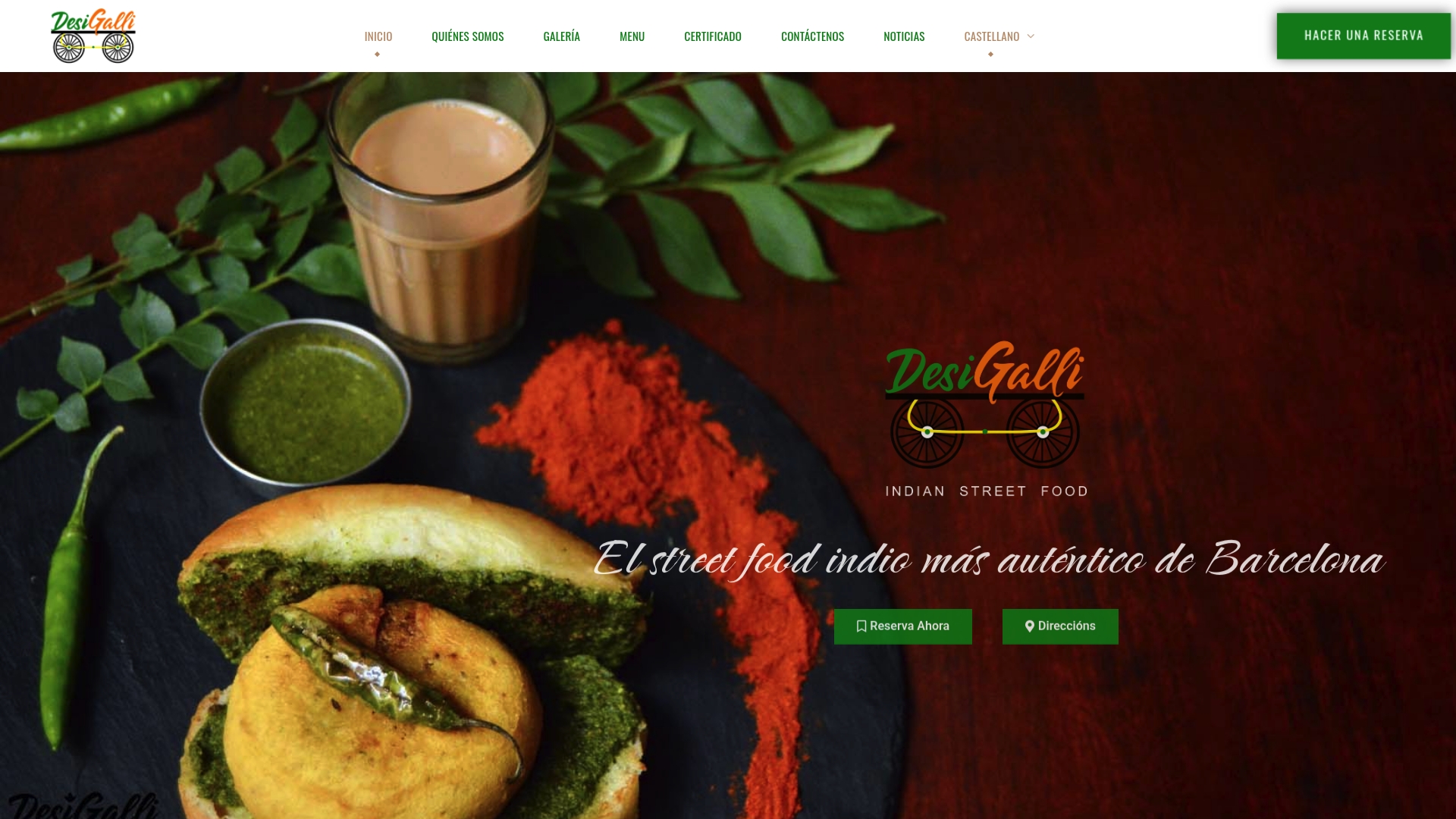
Desigallibcn brings the energy and flavour of Indian street markets to Barcelona, with a menu that includes naturally gluten-free options alongside its celebrated classics. Whether you are drawn to chana chaat, lentil-based curries, or the full range of Indian street dishes on offer, the kitchen at Desigallibcn is built around bold, authentic flavours. For those with a sweet tooth, the Indian street desserts menu is worth exploring too, with several options that are naturally free from wheat. Visit Desigallibcn in the heart of Barcelona to experience Indian street food with the confidence of knowing exactly what is in your bowl.
FAQ
What is gluten-free Indian street food exactly?
Gluten-free Indian street food refers to dishes made without wheat, barley, rye, or gluten-containing derivatives, using bases such as rice, lentils, millet, and chickpea flour. Many traditional Indian snacks like idly, dosa, and chana chaat fall into this category naturally.
Is Indian street food safe for people with coeliac disease?
Many Indian street foods are naturally gluten-free, but cross-contamination from shared frying oil and spice blends is a genuine risk for people with coeliac disease. Choosing vendors with dedicated fryers and asking about ingredient sources is the safest approach.
Which Indian street foods should I avoid if I am gluten-free?
Avoid naan, roti, paratha, puri, and standard samosas, as all are made from wheat flour. Also be cautious with composite chaat dishes that may contain papdi (wheat crisps) or commercial chutneys thickened with wheat starch.
Are there gluten-free alternatives to popular wheat-based Indian snacks?
Yes. Rice paper pani puri replaces semolina puris, millet and quinoa rotis replace wheat-based wraps, and quinoa and chickpea flour momos replace traditional wheat-dough versions. The Indian gluten-free food market is growing at 13.93% CAGR as these alternatives become more widely available.
How do I communicate my gluten-free needs when ordering Indian food?
Name the specific ingredients you cannot eat rather than using “gluten-free” alone. Say “no wheat, no maida, no semolina” and ask whether shared cooking equipment is used. In Hindi-speaking settings, the words “maida” and “gehun” help vendors understand exactly what to avoid.
Recommended
- Tasty Indian Street Foods For You – Desi Galli
- Why embrace indian street flavours: a cultural guide – Desi Galli
- 7 ejemplos de platos callejeros indios para saborear en Barcelona – Desi Galli
- Street food pairing ideas for Indian flavour lovers – Desi Galli