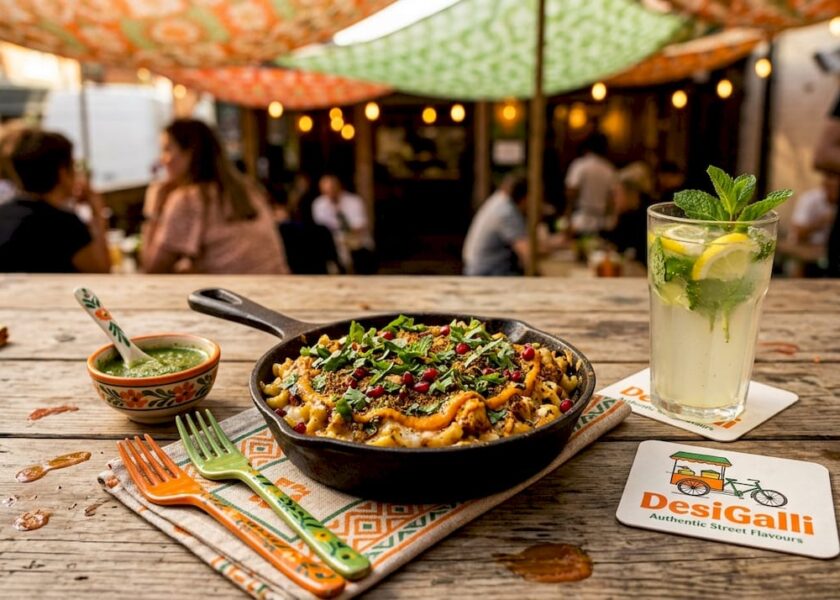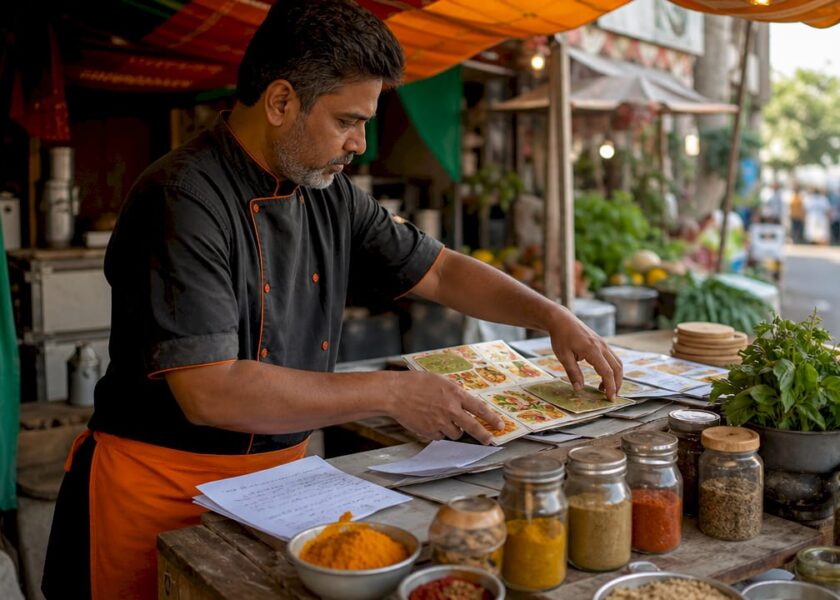

Pairing Indian dishes is the practice of combining curries, breads, sides, and drinks to create balanced flavour, texture, and digestive harmony in a single meal. Done well, it transforms a collection of individual dishes into something that feels complete and considered. The principles behind it draw from both culinary tradition and Ayurvedic logic, which has guided Indian cooking for centuries. Key elements include basmati rice, naan, raita, mint chutney, and mango lassi. Understanding how to pair Indian dishes means understanding contrast: spicy against cooling, creamy against crunchy, rich against fresh.
How to pair indian dishes: flavour and texture fundamentals
Authentic Indian pairings are rooted in cultural and Ayurvedic principles designed to balance taste, texture, and digestion. The core logic is contrast. A fiery dish needs something cooling beside it. A rich, heavy curry needs something light and fresh to cut through it.
The most reliable framework is to think in opposites:
- Spicy + cooling: Samosas with mint chutney. The heat of the filling meets the cold, herbal freshness of the chutney.
- Creamy + crunchy: Butter chicken with crispy papadums. The smooth sauce contrasts with the snap of the wafer.
- Rich + tangy: Lamb rogan josh with a sharp mango pickle. The acidity lifts the heaviness of the meat.
- Dry + saucy: Seekh kebabs with a yoghurt dip. The dry char of the kebab needs moisture to balance it.
Texture matters as much as flavour. A meal built entirely of soft, creamy dishes feels monotonous. Adding a crunchy element, whether papadums, bhakarwadi, or a fresh salad, gives the palate something to work with. The same applies in reverse: a plate of only dry, crispy snacks needs a creamy or saucy counterpart.
Ayurvedic thinking adds another layer. It classifies foods by their heating or cooling effect on the body, not just their temperature. Ginger, chilli, and black pepper are heating. Cucumber, yoghurt, and coconut are cooling. A well-paired Indian meal balances these properties so the body feels satisfied rather than overwhelmed.
Pro Tip: Before building a meal, rank each dish by intensity. If two dishes both register as heavy and spicy, add a neutral element like plain basmati rice or a simple cucumber raita to give the palate a resting point.
Which bread or rice goes best with each curry?
Thick, rich curries require dense breads such as naan or paratha to scoop and carry the sauce effectively, while thinner curries are better complemented by rice. This weight-matching principle is the single most useful rule for starch pairings. It explains why butter chicken and garlic naan feel so natural together, and why a light rasam soup belongs beside a bowl of steamed rice rather than a thick flatbread.
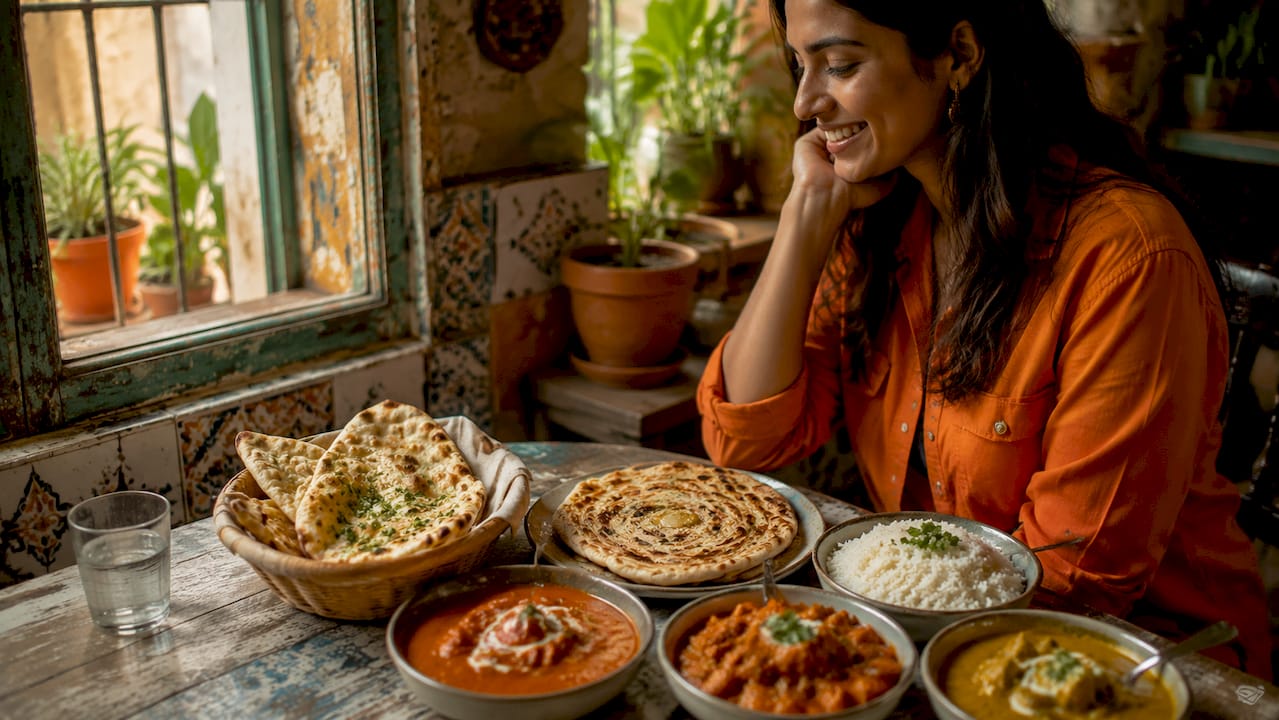
Here is a practical comparison of bread and rice options against common curry styles:
| Starch | Texture | Best Paired With |
|---|---|---|
| Garlic naan | Soft, slightly chewy | Butter chicken, paneer makhani, tikka masala |
| Plain roti | Thin, dry, wholemeal | Dal tadka, sabzi, lighter vegetable curries |
| Paratha | Flaky, layered, rich | Aloo gobi, keema, thick meat curries |
| Rumali roti | Paper-thin, delicate | Tandoori dishes, dry kebabs, lighter gravies |
| Basmati rice | Fluffy, neutral, fragrant | Chicken tikka masala, vegetable curry, biryani gravies |
| Jeera rice | Cumin-scented, slightly nutty | Dal makhani, palak paneer, medium-spiced curries |
Basmati rice is the perfect neutral accompaniment for dishes like chicken tikka masala or vegetable curry because it balances strong spices and absorbs rich sauces. That neutrality is precisely its value. It does not compete with the curry. It carries it.
Paratha is the most underused bread in home cooking outside India. Its layered, buttery texture makes it ideal for scooping thick meat-based curries where naan might feel too bready. Rumali roti, by contrast, is so thin it suits dry tandoori dishes where you want a wrap rather than a scoop.
Pro Tip: Use plain or garlic naan specifically with emulsified, cream-based dishes like butter chicken or korma. The bread’s softness matches the sauce’s body. With a thinner curry like a tomato-based madras, switch to rice to avoid the bread becoming soggy.
How to pair indian dishes with drinks for palate balance
The rule for pairing drinks with Indian food is direct: the spicier the dish, the lighter and cooler the beverage should be. High-spice dishes pair well with light beers, sparkling drinks, or sweet lassi. Milder dishes allow more complex pairings, including wine.

Coconut water and mango lassi are more effective than cold water at neutralising chilli heat. Their sweetness and cooling properties mitigate capsaicin’s burning effect in a way that plain water simply cannot. This is why mango lassi has appeared beside spicy Indian food for generations. It is not decoration. It is function.
For alcohol pairings, the choices that work best are:
| Spice Level | Recommended Drink | Why It Works |
|---|---|---|
| Mild (korma, malai kofta) | Off-dry Riesling, Pinot Gris | Floral notes complement creamy sauces |
| Medium (tikka masala, palak paneer) | Wheat beer, light lager | Refreshes without clashing with spice |
| Hot (vindaloo, phaal, green chilli dishes) | Mango lassi, coconut water, buttermilk | Sweetness and fat neutralise capsaicin |
| Very hot | Avoid alcohol; choose sweet or dairy drinks | Alcohol amplifies heat perception |
Off-dry Riesling and light lagers are the top alcohol pairings for balancing Indian food spice. Heavy, tannic red wines clash with chilli heat and make spicy food taste more aggressive. If you want wine with a medium-spiced curry, choose something with residual sweetness and good acidity.
Buttermilk, known as chaas in India, is one of the most overlooked drinks in this context. It is cooling, lightly salted, and digestively supportive. Served cold alongside a spicy biryani, it does everything mango lassi does with less sweetness.
Pro Tip: Avoid cold water as your primary heat reliever. It disperses capsaicin temporarily but does not neutralise it. Reach for a dairy or coconut-based drink instead, and keep it on the table throughout the meal.
How to pair indian snacks and sides for a balanced spread
Cooling raita made of yoghurt and cucumber is an essential side dish that cools the palate and balances spicy Indian food. It belongs beside almost every spiced snack or curry. Think of it as the reset button between bites.
Common Indian snacks and their ideal pairings include:
- Samosas: Serve with mint chutney for cooling contrast and tamarind chutney for sweet depth. The two chutneys together give guests a choice of flavour direction.
- Pakoras: Pair with a yoghurt-based dip or green chilli chutney. The crispy batter needs moisture and acidity.
- Bhakarwadi: These spiced, rolled snacks from Maharashtra are already complex in flavour. Pair with a plain yoghurt dip rather than a strongly flavoured chutney to avoid overloading the palate.
- Chaat: Sev puri and pani puri carry their own chutneys and toppings. Serve alongside a cooling drink like jaljeera or coconut water.
For entertaining, creating mini snack sections when serving Indian snacks at home helps guests enjoy balanced flavour profiles and improves presentation. Group snacks by flavour type: a crunchy corner with papadums and bhakarwadi, a fresh section with chaat and salad, and a warm section with samosas and pakoras. This structure gives guests a natural journey through the spread rather than a confusing pile of dishes.
Understanding North versus South Indian snack traditions also helps here. South Indian snacks like murukku and medu vada have different spice profiles and textures than North Indian options like samosas and kachori. Mixing both creates a more interesting and varied spread.
Pro Tip: Always include at least one sweet element in a snack spread, such as gulab jamun or a small portion of kheer. It gives the palate a genuine resting point and signals the end of the savoury section to guests.
Common mistakes when combining indian dishes
The most frequent error in Indian meal planning is stacking too many heavy dishes together. Serving biryani, butter chicken, and paratha in the same meal creates a wall of richness with no contrast. Every dish competes for attention and the result is fatigue rather than satisfaction.
Other common mistakes include:
- Mismatched spice levels: Pairing a mild korma with a fiery vindaloo on the same plate confuses the palate. If you serve both, separate them clearly and provide a neutral buffer like plain rice between them.
- Ignoring texture variety: A spread of only soft dishes, such as dal, rice, and raita, lacks the crunch that makes a meal feel complete. Add papadums or a fresh kachumber salad.
- Wrong drink choice: Serving a full-bodied red wine with a spicy lamb curry intensifies the heat rather than cooling it. Match drink weight to dish intensity.
- Forgetting dietary needs: Indian cuisine has exceptional vegetarian and vegan options. If you are cooking for a mixed group, vegetarian Indian food deserves the same pairing thought as meat dishes.
If heat becomes overwhelming mid-meal, switch immediately to a dairy-based drink. Adjust future pairings by reducing the number of high-spice dishes and adding more neutral elements.
Pro Tip: Start with one curry, one bread or rice, one side, and one drink. Master that combination before adding complexity. A simple, well-paired meal beats an ambitious, unbalanced one every time.
Key takeaways
Pairing Indian dishes well requires matching spice intensity, texture contrast, and drink weight to create a meal that feels balanced rather than overwhelming.
| Point | Details |
|---|---|
| Match starch to curry weight | Use dense breads like naan with thick curries; use rice with thin, broth-like gravies. |
| Contrast flavours and textures | Pair spicy dishes with cooling sides like raita or mint chutney for balance. |
| Choose drinks by spice level | The hotter the dish, the lighter and cooler the drink should be; mango lassi beats cold water. |
| Avoid stacking heavy dishes | Limit rich, creamy dishes to one per meal and add a neutral element to reset the palate. |
| Structure snack spreads in sections | Group snacks by flavour type to guide guests and improve presentation at home gatherings. |
What pairing indian food has taught me
Most home cooks approach Indian food with the right instincts but the wrong sequence. They choose a curry first, then scramble to find a bread and a drink that fit. The better approach is to start with spice level and work outward from there. Decide how hot the meal will be, then select everything else to support that decision.
I have made every mistake in this article. I once served a vindaloo alongside a full-bodied Shiraz at a dinner party and watched every guest reach for water that did nothing. I have also served three creamy dishes in a row and wondered why the meal felt exhausting. The lessons were immediate and memorable.
What I find most satisfying now is the Ayurvedic logic behind traditional pairings. It is not mystical. It is practical. Cooling foods beside heating foods. Light beside heavy. Fresh beside rich. Once you internalise that framework, pairing becomes intuitive rather than effortful. You stop following rules and start reading the meal.
The Indian spices list is also worth understanding deeply. Knowing that cumin is warming, coriander is cooling, and turmeric is neutral changes how you read a dish before you even taste it. That knowledge feeds directly into better pairing decisions.
Do not be afraid to experiment. Tradition gives you the framework. Your own palate gives you the final answer.
— YellowRock
Explore indian street food pairings with Desigallibcn
Desigallibcn brings authentic Indian street food to Barcelona, and the menu is built around the same pairing principles covered in this article. Every dish is designed to work alongside others, from spiced samosas with cooling chutneys to curries matched with the right breads and drinks.
If you want to see these pairings in action, explore the street food and cocktail menu at Desigallibcn, where the drinks are chosen specifically to complement Indian spice levels. You can also read more about Indian street food culture and the flavour rituals behind it. Whether you are planning a home meal or looking for inspiration from a professional kitchen, Desigallibcn is the place to start.
FAQ
What is the best side dish for a spicy indian curry?
Cooling raita made from yoghurt and cucumber is the most effective side dish for spicy curries. It provides a creamy, refreshing contrast that directly offsets chilli heat.
What drinks go best with indian food?
Mango lassi, coconut water, and buttermilk are the most effective drinks for spicy Indian food. For alcohol, off-dry Riesling and light lagers work well without intensifying heat.
Does red wine pair well with indian curry?
Heavy, tannic red wines clash with chilli heat and make spicy dishes taste more aggressive. Choose off-dry whites or light beers instead for medium to hot curries.
Which bread should i serve with butter chicken?
Garlic naan or plain naan is the best match for butter chicken. The soft, slightly chewy texture suits the creamy, emulsified sauce and holds it without becoming soggy.
How do i pair indian snacks for a home gathering?
Group snacks into sections by flavour type: crunchy, fresh, and warm. Always include at least one cooling dip such as mint chutney or yoghurt raita alongside spiced snacks.
Recommended
- Essential Indian food tips for beginners: master authentic flavours – Desi Galli
- Street food pairing ideas for Indian flavour lovers – Desi Galli
- Guía para combinar platos indios y crear experiencias únicas – Desi Galli
- Defining authentic Indian restaurants: the real guide – Desi Galli