
Indian curry is not a single dish. It is a broad family of saucy dishes that vary enormously by region, base ingredient, and spice technique. The word “curry” itself is a British colonial simplification applied to hundreds of distinct preparations, from the rich, dairy-laden gravies of North India to the sharp tamarind and coconut broths of the South. Dishes like butter chicken, korma, vindaloo, and rasam share the label but almost nothing else. This guide to Indian curries cuts through that confusion, giving you the regional knowledge and practical technique to cook and order with real confidence.
What are the main regional styles of indian curries?
Regional style defines Indian curries more than any single spice or protein. Once you understand the three main regional families, the entire Indian curry varieties list starts to make sense.
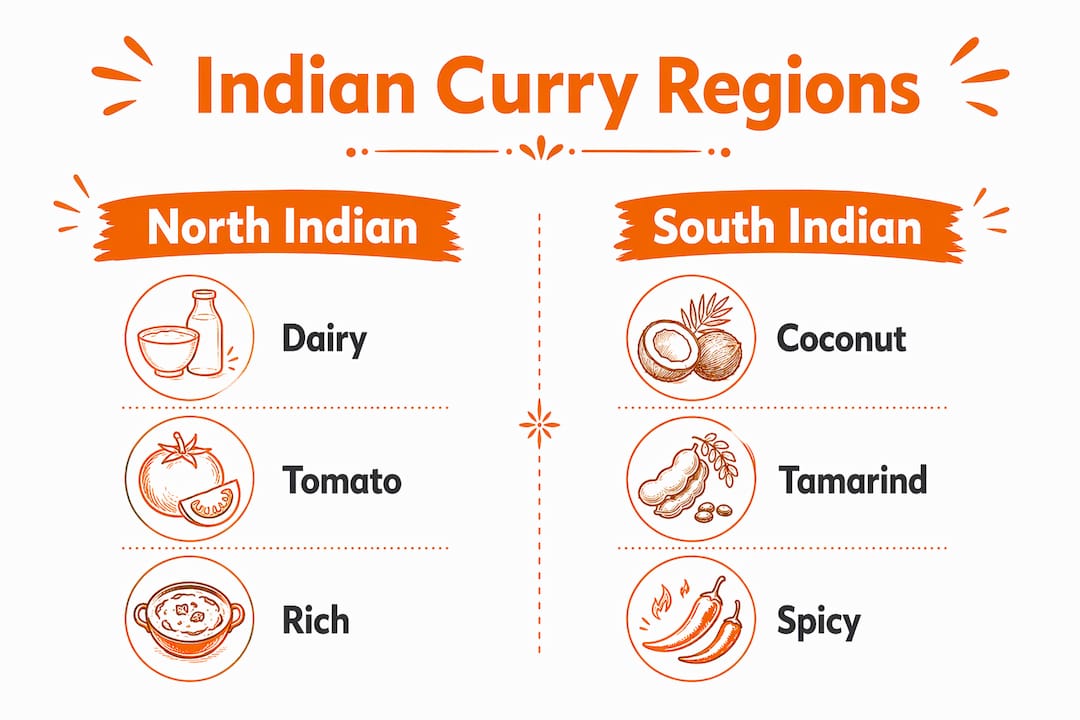
North indian curries: rich, dairy-driven gravies
North Indian curries are built on a cooked onion and tomato base, often enriched with yogurt, cream, or paneer. The result is a thick, deeply savoury gravy with warmth rather than sharp heat. Signature dishes include Korma, a mild preparation using ground nuts and cream; Rogan Josh, a medium-heat Kashmiri curry coloured by dried Kashmiri chillies and fragrant with cardamom; and Butter Chicken, which balances a tomato cream sauce with gentle spicing. These are the curries most people encounter first in restaurants outside India.
South indian curries: coconut, tamarind, and curry leaves
South Indian cooking takes a completely different direction. Coconut milk, tamarind, and fresh curry leaves replace dairy as the defining flavour carriers. The base is lighter, more acidic, and often thinner in consistency. Rasam is a peppery, tamarind-based broth served as a digestive. Sambar is a lentil and vegetable stew with a complex spice blend that includes coriander, cumin, and dried red chillies. Rice is the standard accompaniment rather than bread. The flavour profile is sharper, more aromatic, and noticeably different from anything you find in a North Indian restaurant.
Goan curries: the portuguese influence
Goa sits apart from both traditions. Portuguese colonisation left a permanent mark on Goan cooking, introducing vinegar as a souring agent and encouraging the use of fiery dried chillies. Vindaloo is the most famous example. Its heat comes from a paste of dried Kashmiri and bird’s eye chillies, and its tang comes from palm vinegar rather than tamarind. The result is a curry that is simultaneously hot, sour, and deeply spiced. Understanding this origin explains why Vindaloo tastes so different from a North Indian Rogan Josh, even though both appear on the same restaurant menu.
Key regional characteristics at a glance:
- North India: onion and tomato base, yogurt or cream, warming spices, thick gravy
- South India: coconut milk or tamarind base, curry leaves, mustard seeds, lighter consistency
- Goa: vinegar-based, fiery dried chillies, Portuguese-influenced, bold and tangy
How do you build an authentic curry base?
The technique behind a great curry matters as much as the ingredients. Spice order and timing control flavour release directly. Get the sequence wrong and you end up with a bitter, flat, or greasy result. Get it right and the dish develops genuine depth.
The process is called tadka, or tempering. Here is the correct sequence for a North Indian style curry:
- Heat fat first. Use ghee, neutral oil, or a combination. The fat must be genuinely hot before anything goes in.
- Add whole spices. Cumin seeds, cardamom pods, cloves, and cinnamon sticks go in first. They bloom in the hot fat, releasing their essential oils within 30–60 seconds. Watch for the seeds to sizzle and pop.
- Add aromatics. Onions go in next and cook until soft and golden, typically 8–10 minutes. Garlic and ginger paste follow for another 2 minutes. Rushing this stage is the most common mistake home cooks make.
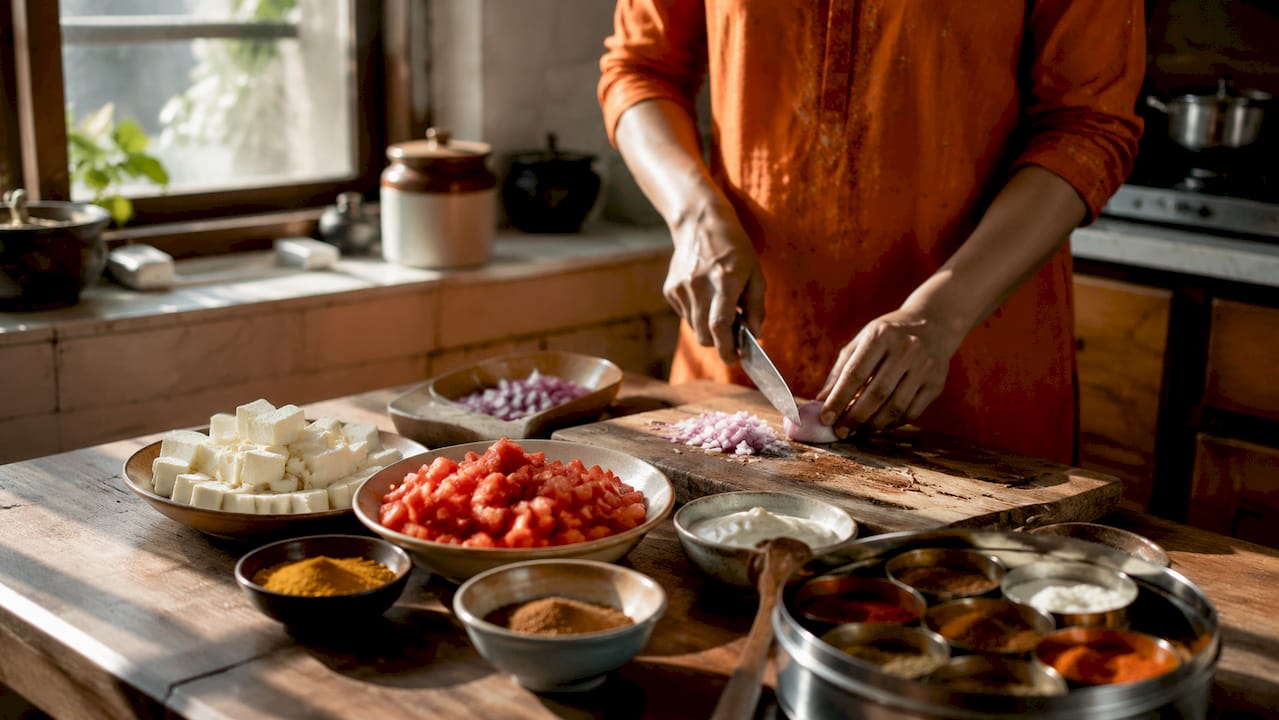
- Add tomatoes or yogurt. For North Indian curries, chopped tomatoes cook down until the oil separates from the paste. This separation is your signal to move on. For South Indian styles, coconut milk replaces this step entirely.
- Add ground spices on lower heat. Turmeric, coriander, and cumin powders go in after you reduce the heat. Ground spices bloom in 30–60 seconds and burn almost immediately if the pan is too hot. Stir constantly.
- Add garam masala last. This finishing spice blend is added at the end of cooking to preserve its delicate aroma. Adding it early destroys the fragrance entirely.
For South Indian coconut and tamarind curries, the sequence shifts. Mustard seeds and cumin temper for around 30 seconds, then curry leaves fry until crisp and aromatic before the onions go in. Coconut milk is added only after the raw tamarind aroma dissipates, then brought to a single gentle boil before removing from heat. This prevents the coconut milk from splitting and the tamarind from developing an unpleasant raw sourness.
Pro Tip: If your curry looks greasy or separated, the emulsification has broken. Add a splash of warm water and stir vigorously over medium heat. The sauce will come back together as the starch from the onion base re-incorporates.
You can find more detail on building curry bases in Desigallibcn’s guide for beginners, which covers timing and aromatics step by step.
How do popular indian curry varieties compare?
Regional spice blends define curries more than protein choices alone. Knowing the flavour and heat profile of each dish lets you choose confidently, whether you are cooking at home or ordering in a restaurant.
| Curry | Heat Level | Base | Key Flavour Notes |
|---|---|---|---|
| Korma | Mild | Cream and ground nuts | Rich, sweet, gently spiced |
| Butter Chicken | Mild to medium | Tomato and cream | Smooth, slightly tangy, warming |
| Rogan Josh | Medium | Onion, tomato, Kashmiri spices | Earthy, aromatic, deep red colour |
| Jalfrezi | Medium to hot | Onion, tomato, green chillies | Dry-ish, tangy, stir-fried texture |
| Vindaloo | Hot | Vinegar and dried chillies | Fiery, sour, complex |
| Madras | Very hot | Tomato and tamarind | Sharp, acidic, intensely spiced |
The heat ladder runs from Korma at the mildest end through Butter Chicken and Tikka Masala, up to Rogan Josh and Jalfrezi in the middle, and peaks with Madras and Vindaloo. This progression is genuinely useful. If you enjoy Butter Chicken, Rogan Josh is a natural next step. If Rogan Josh feels comfortable, Jalfrezi adds more heat and a drier texture. Moving up the ladder one dish at a time is a far better approach than jumping straight to Vindaloo.
Vegetarian curries sit across the full heat range and deserve equal attention in any guide to authentic Indian curries. Chana Masala is a medium-heat North Indian chickpea curry with a sharp, tangy tomato base. Saag Paneer is mild and creamy, built on puréed spinach with cubes of fresh cheese. Sambar is a South Indian lentil stew that is aromatic and warming rather than fiery. Traditional Indian cuisine includes sambar, chana masala, aloo gobi, and palak paneer as fully authentic dishes, not afterthoughts. These are examples of Indian vegetarian dishes with centuries of history behind them.
For a deeper look at curry names and regional flavour profiles, Desigallibcn has a dedicated guide that covers the meaning behind each dish name.
How do you cook vegetarian indian curries without losing depth?
Vegetarian Indian curries are not simplified versions of meat dishes. They are a distinct tradition with their own techniques and ingredient logic. The key is understanding what creates richness and body when there is no meat in the pot.
- Use lentils and legumes as the base. Dal makhani uses whole black lentils slow-cooked with butter and cream. Chana Masala uses dried chickpeas that absorb the spiced tomato base over a long simmer. Both develop a meaty depth without any animal protein.
- Build body with cashew paste or coconut milk. For creamy vegetarian curries, a paste of soaked cashews blended with water replicates the richness of cream without the dairy. Coconut milk works equally well in South Indian preparations.
- Do not reduce oil too aggressively. A small amount of fat is necessary for the spices to bloom and for the sauce to coat the vegetables properly. Cutting fat entirely produces a watery, flat result.
- Add vegetables in stages. Dense vegetables like potato and butternut squash go in early. Leafy greens like spinach go in at the very end, wilting in the residual heat. This preserves colour, texture, and nutritional value.
- Pair with the right accompaniments. Serve North Indian vegetarian curries with whole wheat chapati or basmati rice. South Indian dishes like Sambar pair naturally with steamed rice or dosa. The accompaniment is part of the dish, not an optional extra.
For anyone wanting to go further with plant-based Indian cooking, Desigallibcn’s piece on vegetarian Indian food covers authentic options with serving suggestions in detail.
Key takeaways
Mastering Indian curries requires understanding regional bases first, then applying correct spice sequencing to build genuine flavour at every stage.
| Point | Details |
|---|---|
| Regional base defines the dish | Identify whether a curry is North Indian, South Indian, or Goan before choosing ingredients. |
| Spice order is non-negotiable | Whole spices bloom first in hot fat; ground spices go in last on lower heat to avoid bitterness. |
| Heat levels follow a clear ladder | Progress from Korma through Butter Chicken and Rogan Josh before attempting Vindaloo or Madras. |
| Vegetarian curries are fully authentic | Chana Masala, Sambar, and Saag Paneer are traditional dishes, not substitutes for meat versions. |
| Coconut milk timing matters | In South Indian curries, add coconut milk only after the raw tamarind aroma has gone, then boil once gently. |
What cooking indian curries has actually taught me
Most people approach Indian curries as though the spice list is the hard part. It is not. The hard part is patience with the base. Every time I have rushed the onion stage, the finished curry has tasted thin and slightly raw, regardless of how many spices went in afterwards. The onions need to cook until they are genuinely golden and soft, not just translucent. That 10-minute investment is what creates the sweet, caramelised foundation that carries everything else.
The second lesson I have learned is to stop treating heat as the measure of authenticity. Vindaloo is not more Indian than Korma. They are simply different regional traditions. When I started thinking about curries through the lens of region and base ingredient rather than chilli count, the whole cuisine opened up. I began to understand why a Rasam tastes nothing like a Rogan Josh, and why that is the point.
The third thing worth saying plainly: do not buy pre-made curry powder and expect authentic results. Curry powder is a British invention, a generic blend that flattens the very regional distinctions that make Indian cooking interesting. Buy individual spices, cumin, coriander, turmeric, cardamom, and garam masala, and build your own blends. The difference in flavour is not subtle. You can explore the full Indian spices list at Desigallibcn for a practical 2026 reference.
Embrace the trial and taste approach. Every batch of curry teaches you something. Adjust salt, acid, and heat at the end of cooking rather than the beginning. A squeeze of lemon, a pinch of sugar, or a spoonful of yogurt can rescue a dish that feels slightly off. That instinct develops with practice, not with a perfect recipe.
— YellowRock
Taste authentic indian curries at Desigallibcn in barcelona
If you want to experience the full range of Indian curry styles before committing to cooking them yourself, Desigallibcn in Barcelona offers exactly that. The restaurant brings the energy and flavour of Indian street markets to the centre of the city, with a menu that spans classic curries, chaat, samosas, and a strong selection of vegetarian and vegan dishes.
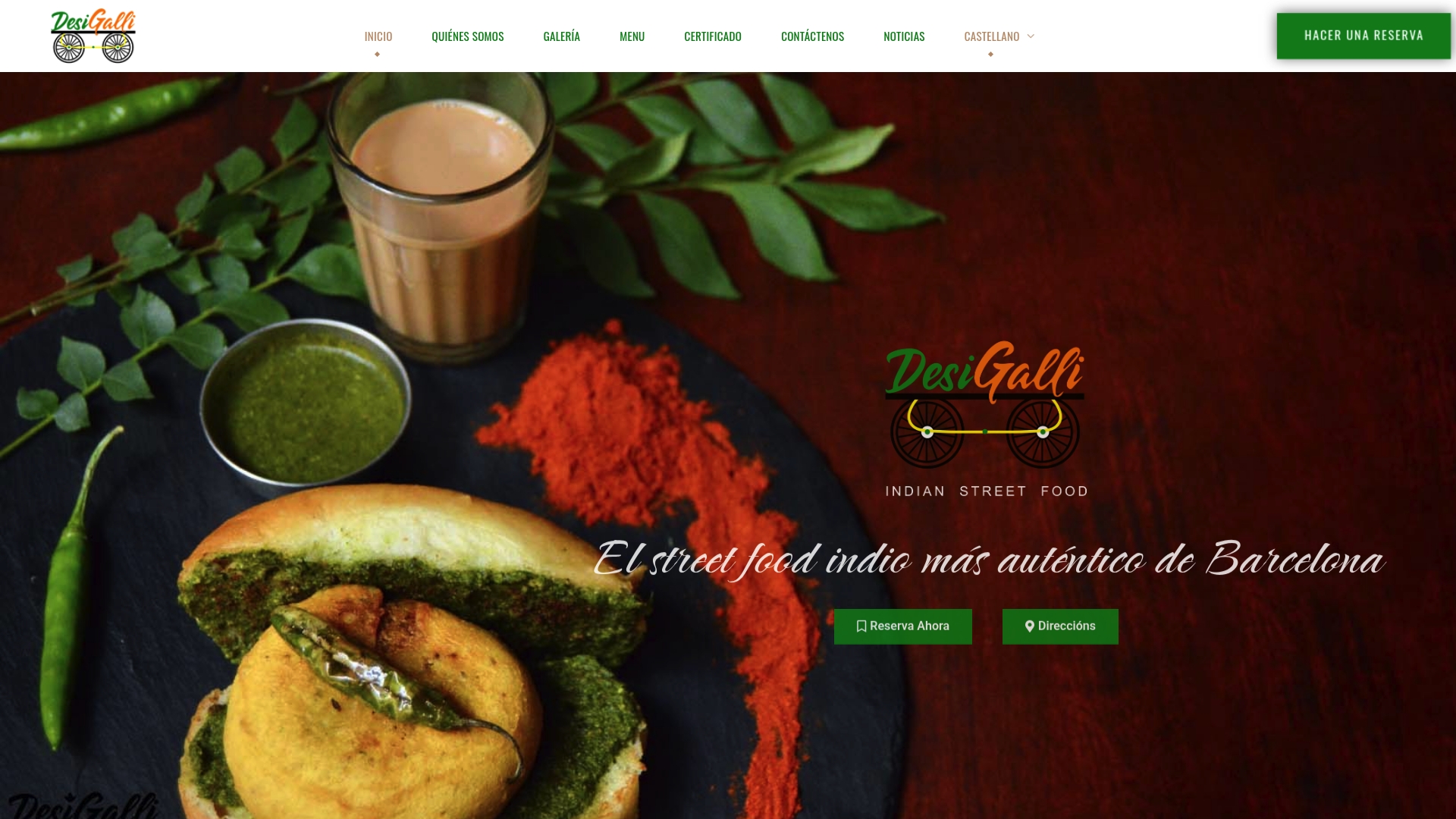
Whether you are new to Indian food or a seasoned enthusiast looking for authentic preparation, Desigallibcn is the place to taste the difference between regional styles in person. Explore the full Indian street food experience in Barcelona, from bold Goan-inspired dishes to mild, creamy North Indian classics. Bookings are available directly through the website.
FAQ
What are indian curries exactly?
Indian curries are a broad family of spiced, saucy dishes that vary by region, base ingredient, and cooking technique. They are not a single recipe but hundreds of distinct preparations unified by the use of layered spices.
What is the difference between north and south indian curries?
North Indian curries use onion, tomato, and dairy bases to create rich, thick gravies. South Indian curries rely on coconut milk, tamarind, and curry leaves for a lighter, more acidic flavour profile.
Which indian curry is best for beginners?
Korma is the mildest option, made with cream and ground nuts. Butter Chicken is a natural second step, offering a gentle tomato and cream base with slightly more spice complexity.
How do i stop my curry tasting bitter?
Bitter curry is almost always caused by burning ground spices. Add them on lower heat after the aromatics are cooked, stir constantly, and limit blooming time to 30–60 seconds.
Are vegetarian indian curries authentic?
Vegetarian curries like Chana Masala, Sambar, and Saag Paneer are fully traditional dishes with deep roots in Indian culinary history. They are not adaptations of meat dishes but independent preparations in their own right.
Recommended
- Defining authentic Indian restaurants: the real guide – Desi Galli
- What is curry? A guide to its true meaning – Desi Galli
- Essential Indian food tips for beginners: master authentic flavours – Desi Galli