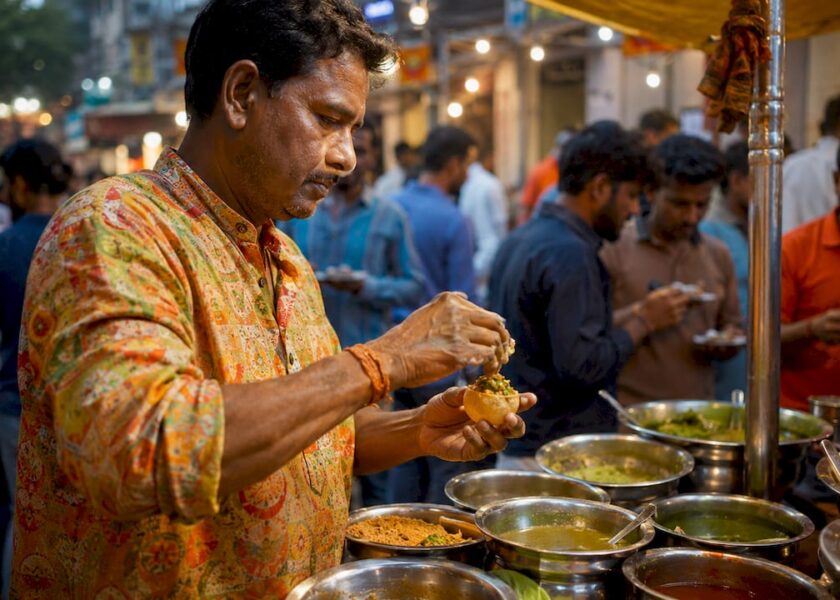

A traditional Indian party food list is a curated selection of iconic dishes that balance bold flavours, regional variety, and dietary inclusivity to make any gathering memorable. Whether you are planning a birthday celebration, a wedding reception, or a casual get-together, Indian cuisine offers one of the most versatile catering options available. A well-built Indian catering menu spans samosas, biryanis, paneer dishes, chutneys, and sweets, covering every course from arrival snacks to dessert. Getting the selection right from the start is what separates a forgettable spread from one guests talk about for months.
What goes on a traditional Indian party food list?
A complete Indian party food list covers five core categories: starters and chaat, main courses, breads, accompaniments, and desserts. Each category plays a distinct role in the meal’s rhythm. Starters create energy and conversation early in the event. Mains anchor the experience. Desserts close it on a high note.
Starters and chaat are the social engine of any Indian gathering. Dishes like samosas, pakoras, pani puri, and bhel puri circulate easily and encourage mingling. Chaat, the broad category of tangy, spiced street snacks, is particularly effective at live stations because guests can customise their own plates.
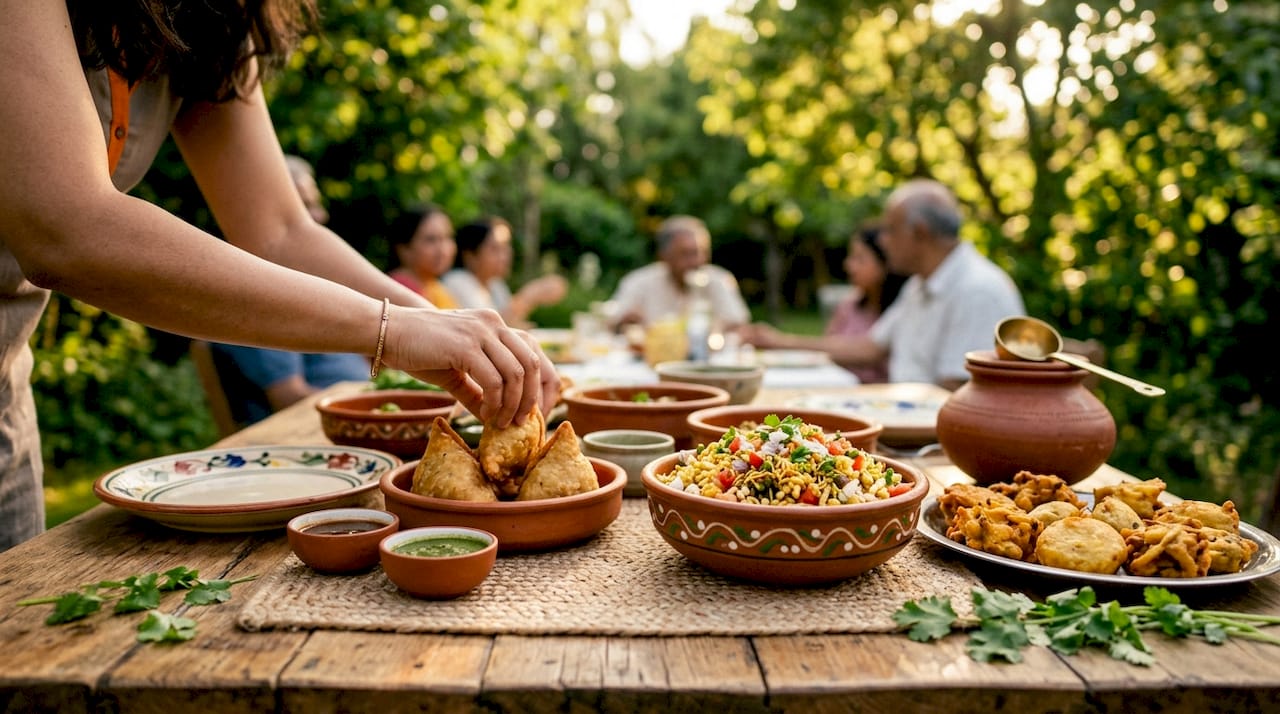
Main courses range from rich meat-based curries such as butter chicken and lamb rogan josh to vegetarian classics like dal makhani, palak paneer, and chana masala. A typical Indian party menu includes 35–45 dishes covering drinks, chaat, appetisers, multiple curries, breads, and desserts. That range reflects how seriously Indian hospitality treats the act of feeding guests.
Breads are non-negotiable. Naan, paratha, and roti each serve a different function. Naan is soft and ideal for scooping curries. Paratha is layered and filling. Roti is lighter and suits guests watching their intake.
Pro Tip: Set up a dedicated bread station with a live tawa or tandoor if your guest count allows. Freshly made bread transforms a buffet into an experience.
Desserts and beverages complete the picture. Gulab jamun, rasmalai, kheer, and jalebi are the most requested Indian festive sweets at parties. Sweet lassi, masala chai, and nimbu pani round out the drinks side without requiring a full bar setup.
Top traditional Indian dishes to include in your party menu
The dishes below represent the most requested items across Indian catering menus in 2026. Use this as your starting checklist and adapt based on your guest profile and event style.
Starters and Indian festive snacks
- Samosa — the most universally recognised Indian starter. Serve with mint chutney and tamarind sauce. Vegetarian by default and easy to eat standing up.
- Pakora — battered and fried vegetables or paneer. Works well as a passed canapé or at a live frying station.
- Pani puri — hollow crisp shells filled with spiced water and chickpeas. A crowd favourite that works best as a live station because the shells go soft quickly.
- Dahi bhalla — lentil dumplings in yoghurt with chutneys. Cooling and ideal for balancing spicier dishes on the table.
- Bhel puri — puffed rice with vegetables and tamarind. Light, crunchy, and naturally vegan.
Main courses
- Butter chicken — the most ordered Indian dish globally. Rich, mildly spiced, and accessible to guests unfamiliar with Indian food.
- Dal makhani — slow-cooked black lentils in cream and butter. Considered a complete vegetarian meal rather than a side dish.
- Palak paneer — spinach and fresh cheese curry. High in protein and naturally gluten-free.
- Chana masala — spiced chickpeas. Vegan, filling, and one of the most cost-effective mains to scale for large groups.
- Lamb rogan josh — slow-braised lamb in Kashmiri spices. A strong centrepiece dish for meat-eating guests.
Biryani and rice
- Chicken biryani — layered rice and spiced chicken, cooked in the dum style. The single most requested dish at Indian party catering events. Plan 250 grams per person when biryani is the main dish, as it is significantly more filling than plain rice.
- Vegetable pulao — fragrant rice with mixed vegetables. A lighter alternative that suits vegetarian and vegan guests equally.
Desserts
- Gulab jamun — deep-fried milk dumplings in rose syrup. Served warm and universally loved.
- Rasmalai — soft cheese patties in sweetened milk. Elegant and well-suited to formal events.
- Kheer — rice pudding with cardamom and saffron. A traditional festive sweet that scales easily for large groups.
| Dish | Category | Dietary notes |
|---|---|---|
| Samosa | Starter | Vegetarian, can be vegan |
| Butter chicken | Main course | Contains dairy, gluten-free |
| Dal makhani | Main course | Vegetarian, contains dairy |
| Chana masala | Main course | Vegan, gluten-free |
| Chicken biryani | Rice dish | Gluten-free |
| Gulab jamun | Dessert | Vegetarian, contains dairy |
| Kheer | Dessert | Vegetarian, gluten-free |
How to cater for dietary preferences at Indian parties
Indian cuisine naturally accommodates vegetarian, vegan, gluten-free, and nut-free diets better than almost any other culinary tradition. That is not an accident. India has the world’s largest vegetarian population, and centuries of cooking have produced a vast repertoire of plant-based dishes that are genuinely satisfying rather than afterthoughts.
At least 33% of dishes on any Indian party menu should be vegetarian, even for mixed groups. For events where you know a significant portion of guests are vegetarian or vegan, push that figure to 50% without sacrificing variety or flavour.
- Vegan options: chana masala, bhel puri, vegetable pulao, aloo gobi, and most chutneys are naturally vegan. Avoid dishes cooked in ghee if strict veganism is required.
- Gluten-free options: most rice dishes, lentil curries, and grilled meats are naturally gluten-free. Avoid naan and paratha for guests with coeliac disease; offer rice or gluten-free roti instead.
- Nut allergies: many Indian sweets and some curries contain cashews or almonds. Label these clearly and keep nut-containing dishes in separate serving vessels.
- Spice management: serve cooling accompaniments such as raita, sweet lassi, and dahi bhalla alongside spicier dishes. Place very hot condiments in small, clearly marked bowls rather than mixing them into main trays.
Pro Tip: Print a simple allergen card for each dish and place it beside the serving bowl. Guests with dietary needs will feel considered, and you will avoid awkward mid-event conversations.
For a deeper look at why plant-based Indian dishes deserve a central place on your menu, vegetarian Indian food covers the full case with specific dish recommendations.
Practical tips for planning your Indian food catering
Portion planning is where most party organisers make their biggest mistakes. Professional caterers plan 350–450 grams of food per person for a full meal. When biryani is the centrepiece, 250 grams per person is sufficient due to its richness. Account for 10–15% guest no-shows by ordering slightly less than your headcount suggests.
Choosing your service style has a direct impact on the atmosphere of your event. Live stations suit cocktail-style gatherings and create energy. Formal buffets work better for seated receptions. A hybrid catering approach combining home-prepared simple items with professionally sourced heavy dishes reduces cost and stress for casual parties without compromising quality.
Queue management matters more than most organisers expect. One live food counter serves 80–100 guests per hour. Events with more than 75–100 guests need multiple stations to keep wait times under 10 minutes. A single pani puri counter at a 200-person event will create a bottleneck that frustrates guests and slows the entire event’s rhythm.
| Guest count | Recommended live counters | Service style |
|---|---|---|
| Up to 50 | 1 | Single buffet or live station |
| 50–100 | 1–2 | Buffet with one live station |
| 100–200 | 2–3 | Multiple live stations |
| 200+ | 4+ | Full buffet plus live counters |
For large events, specify serving formats to your caterer 1–2 weeks in advance. Confirm that dairy-based curries are held at above 60°C to prevent gravy splitting and maintain food safety. Under-ordering is a common mistake. Filling dishes like biryani and dal can make it tempting to order less, but guests always return for seconds at Indian events.
Festive meal planning for events covers broader event catering frameworks that pair well with an Indian-themed food checklist if you are coordinating a larger hospitality programme.
Key takeaways
A well-planned traditional Indian party food list balances regional variety, dietary inclusivity, and practical service logistics to deliver a genuinely memorable event.
| Point | Details |
|---|---|
| Cover all five categories | Include starters, mains, breads, accompaniments, and desserts for a complete menu. |
| Plan portions carefully | Allow 350–450g per person for full meals; 250g when biryani is the centrepiece. |
| Prioritise dietary inclusion | Aim for at least 33% vegetarian dishes and label allergens clearly on every serving bowl. |
| Manage live station queues | One counter serves 80–100 guests per hour; add stations for larger guest lists. |
| Serve cooling accompaniments | Raita, sweet lassi, and dahi bhalla balance spice and prevent guest palate fatigue. |
What I have learned from building Indian party menus
The biggest mistake I see party organisers make is treating Indian food as a monolith. India has 28 states and dozens of distinct culinary traditions. A menu that pulls exclusively from North Indian dishes, which is the default for most catering companies, misses an enormous opportunity. Adding one or two South Indian dishes, such as a coconut-based vegetable stew or a tamarind rice, gives the menu depth and surprises guests who think they already know Indian food.
The second lesson is about menu flow. Balancing heavy, creamy dishes with acid and fresh palate cleansers is not optional. Kachumber salad, raita, and pickled onions are not garnishes. They are structural elements that stop guests from feeling overwhelmed after three courses of rich curry. I have seen beautifully catered events fall flat simply because there was nothing light to reset the palate between dishes.
Live stations are the single highest-impact investment you can make in your event’s atmosphere. A pani puri counter or a live chaat bar does something a buffet cannot: it creates a moment. Guests gather, they watch, they interact with the food. That engagement is what makes an Indian-themed event feel authentic rather than just catered. If your budget allows only one live element, make it the chaat station.
Finally, do not underestimate the power of a standout dessert. Gulab jamun served warm from a live station, or rasmalai presented in individual glasses, signals to guests that the event was thought through. It is the detail that closes the evening on a high note and the one thing guests consistently mention when they talk about the food afterwards.
— YellowRock
Authentic Indian street food for your next event, from Desigallibcn
Desigallibcn brings the energy of Indian street markets to Barcelona, with a menu built around the dishes that define a great Indian party spread. From crispy samosas and tangy chaat to rich curries and signature Indian street desserts, every item is prepared with authentic spicing and vibrant presentation.
The restaurant caters for vegetarian, vegan, and gluten-free guests without compromise, making it a practical choice for mixed groups. Whether you are planning a private gathering or a larger event, Desigallibcn’s authentic Indian street food menu gives you a ready-made foundation for a genuinely memorable spread. Visit the website to explore the full menu and book your table or catering enquiry.
FAQ
What is a traditional Indian party food list?
A traditional Indian party food list is a curated selection of dishes spanning starters, mains, breads, and desserts drawn from Indian culinary tradition. It typically includes chaat, curries, biryani, naan, and sweets such as gulab jamun and kheer.
How many dishes should I serve at an Indian party?
A typical Indian party menu covers 35–45 dishes for a full event, including drinks, snacks, multiple curries, breads, and desserts. Smaller gatherings can work well with 10–15 dishes across all categories.
How much food should I order per person for an Indian party?
Plan 350–450 grams of food per person for a full meal. If biryani is the main dish, 250 grams per person is sufficient. Account for 10–15% no-shows when placing your final order.
What are the best dietary-friendly Indian party dishes?
Chana masala, vegetable pulao, bhel puri, and palak paneer are naturally vegan or vegetarian and gluten-free. Serving cooling accompaniments like raita and sweet lassi alongside spicier dishes helps guests of all tolerances enjoy the menu comfortably.
How do I manage live food stations at a large Indian party?
One live counter serves 80–100 guests per hour. For events over 100 guests, set up at least two stations to keep wait times under 10 minutes and maintain a smooth flow throughout the event.
Recommended
- Indian spices list 2026: a home cook’s guide – Desi Galli
- How to pair indian dishes: a home cook’s guide – Desi Galli
- What is indian comfort food? a cultural guide – Desi Galli
- Defining indian food diversity: a regional guide – Desi Galli