Barcelona is defined by its food as much as its architecture. The city’s top foodie destinations span centuries-old markets, multicultural street-level eateries, and avant-garde Michelin-starred restaurants that attract serious food enthusiasts from across the world. Mercat de la Boqueria, El Raval, El Born, and Disfrutar each represent a different layer of the city’s culinary identity. Whether you are after a €4 Moroccan bocata or a theatrical ten-course tasting menu, Barcelona delivers with a confidence few European cities can match.
1. What makes Mercat de la Boqueria unmissable?
Mercat de la Boqueria is the most visited food market in Barcelona, drawing roughly 45,000 visitors daily during peak periods. The market covers over 2,500 square metres with more than 200 individual stalls selling fresh produce, seafood, charcuterie, and traditional tapas. That scale makes it both a spectacle and a practical food destination in one.
The crowds are real, but they are manageable with the right approach. Entering via side alleys saves 10–15 minutes of queuing compared to the main Las Ramblas entrance. Arriving before 9am on a weekday gives you access to the market at its most authentic, when local chefs and neighbourhood residents shop alongside tourists.
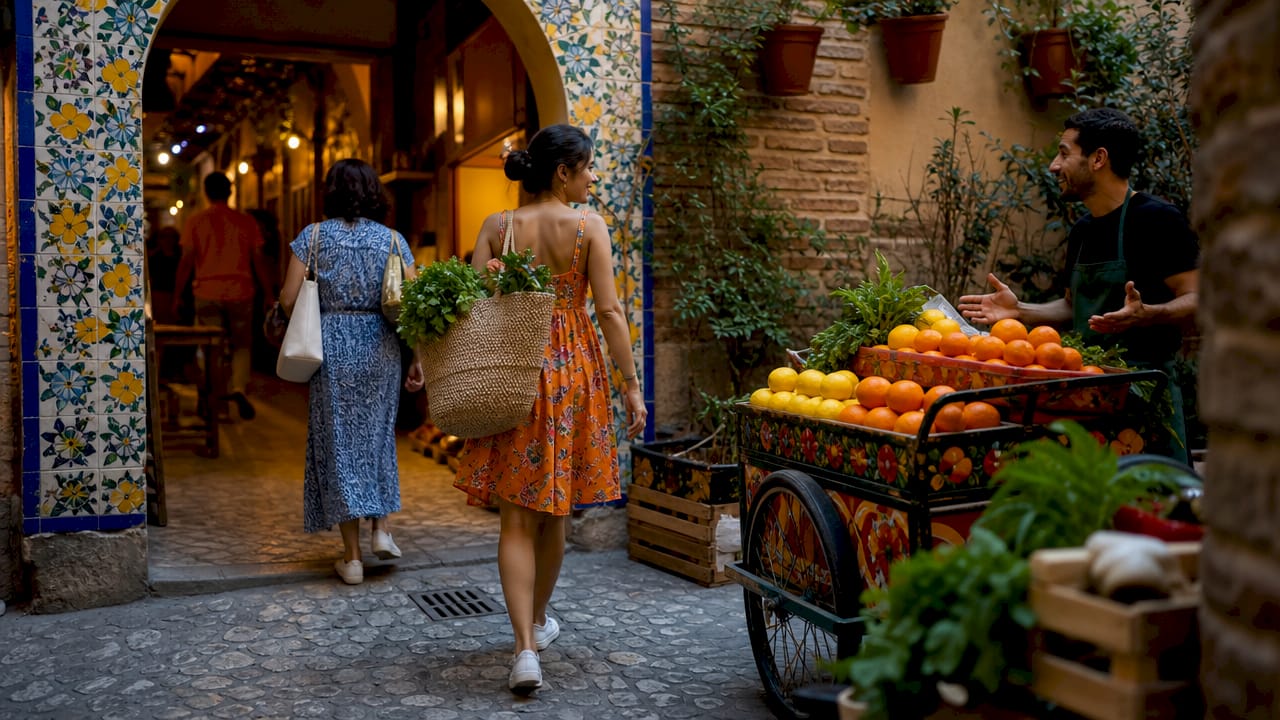
Pro Tip: Skip the fruit cups near the main entrance. They are priced for tourists. Head deeper into the market for the fresh juice counters and Catalan specialities like botifarra sausage and aged Manchego.
Local markets reflect the character of their neighbourhoods, offering cultural immersion beyond simple food shopping. La Boqueria is no exception. The stalls near the back of the market are where you find the real produce vendors, the ones supplying restaurant kitchens rather than selling to passing visitors.
How does La Boqueria compare with other Barcelona markets?
| Market | Best for | Crowd level |
|---|---|---|
| Mercat de la Boqueria | Spectacle, seafood, tapas | Very high |
| Mercat de Sant Antoni | Local shopping, weekend book market | Low to moderate |
| Mercat del Ninot | Everyday produce, neighbourhood feel | Low |
Local shoppers consistently prefer Mercat de Sant Antoni and Mercat del Ninot over La Boqueria. Both offer a more authentic experience with far less tourist traffic.
2. Why El Raval is Barcelona’s top multicultural food hub
El Raval is the most multicultural culinary neighbourhood in Barcelona. 47.4% of its residents were born abroad, and the area hosts over 50 ethnic communities within a compact urban footprint. That density of cultures produces a food scene unlike anywhere else in the city.
Street-level eateries in El Raval serve Moroccan bocatas from as little as €4, alongside Pakistani dhal, Sri Lankan rice plates, and Filipino snacks. The fusion of global cuisines in Barcelona is best understood here, where different culinary traditions sit side by side rather than in separate enclaves. You can eat your way around the world within a few streets.
- Moroccan and Middle Eastern bakeries selling flatbreads and pastries
- South Asian restaurants specialising in vegetarian thali and biryani
- Latin American spots offering ceviche, arepas, and empanadas
- Pakistani tea houses serving chai and street snacks
Pro Tip: Walk down Carrer de Sant Pau and Carrer dels Tallers on a weekday lunchtime. These streets concentrate the most affordable and authentic ethnic eateries in the neighbourhood, away from the tourist-facing bars on the main drag.
El Raval rewards the food enthusiast who is willing to look past the surface. The best meals here cost very little and arrive with no fanfare. That is precisely the point.
3. Which neighbourhoods offer the best tapas bars?
El Born, the Gothic Quarter, and Gràcia each offer a distinct version of Barcelona’s tapas culture. El Born is the most polished of the three, with a concentration of well-run tapas bars, natural wine spots, and cocktail bars within a few minutes’ walk of each other. The neighbourhood attracts a younger local crowd and has a genuine energy on weekday evenings.
The Gothic Quarter trades on history. Its narrow medieval streets contain taverns that have been serving classic Catalan dishes for generations. Patatas bravas, pan con tomate, and croquetas de jamón are the staples here. The atmosphere is dense and atmospheric, though some streets near the cathedral attract heavy tourist foot traffic.
Gràcia sits further from the centre and feels noticeably more local. The neighbourhood’s squares, particularly Plaça de la Vila de Gràcia and Plaça del Sol, fill with residents in the early evening. The tapas bars here lean towards farm-to-table and modern Mediterranean, with seasonal menus that change frequently.
Weekday evenings are the best time for authentic tapas hopping. Locals frequent traditional taverns from monday to wednesday, when tourist numbers drop and the atmosphere shifts noticeably.
Pro Tip: Organised tapas tours cover 10 or more traditional dishes across three family-run venues, with local drinks including cava and vermouth included. They cover roughly 2 km over 2.5 hours and cost around $69. For first-time visitors, this is the most efficient way to understand the neighbourhood differences.
4. What distinguishes Barcelona’s Michelin-starred restaurants?
Barcelona’s fine dining scene is defined by theatrical ambition. Disfrutar is the clearest example of this, with tasting menus that use techniques like transparent gelatine, edible illusions, and interactive courses to engage every sense. The restaurant was founded by former elBulli chefs and has held multiple Michelin stars for several years running.
Top dining experiences in Barcelona increasingly resemble theatrical performances, where the meal is structured as a narrative rather than a sequence of dishes. This approach blends Mediterranean flavours with modern presentation techniques that challenge what diners expect from a plate of food.
- Book Disfrutar at least three months in advance. Tables go quickly and the restaurant does not hold reservations for walk-ins.
- Dress code is smart casual. The room is relaxed in atmosphere despite the technical complexity of the food.
- Budget for a full evening. Tasting menus typically run three hours or longer.
- Pair the experience with a pre-dinner drink in the Eixample neighbourhood, which surrounds the restaurant.
Pro Tip: Ask for the wine pairing when booking rather than ordering by the glass. The sommelier team at Disfrutar selects bottles that are not available on the standard list, and the pairing adds genuine depth to the tasting menu experience.
The broader Michelin-starred scene in Barcelona extends well beyond Disfrutar. Restaurants like Lasarte, ABaC, and Moments each offer distinct interpretations of Catalan haute cuisine, from classical technique to contemporary reinterpretation.
5. When is the best time to visit for seasonal food culture?
Barcelona’s food calendar has a clear highlight in the winter months. Peak season for traditional calçotada culture runs from january through march, when calçots, a variety of spring onion, are grilled over open flames and served with romesco sauce. This is not a tourist attraction. It is a deeply local ritual that takes place at farmhouses and restaurants across Catalonia.
Attending a calçotada outside the city, in the Alt Camp or Conca de Barberà regions, gives you direct access to the tradition in its original setting. Several Barcelona restaurants also host calçotada evenings during this period, which is a practical alternative if you cannot travel further afield.
The summer months bring a different rhythm. Outdoor food markets, neighbourhood festivals, and late evening dining on terraces define the june to september period. Restaurants extend their hours significantly, and the city’s food culture shifts outdoors.
6. How does Barcelona’s street food scene compare with its restaurant culture?
Barcelona’s street food culture sits at the intersection of tradition and global influence. Traditional Catalan street food centres on items like churros, bocadillos, and grilled meats from market stalls. The multicultural food scene adds layers of Indian, Moroccan, and Latin American street food that have become permanent fixtures in certain neighbourhoods.
The restaurant culture, by contrast, is more structured. Barcelona operates on a later dining schedule than most northern European cities. Lunch runs from 2pm to 4pm and is the main meal of the day for many locals. Dinner rarely starts before 9pm, and restaurants fill up between 9:30pm and 11pm. Arriving at 7pm for dinner places you firmly in tourist territory.
Street food and restaurant dining are not competing options in Barcelona. They serve different moments in the day. A market breakfast, a street food lunch in El Raval, and a sit-down dinner in El Born is a perfectly calibrated day of eating.
Key takeaways
Barcelona’s top foodie destinations reward food enthusiasts who combine market visits, multicultural neighbourhood eating, and at least one serious restaurant booking.
| Point | Details |
|---|---|
| La Boqueria timing matters | Enter via side alleys before 9am to avoid queues and access the most authentic stalls. |
| El Raval for multicultural eating | With 47.4% of residents born abroad, El Raval offers the city’s most affordable and diverse street food. |
| Weekday evenings for tapas | Locals dominate tapas bars monday to wednesday; weekends skew heavily towards tourists. |
| Book Disfrutar months ahead | Michelin-starred tasting menus at Disfrutar require advance booking of at least three months. |
| Seasonal calçotada in winter | january to march is the best period to experience traditional Catalan calçotada culture. |
What I have learned from eating my way through Barcelona
Barcelona’s food scene is genuinely one of the best in Europe, but it punishes lazy planning. The tourists who queue for 20 minutes at La Boqueria’s main entrance, pay inflated prices for fruit cups, and then conclude the market is overrated are not wrong. They just did not know where to look.
The city rewards preparation. Knowing that learning basic Catalan phrases significantly improves service quality in family-run restaurants is the kind of detail that changes a meal. Saying gràcies and bon profit in a neighbourhood tavern in Gràcia signals that you are not just passing through. The response from staff is immediate and genuine.
My strongest recommendation is to resist the urge to concentrate everything in the Gothic Quarter and Las Ramblas. Those areas exist for tourists, and the food reflects that. The real Barcelona food culture lives in El Raval at lunchtime, in El Born on a tuesday evening, and in Gràcia on a sunday morning when the market squares fill with locals. Add one serious restaurant booking, whether Disfrutar or one of the other Michelin-starred options, and you have a food itinerary that covers every register the city offers.
The multicultural food scene is also consistently underrated by food guides that focus on Catalan cuisine alone. El Raval’s ethnic food communities produce some of the most interesting eating in the city, and the prices are a fraction of what you pay in tourist-facing restaurants. Spend at least one full lunchtime there before you leave.
— YellowRock
Desigallibcn: Indian street food in the heart of Barcelona
Barcelona’s multicultural food scene has a standout addition for food enthusiasts who want to go beyond Catalan and Mediterranean flavours.
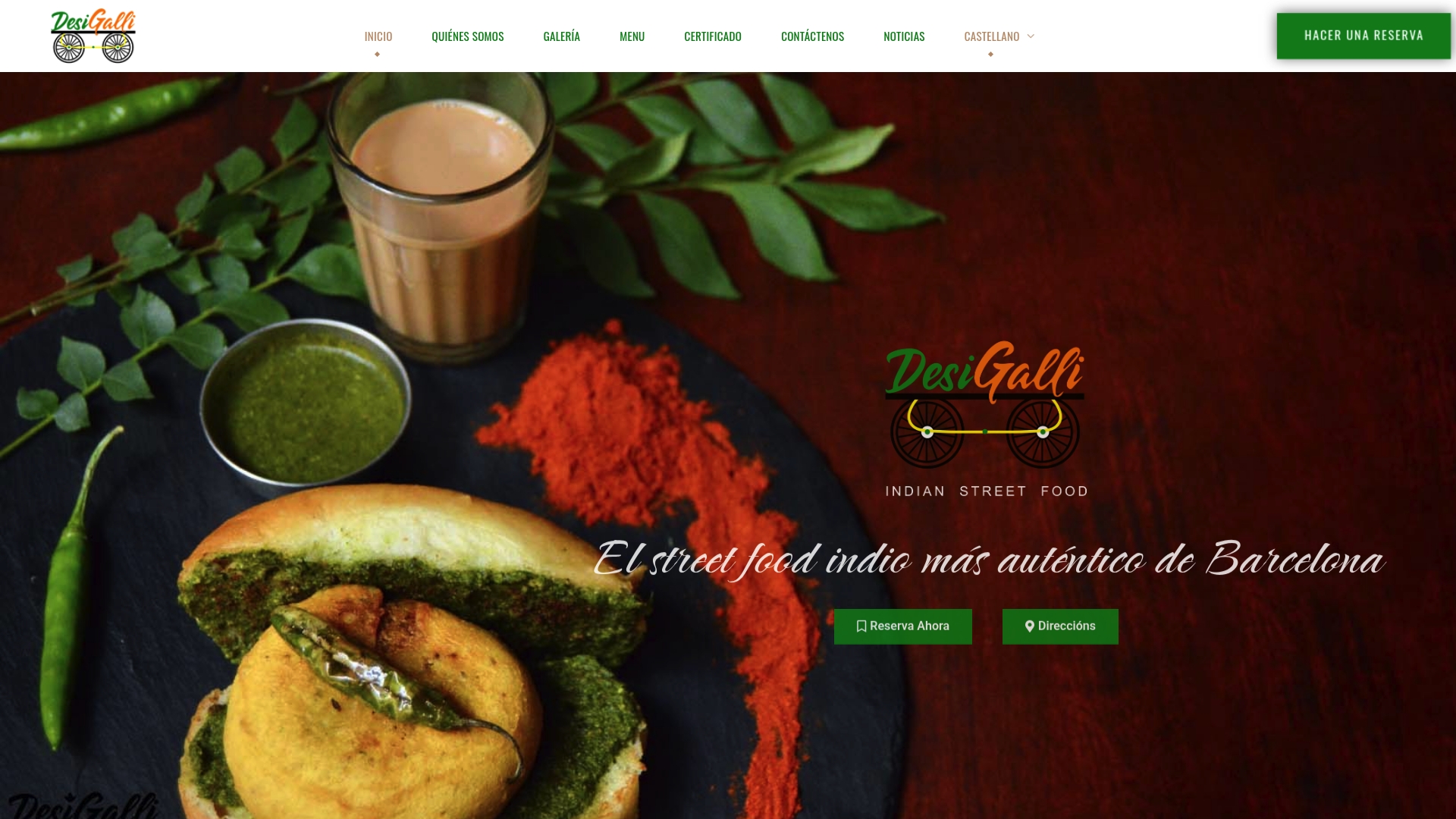
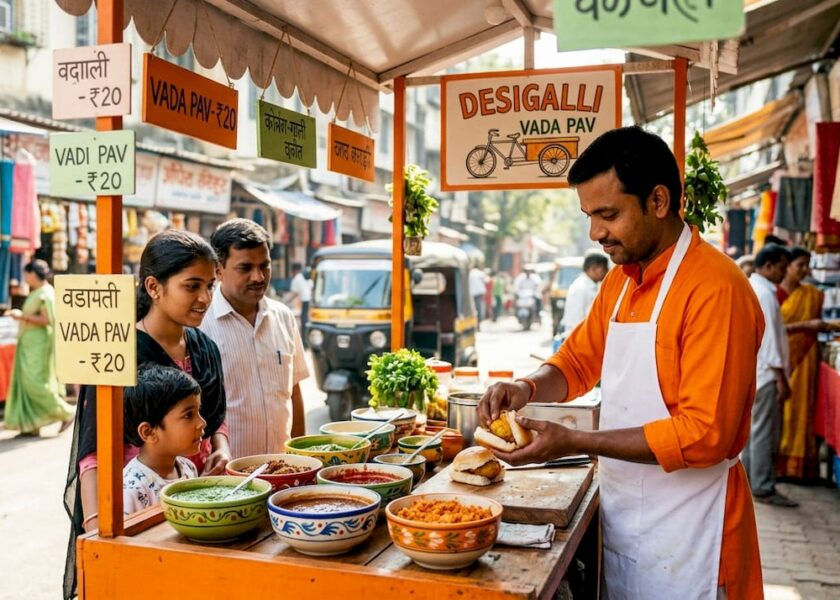
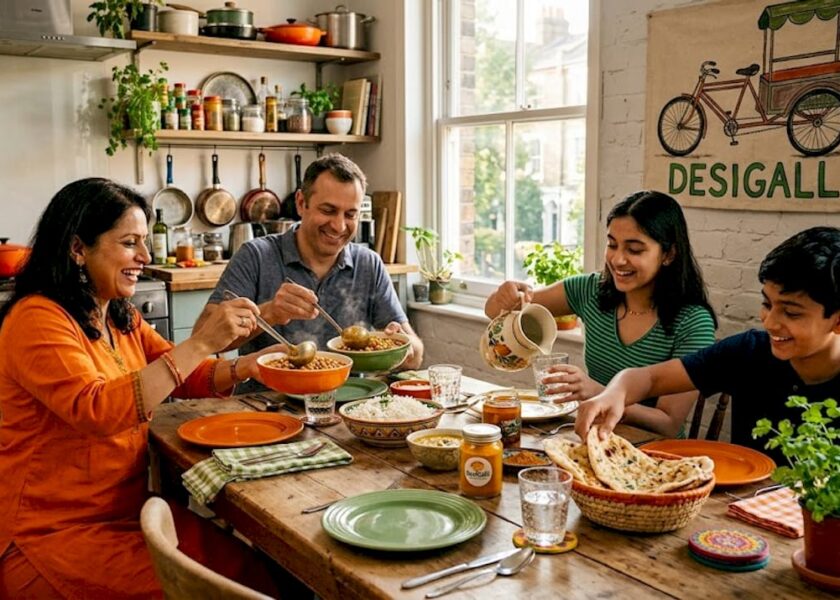
Desigallibcn brings authentic Indian street food to the centre of Barcelona, with a menu built around samosas, chaat, curries, and a strong selection of vegetarian and vegan dishes. The atmosphere reflects the energy of an Indian street market, which makes it a natural fit for the city’s diverse culinary culture. If you are planning a food-focused trip and want to experience Indian street food alongside Barcelona’s local flavours, Desigallibcn is the place to book. Reservations are available directly through the website.
FAQ
What is the best food market in Barcelona?
Mercat de la Boqueria is the most famous, with over 200 stalls and roughly 45,000 daily visitors at peak times. For a more local experience, Mercat de Sant Antoni and Mercat del Ninot are preferred by Barcelona residents.
Which Barcelona neighbourhood has the most diverse food scene?
El Raval is the most multicultural food neighbourhood in the city. With 47.4% of residents born abroad and over 50 ethnic communities, it offers the widest range of affordable international cuisines in Barcelona.
When should I visit Barcelona for the best food experiences?
january to march is ideal for traditional calçotada culture. For tapas and general dining, weekday evenings from monday to wednesday offer the most authentic local atmosphere across all neighbourhoods.
How far in advance should I book Disfrutar?
Book at least three months ahead. Disfrutar is Barcelona’s most celebrated Michelin-starred restaurant and does not hold tables for walk-in diners.
Is Barcelona a good destination for vegetarian food tourists?
Barcelona offers strong vegetarian options across all price points, from South Asian vegetarian restaurants in El Raval to dedicated plant-based menus at several Michelin-starred venues. Desigallibcn also specialises in vegetarian and vegan Indian street food in the city centre.
Recommended
- Street Food en Barcelona: Sabores, Opciones y Tendencias – Desi Galli
- Cómo organizar salida gastronómica en Barcelona paso a paso – Desi Galli
- Checklist experiencias culinarias auténticas Barcelona 2026 – Desi Galli
- Why eat plant-based in Barcelona: your health guide – Desi Galli