
Indian street food is a structured sensory system built on contrasting tastes, textures, and aromas that reflect centuries of culinary tradition across a subcontinent of extraordinary diversity. The reasons to why embrace Indian street flavors go far beyond novelty. From the tangy tamarind of pani puri to the smoky char of a freshly grilled seekh kebab, these dishes carry the identity of entire communities. Exploring Indian street cuisine means engaging with a living, evolving food culture that connects urban life, migration, memory, and craft in every single bite.
Why embrace indian street flavours: the sensory logic behind the food
Indian street snacks are designed for immediate sensory impact through deliberate contrasts in texture and taste. That design is not accidental. It reflects a sophisticated culinary philosophy where every element serves a purpose.
The most recognisable framework for this is chaat. Rather than a fixed dish, chaat is a modular flavour system where crisp papdi, soft chickpeas, cooling yoghurt, and sharp tamarind chutney combine in proportions that shift by region, vendor, and season. The result is a layered experience that hits multiple taste receptors at once.
These contrasts define the appeal of popular Indian street dishes:
- Crisp versus soft: Samosas and bhel puri pair fried shells or puffed rice with yielding fillings or chutneys.
- Tangy versus sweet: Tamarind and jaggery appear together in dozens of street snacks, creating a push-pull that keeps you eating.
- Heat versus cooling: Spiced fillings are balanced by mint chutney, yoghurt, or cucumber to prevent palate fatigue.
- Dry versus wet: Sev and crisp noodles contrast with liquid chutneys and soft vegetables in dishes like dahi puri.
This expressive flavour system is why unique Indian street snacks feel so dynamic. Each mouthful changes as the components combine differently.
Pro Tip: When assessing a street snack, look for at least three distinct textural elements. A well-balanced chaat or similar dish should deliver crunch, softness, and a liquid component simultaneously. If only one texture dominates, the balance is off.
How does indian street food reflect culture and community?
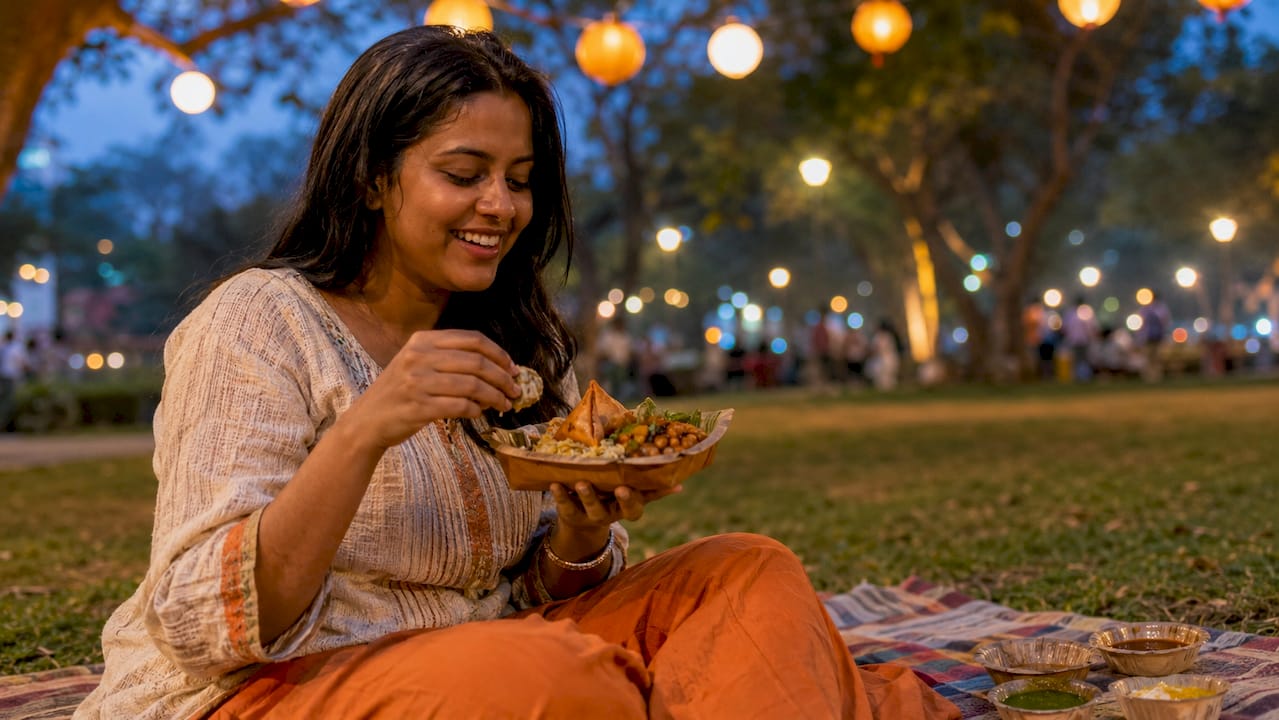
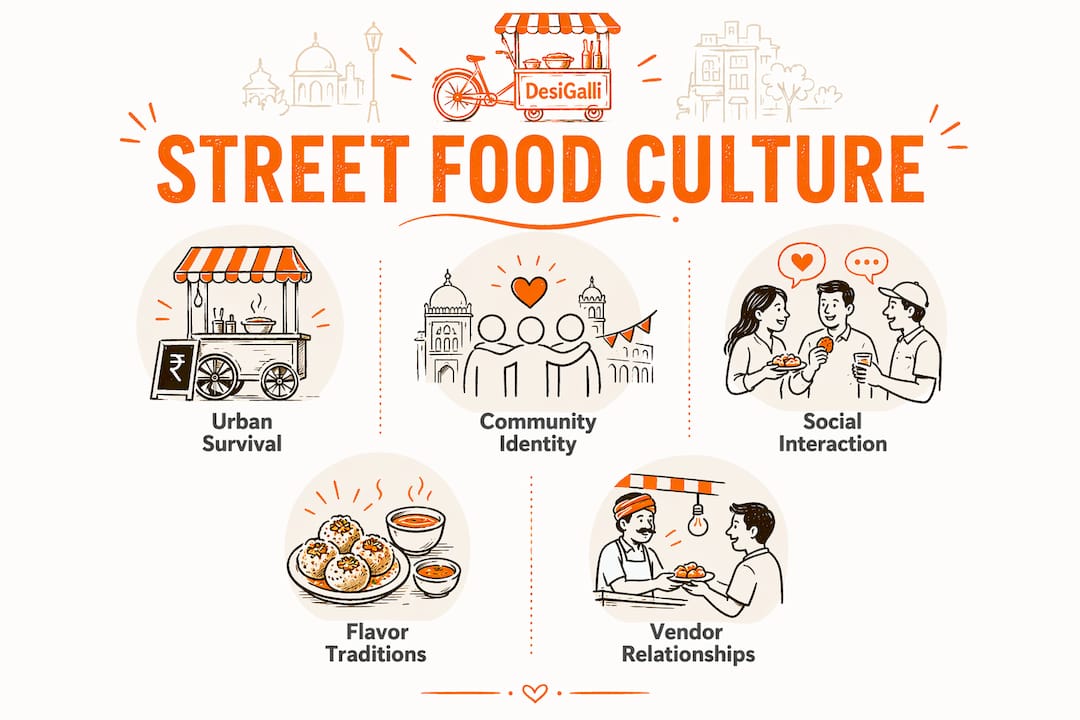
Street food in India is a social institution, not just a meal. Ethnographic research on Delhi vendors shows that street vending is simultaneously contested and central to urban life. Vendors negotiate their right to exist in public spaces through daily practice, community relationships, and increasingly through digital presence via food blogs and video content.
The cultural significance runs deeper than commerce. Consider these dimensions of Indian street food culture:
- Migration and survival: Many iconic street foods were created by migrants who brought regional recipes to new cities and adapted them to local tastes and available ingredients.
- Regional identity: Kolkata’s kathi rolls differ fundamentally from Mumbai’s vada pav, and both differ from Chennai’s sundal. Each reflects the specific spice preferences, agricultural produce, and cultural history of its city.
- Social equaliser: Street food stalls serve students, office workers, and tourists side by side. The shared experience of eating at a roadside counter carries its own social meaning.
- Living heritage: Recipes passed between generations of vendors represent an oral culinary tradition as significant as any written cookbook.
Street food is a living social institution connected to urban survival and identity. Understanding this context transforms a simple snack into a meaningful cultural encounter. That is precisely why Indian street food experiences resonate so deeply with cultural explorers.
Is indian street food safe to eat?
Street food safety is a chain of practices from preparation to storage, not just a question of vendor cleanliness. The 2026 WHO/FAO hygiene protocol for street food vendors covers handwashing, clean utensil use, cross-contamination prevention, appropriate serving temperatures, and safe storage. Each stage matters independently.
The regulatory environment in India is also tightening. In 2026, the Food Safety and Standards Authority of India (FSSAI) banned newspaper food wrapping due to ink toxicity and hygiene risks, following incidents in Mumbai. This signals a broader shift towards formal food safety standards within the street food sector.
The idea that street food is inherently unhealthy is a myth worth challenging. A cardiologist with 40 years of experience identifies bhel puri and boiled eggs as street snacks that fit health goals when prepared correctly. Roasted and low-oil options are widely available across Indian street food stalls.
| Safety Factor | What to Look For |
|---|---|
| Handwashing | Vendor uses water and soap visibly before handling food |
| Utensil hygiene | Separate tongs or spoons for raw and cooked items |
| Food temperature | Hot foods served piping hot; cold items kept chilled |
| Packaging | No newspaper wrapping; use of clean paper or biodegradable containers |
| Ingredient freshness | Chutneys and garnishes stored covered; no stale odours |
Pro Tip: Choose vendors with high customer turnover. Fast-moving stalls replenish ingredients frequently, which reduces the risk of food sitting at unsafe temperatures for extended periods.
Why does indian street food smell so irresistible?
Aroma is the earliest sensory cue influencing street food purchase decisions, often more powerful than visual presentation. The smell of frying onions, toasted cumin, or charred bread reaches you before you see the stall. That signal triggers the limbic system, the part of the brain governing emotion and memory, which is why the scent of a particular spice blend can transport you instantly to a specific place or moment.
Indian street cooking amplifies this effect through technique. High-heat methods create Maillard reactions and volatile compounds that produce smoky, roasted notes impossible to replicate at lower temperatures. A tawa-fried paratha or a tandoor-charred kebab carries aromatic complexity that a home oven simply cannot match.
Specific spice blends also carry regional identity. The black salt and dried mango powder in Delhi chaat smell different from the curry leaf and mustard seed tempering of South Indian snacks. These aromatic signatures are not interchangeable. They are the olfactory fingerprint of a place. Exploring street food pairing ideas by aroma profile is one of the most rewarding ways to deepen your understanding of regional Indian cuisine.
The science behind the appeal is straightforward. Aroma constructs flavour and affects willingness to spend, meaning vendors who master their aromatic profile attract more customers and command greater loyalty. The smell is not a side effect of cooking. It is part of the product.
Is indian street food gaining global popularity?
Street food is now a core element of culinary tourism and destination branding worldwide. A 2026 PRISMA bibliometric review analysed 186 articles on street food research and found that studies cluster around cultural tourism and consumer behaviour, with India, Indonesia, and Turkey leading research contributions. That concentration reflects where street food culture is most deeply embedded in national identity and tourism strategy.
Global audiences increasingly seek authentic culinary experiences rather than adapted versions of foreign cuisine. Indian street food benefits from this shift because its flavours are genuinely distinct and difficult to replicate outside their original context. The benefits of Indian street food for cultural explorers include:
- Authenticity: Street food represents recipes that predate restaurant culture and have not been softened for international palates.
- Accessibility: Most street dishes cost very little and require no reservation or formal dining knowledge.
- Variety: A single street market in Mumbai or Jaipur can offer 20 or more distinct regional snacks within a few metres.
- Conversation: Ordering from a vendor is a social act that opens dialogue about ingredients, preparation, and local custom.
For food enthusiasts exploring Indian street flavours outside India, the practical approach is to research vendors by community reputation rather than tourist guides alone. Seek out why Indian street food is popular in your own city, because diaspora communities often maintain the most authentic preparation methods. Understanding the sensory dimensions of culinary experiences also helps you engage more meaningfully with what you are tasting.
Key takeaways
Indian street food is a sophisticated flavour system rooted in cultural identity, sensory design, and evolving food safety standards that reward curious and informed exploration.
| Point | Details |
|---|---|
| Flavour design is intentional | Chaat and similar snacks use contrasting textures and tastes to deliver layered sensory impact. |
| Culture is embedded in every dish | Regional variations in Indian street food reflect migration, identity, and urban history. |
| Safety is a full chain | WHO/FAO 2026 protocols cover preparation, handling, serving, and storage as equally important stages. |
| Aroma drives purchase decisions | High-heat cooking and aromatic spice blends create emotional and memory responses before the first bite. |
| Global interest is rising | A 2026 bibliometric review of 186 studies confirms street food research is growing, led by India, Indonesia, and Turkey. |
The flavour complexity most diners never notice
Most food writing about Indian street food focuses on heat and spice. That framing misses the point entirely. The real sophistication lies in balance, not intensity.
What strikes me most about Indian street snacks is how precisely they are calibrated. A well-made pani puri is not simply spicy water in a crisp shell. It is a sequence of sensations: the crack of the shell, the cold rush of tamarind water, the soft give of the filling, and the slow build of chilli heat that arrives after you have already swallowed. That sequence is engineered. It is the result of generations of refinement by vendors who understood sensory design before the term existed.
The cultural dimension is equally underappreciated. When you eat at a street stall in Delhi or Kolkata, you are participating in a social ritual that has sustained communities through economic hardship, urban displacement, and cultural change. The vendor behind the counter is often a custodian of a recipe that has never been written down. That knowledge deserves respect, not just appetite.
My honest view is that the health concerns around street food are real but manageable. The 2026 WHO/FAO hygiene protocols exist because the risks are documented. But dismissing street food as unsafe is a failure of nuance. The same cardiologist who flags risks also recommends bhel puri as a genuinely healthy option. The answer is not avoidance. It is informed engagement.
Embrace these flavours with curiosity and care. Ask the vendor what is in the chutney. Notice the aroma before you taste. Pay attention to the textures. That level of attention is what separates a meal from an experience.
— YellowRock
Taste authentic indian street flavours at Desigallibcn
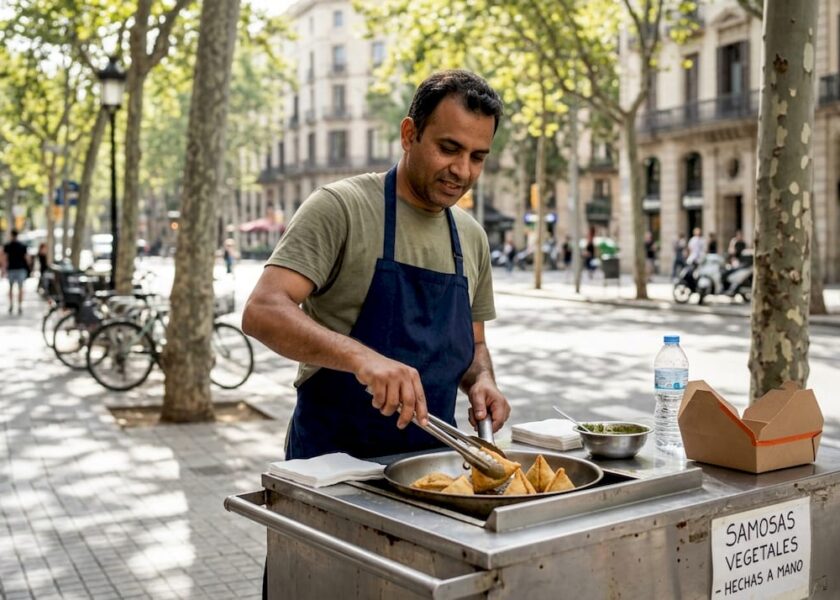
Desigallibcn brings the full sensory range of Indian street food to Barcelona, from crisp samosas and layered chaat to bold curries and vibrant vegetarian options. Every dish on the menu reflects the same flavour principles described in this article: deliberate contrast, aromatic depth, and regional authenticity.
If you are ready to move from reading about Indian street food to tasting it, the Indian street food flavours page at Desigallibcn gives you a full picture of what is on offer, including the cultural rituals behind each dish. You can also explore the Indian food classics menu for samosas, chaat, and more, all prepared with the care and authenticity that street food deserves.
FAQ
What makes indian street food flavours so distinctive?
Indian street food uses deliberate contrasts in texture, temperature, and taste to create layered sensory experiences. Chaat, for example, is a modular flavour system that combines crisp, soft, tangy, sweet, and spicy elements simultaneously.
Are there health benefits to eating indian street food?
Several Indian street snacks fit health goals when prepared correctly. A cardiologist with 40 years of experience identifies bhel puri and boiled eggs as healthy street food options that balance taste, nutrition, and budget.
How do i choose a safe street food vendor?
Look for vendors with high customer turnover, visible handwashing, and covered ingredients. The 2026 WHO/FAO protocol confirms that safety depends on the full chain from preparation to storage, not vendor appearance alone.
Why is indian street food becoming popular globally?
A 2026 bibliometric review of 186 studies found that street food research clusters around cultural tourism, with India leading contributions. Global travellers increasingly seek authentic culinary experiences, and Indian street food delivers regional identity that cannot easily be replicated elsewhere.
What is the role of aroma in indian street food?
Aroma is the first sensory signal that draws people to a street food stall, engaging the limbic system to trigger emotion and memory. High-heat cooking techniques create complex volatile compounds that give Indian street food its distinctive smoky, roasted character.
Recommended
- What is Mumbai street food: a cultural guide – Desi Galli
- Indian street food: Flavours, rituals and where to try in Barcelona – Desi Galli
- Advantages of street food experience: a global guide – Desi Galli
- Indian flavours: Authentic tastes and culinary secrets – Desi Galli