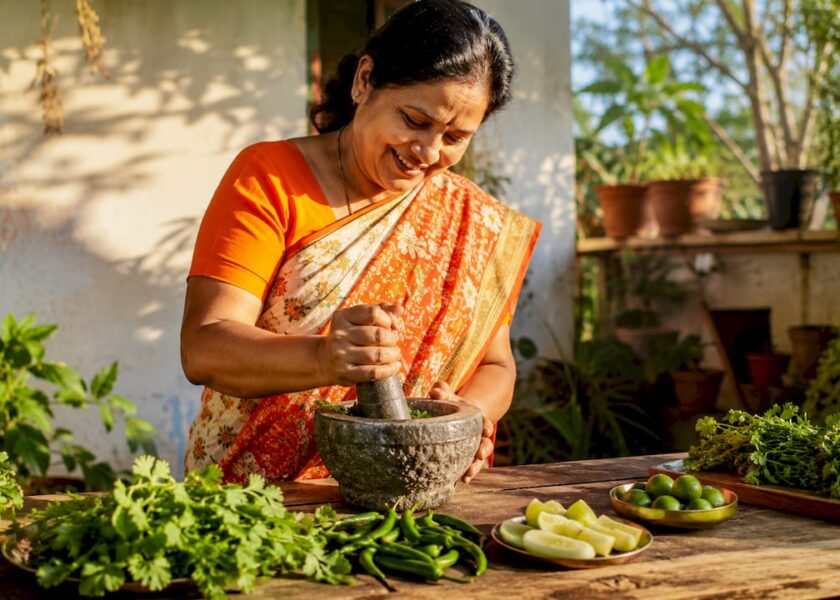

Street flavours are the direct sensory expression of a community’s history, economy, and identity, compressed into a single bite. Understanding why street flavours matter goes far beyond appreciating a tasty snack. These flavours carry migration stories, climate adaptations, and social bonds that formal dining rarely captures. Olfactory influence accounts for 60–70% of flavour perception, which means the open-air aromas of a street stall are not incidental. They are the experience itself.
Why street flavours matter: the science of taste memory
Street food tastes different because your brain processes it differently. Olfactory signals shape 60–70% of what you perceive as flavour, and street cooking environments amplify this effect dramatically. Professional street stalls use intense, direct heat to achieve char, caramelisation, and smoke that enclosed kitchens rarely replicate.
Hunger also changes the equation. When you approach a street stall after walking through a market, your dopamine system is already primed. Hunger amplifies taste pleasure at a neurological level, making every bite register more intensely than the same dish eaten in a calm restaurant setting.
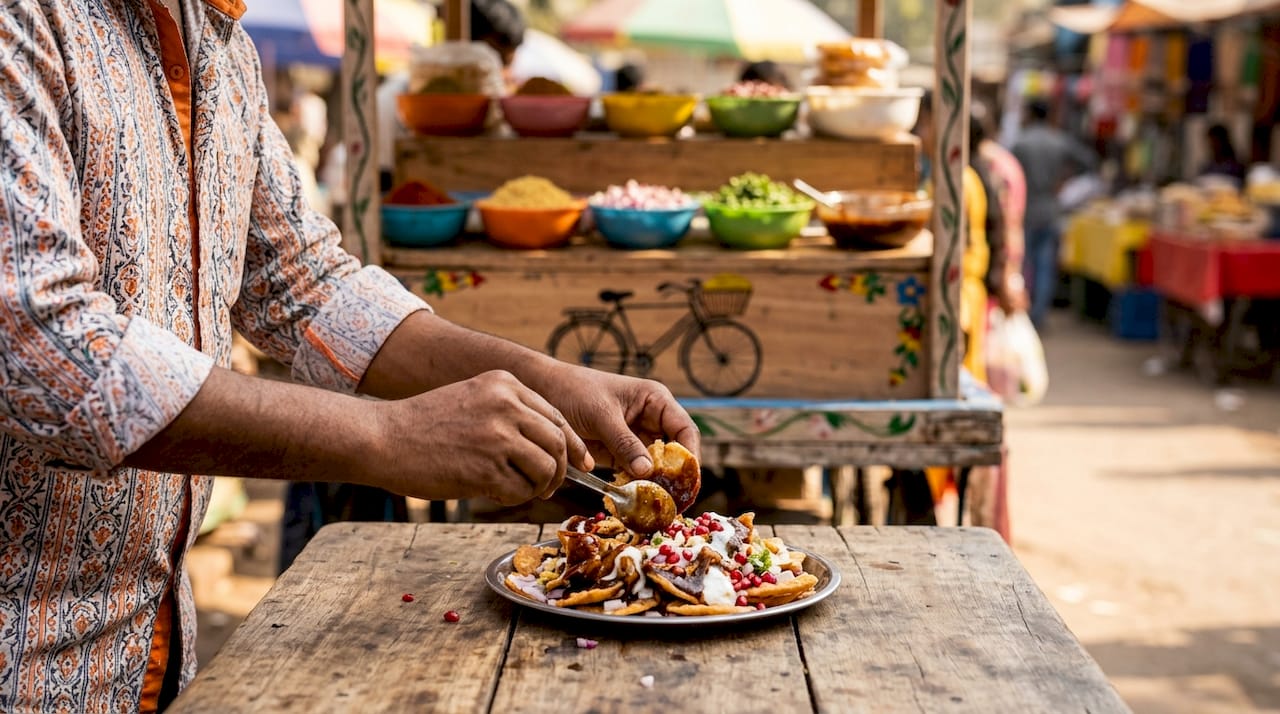
The combination of fats, spices, and layered aromatics creates what food scientists call multi-receptor stimulation. Your tongue, nose, and even pain receptors (activated by capsaicin) fire simultaneously. That simultaneous firing is what makes a plate of chaat or a freshly fried samosa feel more alive than a comparable dish plated in a formal kitchen.
Street food memories are more vivid because of a process called encoding specificity. The brain links taste to the full sensory environment: the heat, the noise, the vendor’s movements. Quiet, controlled dining rooms produce fewer of these contextual anchors, which is why a street meal eaten in Mumbai or Barcelona stays with you for years.
Here is what makes street flavours neurologically distinct:
- Olfactory priming: Open-air cooking releases aromatic compounds before you even order, preparing your brain to receive flavour more intensely.
- Hunger amplification: Eating while genuinely hungry increases dopamine release, heightening perceived taste quality.
- Multi-receptor activation: Spice, fat, acid, and heat stimulate several sensory pathways at once, creating layered, memorable sensations.
- Environmental encoding: Noise, heat, and visual activity create durable memory anchors tied directly to the taste experience.
Pro Tip: Visit a street food stall before a sit-down meal, not after. Hunger is the most underrated flavour enhancer available to any food explorer.
What is the cultural significance of street flavours?
Street food vendors are cultural custodians, not just cooks. Street food acts as a living archive mapping historical migration, trade routes, and cultural adaptation across generations. A vendor selling pani puri in a Barcelona market is transmitting a recipe lineage shaped by centuries of Indian culinary history.
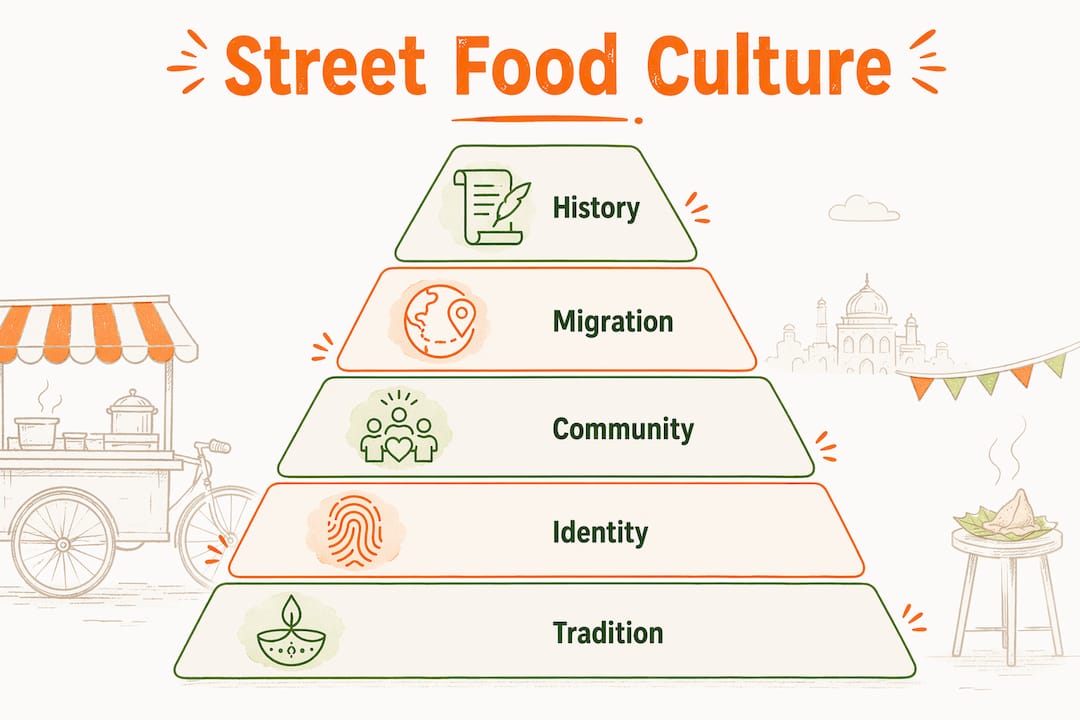
The democratic nature of street dining is equally significant. A plastic stool at a roadside stall places a student next to a banker, a tourist next to a local. That physical proximity creates a shared identity space that expensive restaurants cannot manufacture. Street-style dining creates intimate spaces that bridge cultural and linguistic divides, building social cohesion through shared recipes and preparation rituals.
Street food also reflects resilience. Vendors operating under economic pressure, limited equipment, and variable ingredients produce flavours that adapt daily. This adaptability is not a weakness. It is the mechanism through which culinary traditions survive urban change and globalisation.
“Street food should not be judged by a fixed authenticity checklist, but as a dynamic archive reflecting historical migration and evolving urban contexts.” — Street food and cultural resilience
The social dimension of street food and community runs deeper than casual dining:
- Cultural transmission: Recipes pass from vendor to vendor, family to family, preserving techniques that cookbooks rarely document.
- Social levelling: Shared outdoor eating removes class and cultural barriers faster than any formal dining setting.
- Economic inclusion: Street food gives communities access to flavour diversity at low cost, making culinary culture genuinely public.
- Urban identity: Street food clusters become unofficial landmarks, shaping how residents and visitors understand a neighbourhood.
You can read more about street food as social dining and why that shared dimension is inseparable from the flavours themselves.
Why are spice and heat central to street food flavours?
Spice is not decoration in street food. It is a functional ingredient with sensory, practical, and cultural roles that explain its dominance across global street food traditions. Capsaicin from chilli peppers increases saliva production, which distributes flavour compounds more evenly across the palate. More saliva means more flavour contact, which means a more intense eating experience.
Capsaicin also triggers endorphin release. The mild pain signal sent to the brain prompts a natural pleasure response, which is why spicy food creates a form of mild euphoria. That cycle of heat and relief is addictive in the most literal neurological sense.
Spice also served a preservation function in warm climates before refrigeration. Certain compounds in chilli and turmeric slow bacterial growth slightly, giving vendors in hot environments a practical reason to cook with them. Climate adaptation reinforced cultural preference, and cultural preference became culinary identity.
Here is how spice functions across street food contexts:
- Flavour enhancement: Spices like cumin, coriander, and turmeric add depth that salt alone cannot achieve.
- Saliva stimulation: Capsaicin increases saliva, spreading flavour compounds across more taste receptors.
- Endorphin release: Heat triggers a mild pain-pleasure cycle that makes spicy food genuinely pleasurable to repeat.
- Cooling through sweating: In hot climates, spicy food induces sweating, which cools the body. This is a physiological adaptation, not a cultural coincidence.
- Affordable flavour density: A small quantity of spice transforms inexpensive ingredients into complex, satisfying dishes.
| Spice | Primary function | Common street food use |
|---|---|---|
| Capsaicin (chilli) | Saliva stimulation, endorphin release | Curries, chutneys, marinades |
| Cumin | Aroma, digestive support | Chaat masala, spice blends |
| Turmeric | Colour, mild preservation | Fried snacks, rice dishes |
| Coriander | Citrus-like brightness | Garnishes, spice bases |
Pro Tip: When tasting spicy street food, eat it with the sauce or chutney it comes with. Vendors design the heat level and the cooling element together. Separating them loses half the flavour architecture.
The role of spices in street snacks is worth understanding in depth, particularly if you want to appreciate why Indian street food achieves such layered complexity from relatively simple ingredients.
How are street food tasting experiences changing flavour appreciation?
Structured street food tasting experiences have grown significantly as a format for cultural immersion. These experiences last 4–5 hours, include 5–6 courses, and keep group sizes between 4–10 people. That small scale allows guides to take participants to family-run stalls that casual visitors never find.
The shift from casual street eating to curated tasting matters for flavour appreciation. When you eat with context, understanding the vendor’s background, the dish’s regional origin, and the spice logic behind each bite, your brain processes the flavour more richly. Context is not just intellectual. It changes the sensory experience itself.
Motorbike-led and omakase-style street food tours, now common in cities like Ho Chi Minh City and Singapore, treat street food with the same curatorial seriousness as fine dining. Local organisations in cities including Singapore and Mumbai actively support these experiences, recognising that infrastructure support for street food clusters transforms them into thriving economic and cultural hubs. Mumbai’s Mahim Koliwada seafood plaza, run largely by women entrepreneurs, draws weekend crowds exceeding 3,000 customers per site.
What these curated experiences deliver:
- Hidden vendor access: Guides connect participants with family-run stalls operating outside tourist circuits.
- Flavour sequencing: Multi-course formats move from lighter to bolder flavours, building palate appreciation progressively.
- Cultural narration: Guides explain migration history, ingredient sourcing, and cooking technique in real time.
- Community benefit: Spending at small, independent stalls keeps money within local food economies rather than large operators.
Culinary tourism researchers note that local cuisine shapes travel decisions more than almost any other factor for food-focused travellers. Street food sits at the centre of that dynamic, offering authenticity that hotel restaurants cannot replicate.
Key takeaways
Street flavours matter because they combine sensory science, cultural history, and social function into a single, unrepeatable eating experience.
| Point | Details |
|---|---|
| Sensory science drives intensity | Olfactory signals account for 60–70% of flavour perception, making open-air cooking uniquely powerful. |
| Vendors are cultural custodians | Street food maps migration and trade history, transmitting culinary identity across generations. |
| Spice is functional, not decorative | Capsaicin stimulates saliva, releases endorphins, and historically aided preservation in warm climates. |
| Environment creates lasting memory | Encoding specificity links street food taste to its noisy, vivid setting, making memories more durable. |
| Curated experiences deepen appreciation | Structured tastings with small groups and family-run stalls reveal flavour nuance that casual eating misses. |
Street flavours and what they have taught me
Street food is the most honest form of cooking I know. Vendors rely on immediate, consistent flavour quality for survival, with no marketing safety net to compensate for a bad batch. That pressure produces a commercial honesty you rarely find in formal kitchens. When a vendor’s livelihood depends on the next plate tasting right, the flavour is never an afterthought.
What strikes me most is the adaptability. Vendors modulate recipes daily using sensory-driven intuition, responding to humidity, ingredient quality, and crowd feedback without a written recipe in sight. That is not imprecision. That is mastery operating without a safety net.
The social dimension is what converts food lovers into cultural explorers. Sitting at a shared table, eating food shaped by a vendor’s grandmother’s migration story, surrounded by strangers who become temporary companions: that is an experience no tasting menu can engineer. Street food does not just feed you. It places you inside a living culture, briefly but genuinely.
My honest view is that food enthusiasts who skip street food in favour of restaurant dining are missing the most direct route to understanding a place. The flavours from the streets are not a rough draft of fine dining. They are the original text.
— YellowRock
Authentic Indian street flavours at Desigallibcn
Desigallibcn brings the energy and flavour logic of Indian street markets to the centre of Barcelona. The menu draws directly from street food classics: samosas, chaat, curries built on spice layering, and vegetarian and vegan options that reflect the full breadth of Indian culinary tradition.
Every dish at Desigallibcn is designed around the same principles that make street food memorable: bold spice combinations, fresh ingredients, and flavours that register immediately. If you want to understand the cultural significance of Indian street flavours without travelling to Mumbai or Delhi, the Indian street food experience at Desigallibcn is the most direct route available in Barcelona. The full street food menu covers everything from crisp fried snacks to slow-cooked regional curries, all served in a setting that captures the casual, communal spirit of Indian street dining.
FAQ
Why do street flavours taste more intense than restaurant food?
Olfactory signals account for 60–70% of flavour perception, and open-air cooking releases aromatic compounds directly into the environment around you. Hunger and sensory context amplify the effect further.
What makes street food culturally significant?
Street food acts as a living archive of migration and trade, with vendors transmitting recipes and techniques shaped by centuries of cultural exchange. It also creates democratic social spaces where cultural and linguistic barriers dissolve.
Why is street food around the world so spicy?
Capsaicin increases saliva production, distributes flavour more evenly across the palate, and triggers endorphin release. In warm climates, spicy ingredients also provided mild preservation benefits before refrigeration existed.
How do curated street food tours improve flavour appreciation?
Structured tastings lasting 4–5 hours with 5–6 courses give participants context about each dish’s origin and technique. That context changes how the brain processes flavour, making the experience richer than casual eating.
How do street food vendors maintain consistent flavour quality?
Vendors adjust recipes daily using sensory intuition rather than fixed measurements, responding to humidity, ingredient variability, and immediate customer feedback. Their survival depends on getting it right every time.
Recommended
- Why embrace indian street flavours: a cultural guide – Desi Galli
- Street food fusion trends explained for curious eaters – Desi Galli
- Discover pani puri: flavour, ritual and regional diversity – Desi Galli