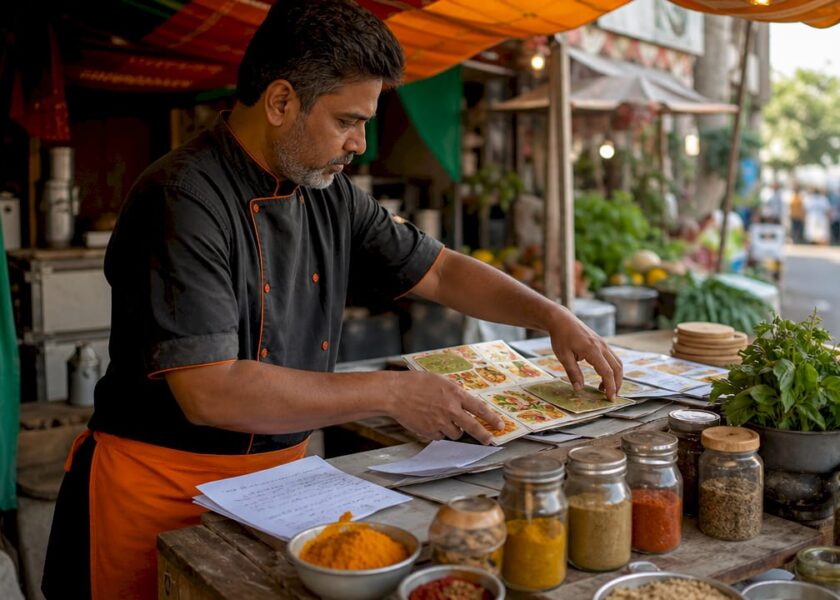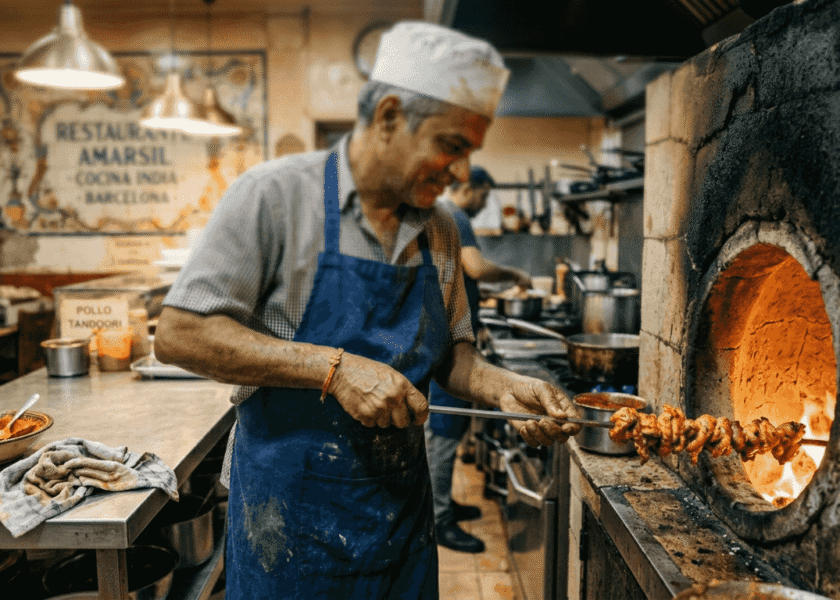

A structured workflow for group dining at an Indian restaurant covers four stages: booking, menu coordination, communication, and day-of logistics. Get any one of these wrong and the experience unravels fast. Groups of six or more face a different set of challenges than couples or small parties. Indian cuisine makes this especially true, because dishes like shareable platters, naans, and family-style curries only work when the whole group sits together and orders in sync. This guide gives you the exact process to make that happen, from the first enquiry to the final bill.
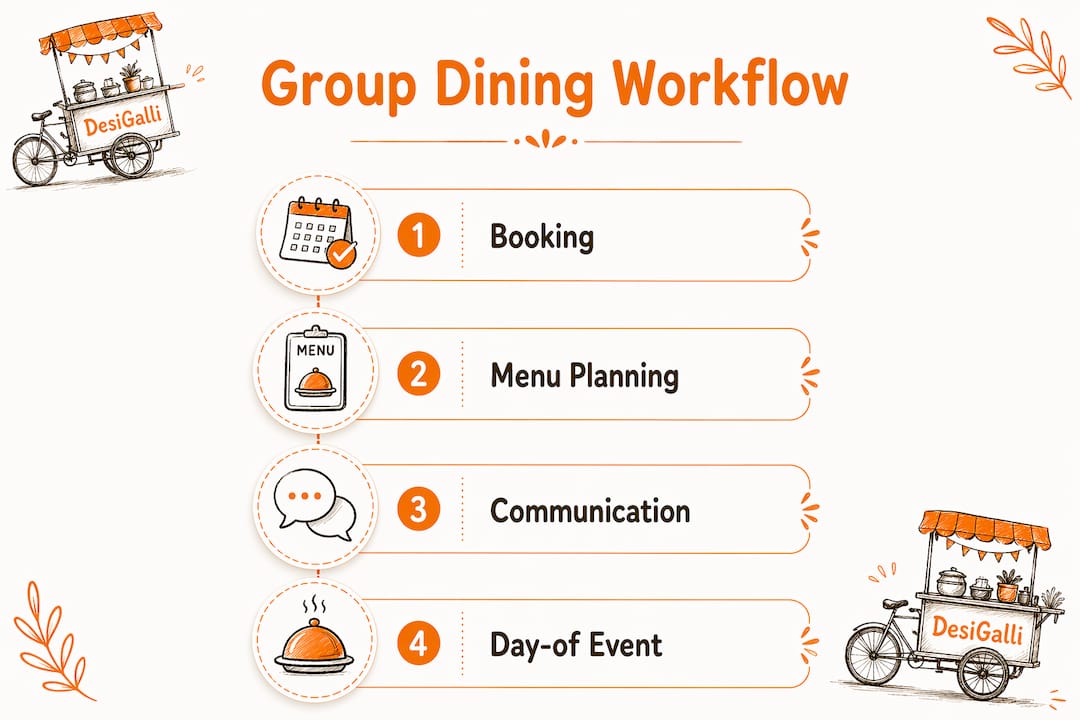
What is the workflow for group dining at an Indian restaurant?
The group dining process at an Indian restaurant follows a clear sequence: confirm numbers, secure the booking with a deposit, agree on the menu format, collect dietary requirements, and brief the restaurant before arrival. Each step feeds the next. Skipping one creates a bottleneck later.
Restaurants define group dining as parties of six or more guests. That threshold triggers a different set of policies, including deposit requirements, pre-order deadlines, and dedicated seating arrangements. Knowing this before you pick up the phone saves time and prevents surprises.
The organiser carries the most responsibility in this process. One person should act as the single point of contact between the group and the restaurant. Clear, single-point communication from organiser to restaurant reduces errors and simplifies coordination for both sides.
What are the essential steps to book an Indian restaurant for a group?
Booking a group table at an Indian restaurant is not the same as a standard reservation. The process involves financial commitments, firm deadlines, and direct communication with management.
- Confirm your group size first. Count confirmed attendees, not maybes. A rough estimate leads to table allocation errors and potential charges for no-shows.
- Contact the restaurant directly. For parties of 12 or more, phone the restaurant directly rather than using an online booking form. Managers handle large groups personally to arrange seating and discuss menu options.
- Pay the deposit. Deposits of 25%–50% of the anticipated bill are standard for group bookings. This protects the restaurant and confirms your commitment. Expect to pay this at the time of booking.
- Check minimum spend policies. Many restaurants set a minimum spend based on the group size and average spend per head. Ask about this upfront to avoid confusion on the night.
- Submit your final headcount 48–72 hours before the event. Restaurants require firm numbers this far in advance for kitchen preparation. Failing to confirm can result in charges based on the original reservation size.
Pro Tip: Ask the restaurant to send a written confirmation that includes the deposit amount, cancellation policy, and minimum spend. This protects both sides and removes ambiguity.
When choosing where to book, look for restaurants with experience in large-group Indian dining. Not every venue is set up to handle communal sharing dishes at scale.
How to coordinate menu selection and dietary needs for group dining?
Menu coordination is where most group dining plans fall apart. Collecting preferences from ten or more people without a clear process produces a chaotic ordering experience and a stressed kitchen.
The solution is to agree on a menu format before the booking is confirmed. Indian restaurants typically offer three options for groups:
- Prix-fixe menus: A set number of courses at a fixed price per head. This is the most efficient format for large parties and removes the need for individual ordering.
- Family-style sharing menus: Large dishes placed in the centre of the table for everyone to share. This suits Indian cuisine perfectly, given that dishes like dal makhani, biryani, and mixed vegetable curries are designed to be shared.
- Limited à la carte: A reduced menu of pre-selected dishes. Guests choose from a shorter list, which speeds up ordering and reduces kitchen load.
Pre-ordering menu choices prevents kitchen bottlenecks and reduces waste. The kitchen knows exact quantities in advance, which means faster service and fewer errors.
Collecting dietary requirements is the organiser’s job. Send a simple message to all attendees asking for vegetarian, vegan, or allergy information at least one week before the event. Indian cuisine is well suited to mixed dietary groups. Dishes like chaat, samosas, and vegetable curries are naturally vegetarian or vegan, which reduces the complexity of catering for different needs.
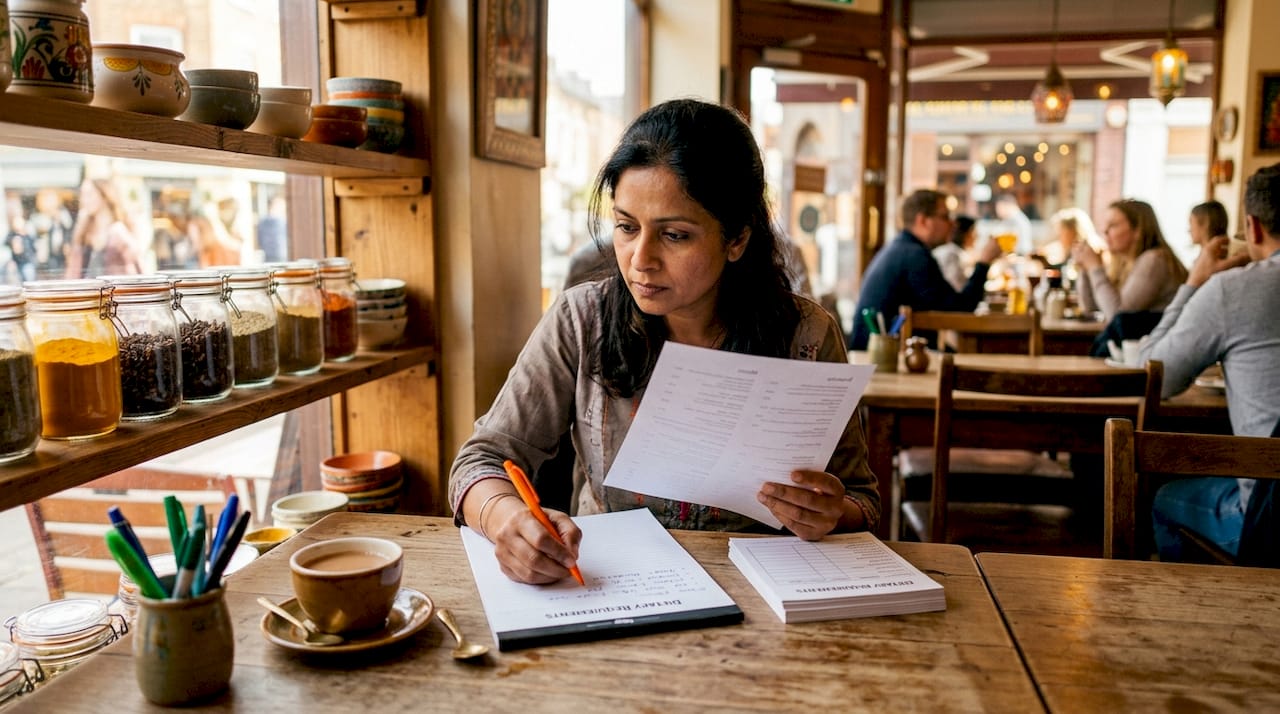
Pro Tip: Create a shared document or group chat thread specifically for dietary requirements. Paste the final list into your confirmation email to the restaurant so there is a written record.
For groups with mixed dietary needs, a vegetarian Indian food focused menu often satisfies the entire table without compromise.
What communication workflows ensure smooth group dining events?
Communication is the backbone of any successful group dining event. A single missed message between organiser and restaurant can result in wrong table sizes, missing dietary notes, or a kitchen unprepared for the group’s arrival.
The most effective communication workflow uses multiple touchpoints across the days leading up to the event:
- Booking confirmation: The restaurant sends a written confirmation immediately after the deposit is paid. This should include date, time, party size, deposit amount, and cancellation terms.
- 48-hour reminder: The organiser contacts the restaurant to confirm the final headcount and any last-minute dietary changes. The restaurant confirms table allocation at this point.
- 24-hour reminder: A brief message to all group members confirming the time, address, and any practical details such as parking or dress code.
- Day-of check-in: The organiser calls or messages the restaurant on the morning of the event to flag any late changes.
Multi-touchpoint communication dramatically reduces no-shows and last-minute cancellations. Each contact point reinforces commitment from both the group and the restaurant.
“Successful group dining depends not only on availability but on the restaurant’s ability to facilitate a shared dining experience, requiring early and accurate guest counts.” — Creekside American Bistro
Cancellation and amendment policies vary by restaurant. Ask about the cut-off time for reducing numbers without penalty. Most venues allow changes up to 48 hours before the event. Changes after that point may incur charges. Understanding this policy early prevents disputes on the night.
How to manage logistics on the day of the group dining event?
Day-of coordination determines whether all the planning pays off. Even a well-organised booking can go wrong if the group arrives without a clear plan.
| Task | Best practice | Why it matters |
|---|---|---|
| Seating confirmation | Verify single-table allocation before arrival | Split seating breaks communal dining for shared dishes |
| Arrival timing | Build in 15–20 extra minutes for the group to gather | Large parties rarely arrive simultaneously |
| Ordering process | Use pre-agreed menu format to avoid delays | Individual ordering for 12+ guests slows service significantly |
| Payment method | Agree on bill-splitting approach before the meal | Sorting payment at the table causes delays and tension |
| Host communication | Speak to the manager or host on arrival | Confirms seating, dietary notes, and service timing |
Confirming single-table seating is non-negotiable for Indian group dining. Dishes like large sharing platters and naans lose their purpose when the group is split across two tables. Raise this at the 48-hour confirmation stage, not on the night.
Pro Tip: Designate one person to handle the bill. Agree in advance whether the group is splitting equally or paying individually. Inform the restaurant at the start of the meal, not at the end.
Building extra time into the schedule for arrival and ordering avoids the rush that turns a relaxed dinner into a stressful one. Book the table 30 minutes before you actually want to eat.
Key takeaways
A structured group dining process, covering booking, menu planning, communication, and day-of coordination, is the single most reliable way to deliver a smooth shared meal at an Indian restaurant.
| Point | Details |
|---|---|
| Define group size early | Parties of six or more trigger deposit and pre-order requirements at most restaurants. |
| Pay a deposit promptly | Deposits of 25%–50% secure the booking and reduce the risk of no-shows for both sides. |
| Pre-order the menu | Submitting menu choices 48–72 hours in advance prevents kitchen bottlenecks and speeds service. |
| Use multi-touchpoint communication | Confirmation, 48-hour, and 24-hour reminders reduce cancellations and keep everyone aligned. |
| Confirm single-table seating | Communal Indian dishes only work when the group sits together at one table. |
Why most group dinners go wrong before anyone arrives
Group dining fails at the planning stage, not at the table. The most common mistake is treating a group booking like a standard reservation and assuming the restaurant will handle the rest. It will not. Event organisers who treat group dinners as mini-events and address timing, dietary restrictions, and communication proactively report far smoother experiences.
The second most common mistake is late headcount updates. Restaurants plan kitchen quantities, staffing, and table layouts based on the numbers you give them. Changing the count the day before, or worse, on the night, creates genuine operational problems. It is not just inconvenient. It can result in charges for the original booking size.
The third mistake is choosing a restaurant without experience in large-group Indian dining. Not every venue can handle a sharing menu for 15 people. Look for restaurants that explicitly offer group menus, have flexible seating arrangements, and assign a dedicated point of contact for large bookings. The festive meal planning considerations that apply to corporate events apply equally here. Timing, dietary variety, and service pacing all need active management.
My honest recommendation: send one detailed email to the restaurant at least a week before the event. Include the confirmed headcount, dietary requirements, preferred menu format, and payment approach. One email beats five phone calls. It creates a paper trail, reduces miscommunication, and signals to the restaurant that you are an organised group worth prioritising.
— YellowRock
Group dining at Desigallibcn: menus and bookings made straightforward
Desigallibcn is Desi Galli’s authentic Indian street food restaurant in the heart of Barcelona, built for exactly this kind of shared dining experience.
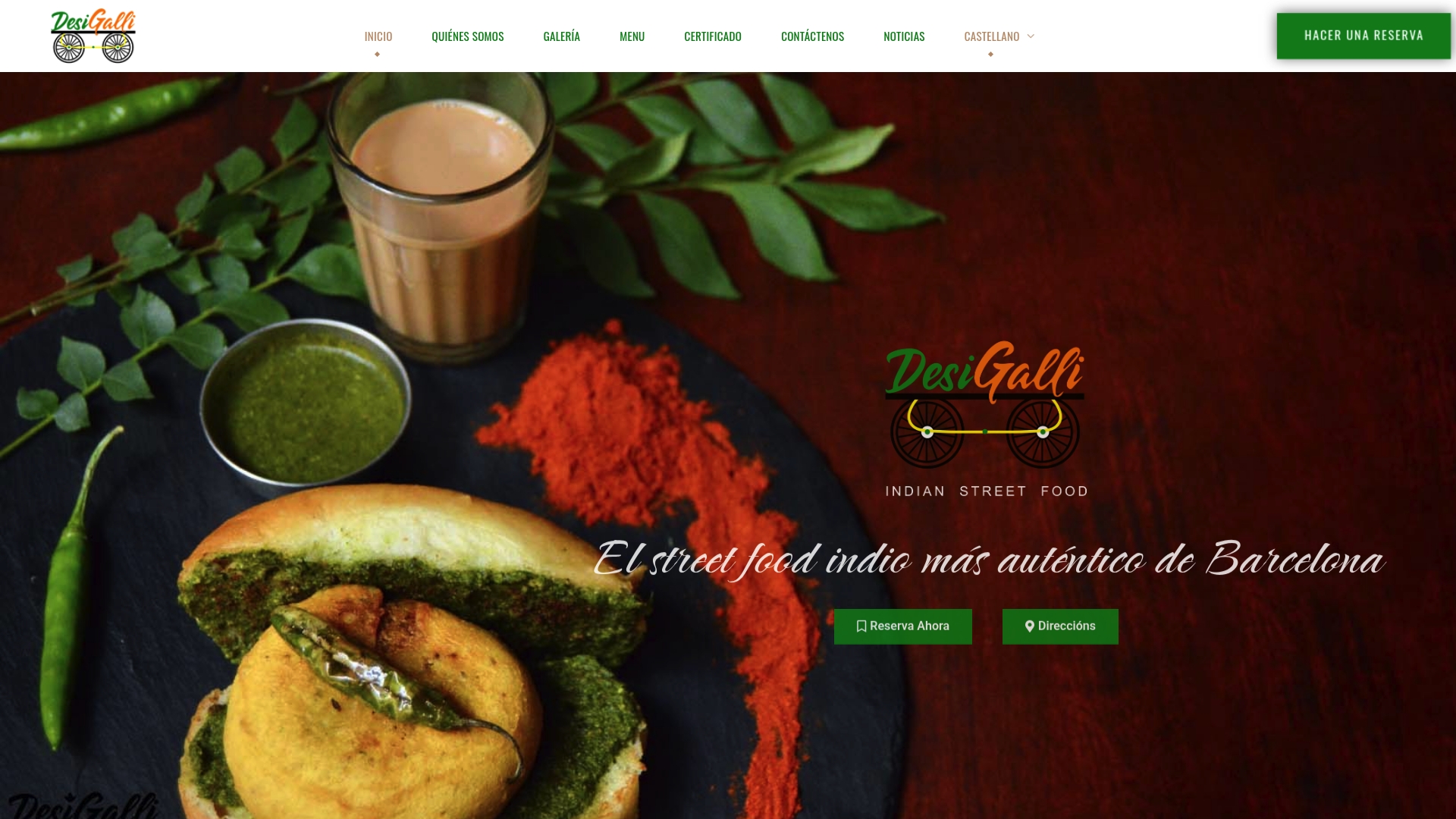
The menu at Desigallibcn is designed around communal eating. Samosas, chaat, curries, and Indian street food classics arrive at the table ready to share, which makes the group dining format natural rather than forced. The kitchen handles mixed dietary groups well, with strong vegetarian and vegan options alongside meat dishes. Groups can explore the full street food range before booking to plan a menu that works for everyone. Use the online reservation form to start the process, or contact the team directly for parties of 12 or more.
FAQ
How many guests count as a group booking at an Indian restaurant?
Most restaurants define a group booking as six or more guests. This threshold triggers deposit requirements and pre-order policies.
What deposit should I expect to pay for a group reservation?
Deposits typically range from 25% to 50% of the anticipated bill. The exact amount depends on the restaurant and the size of the party.
When do I need to submit the final headcount?
Final guest numbers are due 48–72 hours before the event. Missing this deadline can result in charges based on the original booking size.
What menu format works best for Indian group dining?
Family-style sharing menus suit Indian cuisine best. Large dishes placed in the centre of the table reflect how Indian food is traditionally eaten and simplify ordering for large parties.
How do I handle dietary requirements for a mixed group?
Collect dietary information at least one week before the event and send the full list to the restaurant in writing. Indian menus typically include strong vegetarian and vegan options, which cover most dietary needs without requiring separate dishes.
Recommended
- Workflow for enjoying Indian street food in Barcelona – Desi Galli
- Workflow para degustación de street food india en Barcelona – Desi Galli
- Step by step Indian restaurant booking guide – Desi Galli