
Curry in Indian cooking is defined not as a single dish but as a culinary philosophy built on the layered blending of spices, aromatics, and sauces to create depth and balance. The term covers hundreds of distinct preparations across India’s regions, each with its own spice logic, fat base, and flavour identity. Understanding the role of curry in Indian cooking means moving past the generic label and engaging with the techniques, ingredients, and cultural traditions that make this cuisine one of the most sophisticated in the world. Desigallibcn brings that same commitment to authenticity to every dish it serves in Barcelona.
What are the essential spices that build Indian curry flavours?
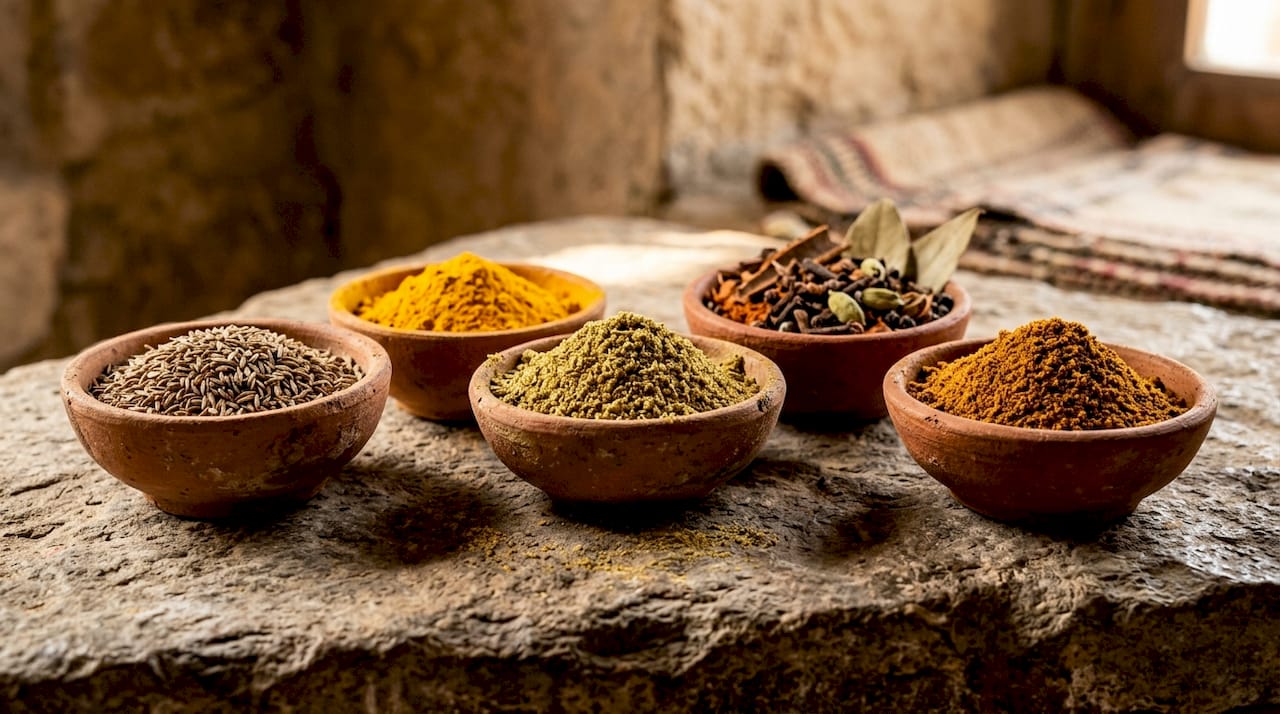
Authentic Indian curries rely on turmeric, cumin, and coriander as the primary spices that form the flavour foundation. Turmeric delivers colour and an earthy base note. Cumin adds savoury depth. Coriander brings a citrusy brightness that lifts the whole dish.
Aromatics complete the base. Onion, garlic, and ginger are cooked down before any ground spice is added. This sequence is not optional. It builds the structural layer that carries every spice added afterwards.
Acidity and richness balance the heat. Tomatoes and tamarind cut through fat. Cream, ghee, and coconut milk round out sharp edges. The choice between these depends entirely on the regional tradition being followed.
The technique of tempering, known as tadka, is central to Indian curry preparation. Whole spices such as mustard seeds, dried chillies, or cardamom pods are added to hot oil or ghee at the start or finish of cooking. The heat releases their volatile oils instantly. That burst of aroma is not decorative. It is structural flavour.
Key spices and their roles in Indian curry:
- Turmeric (haldi): earthy, anti-inflammatory, gives the characteristic golden colour
- Cumin (jeera): savoury, warm, used whole in tadka and ground in masalas
- Coriander (dhania): citrusy, mild, the most widely used ground spice in Indian cooking
- Garam masala: a finishing blend of warming spices added at the end, not the beginning
- Mustard seeds: sharp, nutty when popped in oil, foundational in South Indian tempering
- Curry leaves: aromatic, used fresh in South Indian cooking, distinct from curry powder
Pro Tip: Add garam masala in the final two minutes of cooking, not at the start. Heat destroys its delicate top notes. Adding it late preserves the aroma that makes a curry smell as good as it tastes.
How does curry differ across regions in India?
Regional curry styles reflect geography, climate, and ingredient availability. North and South India represent the sharpest contrast, but every region carries its own distinct logic.
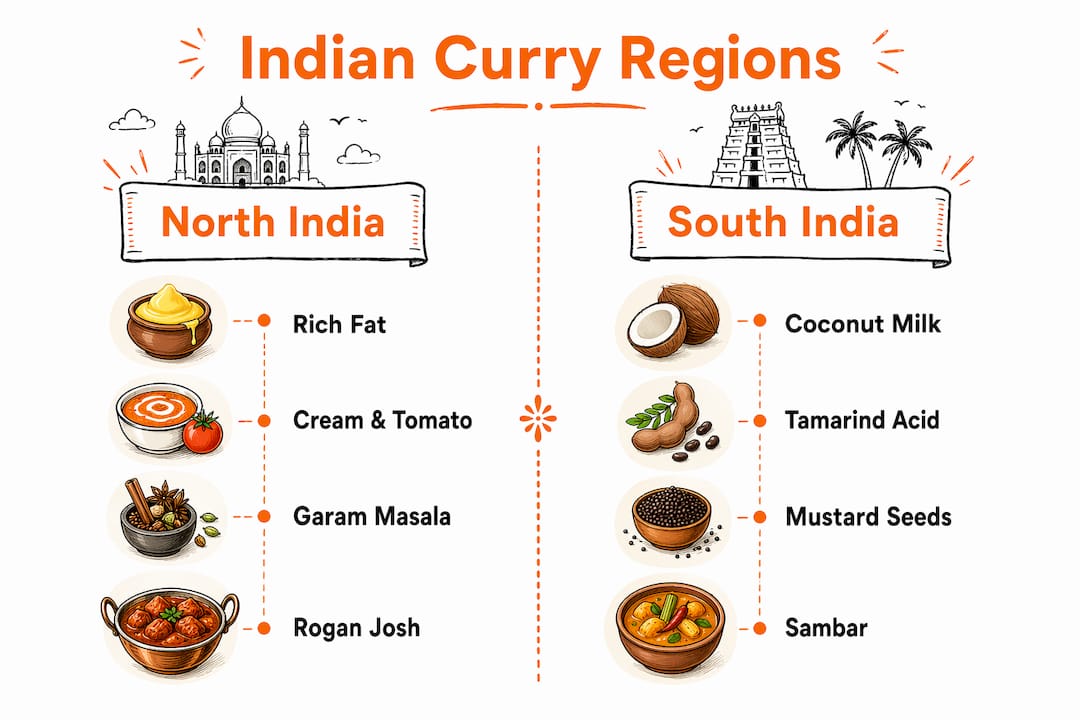
North Indian curries are rich, warming, and dairy-forward. Dishes like rogan josh and korma use cream, ghee, and tomato-based gravies. The spice profile tends towards warming aromatics: cardamom, cloves, and cinnamon. These curries are built for cold winters in the Punjab and Kashmir regions.
South Indian curries work from a completely different fat and acid base. Tamarind and coconut milk replace cream and tomato. Curry leaves and mustard seeds define the tempering. The result is lighter, sharper, and more intensely aromatic. Dishes like sambar and fish curry from Kerala reflect the coastal abundance of the region.
Western India, particularly Gujarat and Maharashtra, introduces sweetness into savoury dishes. Gujarati dal and certain vegetable curries carry a deliberate sweet note from jaggery or sugar. Goan cooking blends Portuguese influence with coconut and vinegar, producing curries unlike anything found elsewhere in India.
Eastern India, including Bengal and Odisha, favours mustard oil and panch phoron, a five-spice blend of fenugreek, nigella, cumin, black mustard, and fennel. Fish curries from Bengal are cooked in mustard oil with minimal spicing, letting the fish and mustard carry the flavour.
| Region | Fat base | Acid source | Signature spices | Example dish |
|---|---|---|---|---|
| North India | Ghee, cream | Tomato | Cardamom, cloves, cinnamon | Rogan josh, korma |
| South India | Coconut oil | Tamarind | Curry leaves, mustard seeds | Sambar, Kerala fish curry |
| West India | Groundnut oil | Vinegar, kokum | Cumin, coriander, chilli | Goan fish curry, dhansak |
| East India | Mustard oil | Tamarind | Panch phoron, nigella | Bengali fish curry |
Common misconceptions about curry in Indian cuisine
The biggest misconception is that curry powder is an Indian ingredient. Curry powder is a British invention, first sold commercially in 1784 by Sorlie’s Perfumery in London. That date matters. It confirms that the product was created to approximate Indian flavours for a British market, not to represent them. No Indian home cook or professional chef reaches for a jar of curry powder. They build their own masalas from individual spices, fresh or freshly ground.
The second misconception is that all Indian food is extremely spicy. Authentic dishes prioritise aroma, balance, and depth over raw chilli heat. Spiciness is one component among four: heat, acidity, sweetness, and saltiness. Beginners who focus only on chilli miss the point entirely.
Three more myths worth correcting:
- Curry leaves and curry powder are the same thing. They are not. Curry leaves are a fresh herb used in South Indian tempering. Curry powder is a pre-blended British spice mix. They share a name and nothing else.
- Indian cooking is imprecise and instinctive. The opposite is true. Spice sequencing, cooking temperatures, and ingredient staging follow a precise internal logic passed down through generations.
- All Indian curries taste similar. A Kashmiri rogan josh and a Kerala fish moilee share almost no flavour characteristics. Treating them as variations of the same dish is like calling a French bouillabaisse and a Spanish gazpacho the same soup.
Pro Tip: When a recipe calls for “curry powder,” substitute a combination of ground cumin, coriander, turmeric, and a pinch of garam masala. You will get closer to authentic flavour in a single step.
How to cook curry using authentic Indian techniques
Great curry is built, not assembled. That distinction defines the difference between a flat, one-dimensional result and a dish with genuine complexity. The sequence of ingredients matters as much as the ingredients themselves.
Follow this staged approach for authentic results:
- Heat your fat first. Ghee or a neutral oil goes into a cold pan. Bring it to temperature before anything else enters. The fat is the medium through which every subsequent flavour is released.
- Add whole spices to the hot fat. Mustard seeds, cumin seeds, dried chillies, or cardamom pods go in first. Wait for them to pop or sizzle. That sound signals the release of their essential oils.
- Cook the aromatics low and slow. Onion goes in next. The onion browning stage controls the sweetness and savouriness of the entire dish. Light caramelisation yields soft, sweet notes. Deep browning intensifies umami. Do not rush this step.
- Add garlic and ginger. These go in after the onion has coloured. They burn quickly, so the onion acts as a buffer. Cook for two minutes until the raw smell disappears.
- Add ground spices with a splash of water. Ground turmeric, cumin, and coriander go in now. The water prevents burning and helps the spices bloom into the fat. Cook for 90 seconds.
- Add your liquid base. Tomatoes, coconut milk, or tamarind water go in next. Stir to lift any spice residue from the pan. This is where the gravy begins to form.
- Add your protein or vegetables. These cook in the spiced gravy, absorbing flavour as they go. Adjust heat, acidity, and salt at this stage.
- Finish with fresh herbs and garam masala. Coriander leaves, garam masala, and a squeeze of lemon go on at the very end. These are top-note flavours that heat destroys.
Pro Tip: Resting curry overnight transforms it. The spices continue to meld and deepen for hours after the heat is off. A curry cooked the day before serving is almost always better than one served immediately.
For a deeper look at how these techniques apply across different dishes, the Indian spices guide at Desigallibcn covers each spice’s role in detail.
What is the cultural significance of curry in Indian society?
Curry as a colonial shorthand obscures the regional complexity and precision of Indian cooking. Professional Indian chefs specify dish names rather than using the word curry generically. That practice is not pedantry. It reflects the reality that India contains dozens of distinct culinary traditions, each with its own vocabulary.
Curry’s role in Indian society extends beyond the plate. Food in India is tied to religious practice, seasonal ritual, and community identity. Certain spices carry Ayurvedic significance. Turmeric is used in Hindu ceremonies as well as in cooking. Fasting and feasting calendars shape which dishes appear and when.
“The term ‘curry’ simplifies a highly technical cuisine that involves instinctive spice blending and layering passed down through generations.”
The global spread of curry tells a story of migration and adaptation. Indian communities carried their cooking traditions to the Caribbean, East Africa, Southeast Asia, and the United Kingdom. Each destination produced a new regional variant. Trinidadian curry, Durban curry, and British balti all trace their lineage to Indian cooking while reflecting the ingredients and tastes of their adopted homes. Understanding culinary heritage through food reveals how deeply cuisine shapes cultural identity across borders.
Key takeaways
Curry in Indian cooking is a layered technique and cultural tradition, not a single dish, and mastering it requires understanding spice sequencing, regional variation, and the difference between authentic masalas and British-invented curry powder.
| Point | Details |
|---|---|
| Curry is a technique, not a dish | Indian cooking uses hundreds of distinct preparations, each with its own spice logic and regional identity. |
| Spice sequencing is non-negotiable | Whole spices, aromatics, ground spices, and fresh herbs must be added in the correct order to build genuine flavour. |
| Curry powder is not Indian | First sold in London in 1784, curry powder is a British approximation. Authentic cooking uses freshly built masalas. |
| Regional variation is vast | North Indian curries use dairy and tomato; South Indian curries use tamarind and coconut milk. These are distinct cuisines. |
| Resting improves every curry | Allowing a curry to rest for several hours or overnight deepens flavour complexity significantly. |
Why the word “curry” deserves more respect than it gets
Most food writing treats curry as a category. I think that framing does real damage. When you call a dish “curry,” you strip away the specific name, the regional origin, the cook’s intention, and the centuries of technique behind it. A dal makhani is not a curry. A Chettinad chicken is not a curry. They are precise, named dishes with their own grammar.
The shift I would encourage is simple. Learn the dish names. When you order or cook a rogan josh, you are engaging with a Kashmiri tradition that uses dried Kashmiri chillies and no tomato. When you cook a sambar, you are working with a South Indian lentil and vegetable preparation that has nothing in common with a North Indian gravy. The names carry the knowledge.
For anyone starting out, the single most useful habit is patience at the onion stage. Every shortcut taken there shows up in the finished dish as flatness. Brown your onions properly and the rest of the curry builds itself. The pairing guide for Indian dishes at Desigallibcn is worth reading alongside this, because understanding how dishes relate to each other is the next step after learning to cook them individually.
Indian cooking rewards curiosity and punishes impatience. That is not a warning. It is an invitation.
— YellowRock
Authentic Indian flavours at Desigallibcn in Barcelona
Desigallibcn brings the full range of Indian street food and curry traditions to Barcelona, from bold North Indian gravies to lighter South Indian preparations. Every dish reflects the spice logic and regional specificity that this article describes.
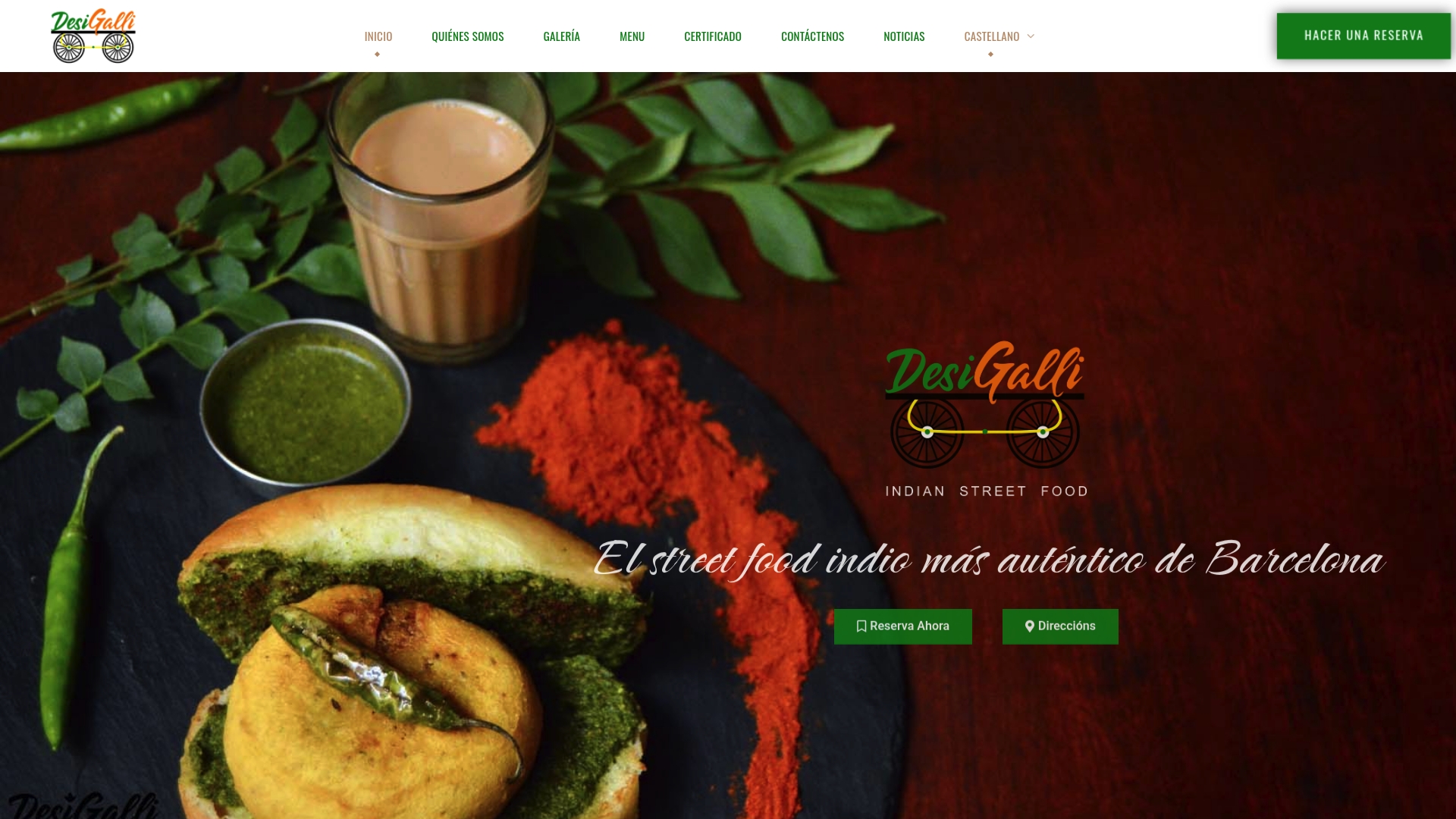
Readers who want to experience these flavours directly can explore the Indian street food menu at Desigallibcn, which covers samosas, chaat, curries, and more. For those wanting to go deeper into regional styles before visiting, the complete regional curry guide covers the traditions behind each dish on the menu. Desigallibcn also offers a culinary street food experience that reflects the energy and authenticity of Indian food culture.
FAQ
What does curry actually mean in Indian cooking?
Curry is a broad term used to describe spiced dishes with a sauce or gravy base. In Indian cooking, the word covers hundreds of distinct regional preparations rather than a single flavour or recipe.
Is curry powder used in authentic Indian cooking?
Curry powder is not used in authentic Indian cooking. It is a British invention from 1784 designed to approximate Indian spice blends for a Western market. Indian cooks build their own masalas from individual spices.
What are the most important spices in Indian curry?
Turmeric, cumin, and coriander form the core spice base of most Indian curries. Garam masala, mustard seeds, and curry leaves are added depending on the regional tradition and dish being prepared.
How do North and South Indian curries differ?
North Indian curries use dairy fats such as ghee and cream, with tomato as the acid base. South Indian curries use coconut milk and tamarind instead, producing a lighter, sharper flavour profile with curry leaves and mustard seeds as defining aromatics.
Why does curry taste better the next day?
Resting curry after cooking allows the spices to continue melding and deepening. The flavours integrate more fully over several hours, which is why a curry cooked the day before serving consistently tastes more complex.
Recommended
- What is curry? A guide to its true meaning – Desi Galli
- Your complete guide to indian curries by region – Desi Galli
- How to pair indian dishes: a home cook’s guide – Desi Galli