
Finding the right Indian restaurant in Barcelona should not feel like a gamble. The city has seen a genuine growth in Indian dining options over the past decade, which means more choice but also more variation in quality. These tips for choosing Indian restaurants are designed to cut through the noise and give you a practical framework. Whether you are exploring for the first time or trying to find somewhere better than your usual spot, the criteria here will help you make a confident, well-informed decision every time.
Table of Contents
- Key takeaways
- 1. Tips for choosing Indian restaurants: start with the menu
- 2. Check the bread and spice credentials
- 3. Understand what authentic flavour actually means
- 4. Evaluate the vegetarian and vegan offer properly
- 5. Use regional dish knowledge to test authenticity
- 6. Try a thali or lunch format before committing
- 7. Comparing Indian restaurants: what the numbers do not tell you
- 8. Practical tips for group dining at Indian restaurants
- 9. Common mistakes to avoid when selecting a restaurant
- My honest take on the Indian dining scene in Barcelona
- Discover authentic Indian street food at Desigallibcn
- FAQ
Key takeaways
| Point | Details |
|---|---|
| Regional diversity matters | Menus covering multiple Indian culinary traditions signal a kitchen with genuine range and authenticity. |
| Spice is not the measure of quality | Layered, balanced flavours define great Indian cooking far more than raw heat. |
| Fresh spices are non-negotiable | Daily grinding of whole spices produces depth and aroma that pre-ground powder simply cannot replicate. |
| Group dining needs a strategy | Mixing mild and bold dishes with shared rice and bread lets everyone eat well without over-ordering. |
| Reviews reveal more than ratings | Specific mentions of dishes and repeat visits indicate consistent quality better than star averages. |
1. Tips for choosing Indian restaurants: start with the menu
The menu is your first and most telling clue. A restaurant that genuinely understands Indian cuisine will offer dishes that span more than one region. Regional diversity signals a kitchen with real range, not just a collection of crowd-pleasers translated from a generic template. Look for references to regional culinary traditions. Can you spot dishes from Punjab alongside something from coastal Goa or Tamil Nadu? That breadth matters.
At the same time, pay attention to focus. A well-curated, focused menu is a sign of a confident kitchen. Restaurants with 80-plus dishes covering everything from Chinese-style fried rice to tikka masala often lack the commitment to do any of it properly. Shorter menus with clear regional hints suggest the kitchen knows what it is doing and why.
Pro Tip: Look for dishes described with their region of origin, such as “Goan prawn curry” or “Punjabi dal makhani.” That specificity tells you the chef understands provenance, not just flavour combinations.
2. Check the bread and spice credentials
Two things separate genuinely good Indian kitchens from average ones: how they handle bread, and how they handle spices. On the bread front, authentic naan should have bubbles, char marks, and steam when you tear it open. That is the result of a proper tandoor oven. If the bread arrives flat, soft, and uniform without any variation, it has likely been warmed elsewhere rather than baked to order.
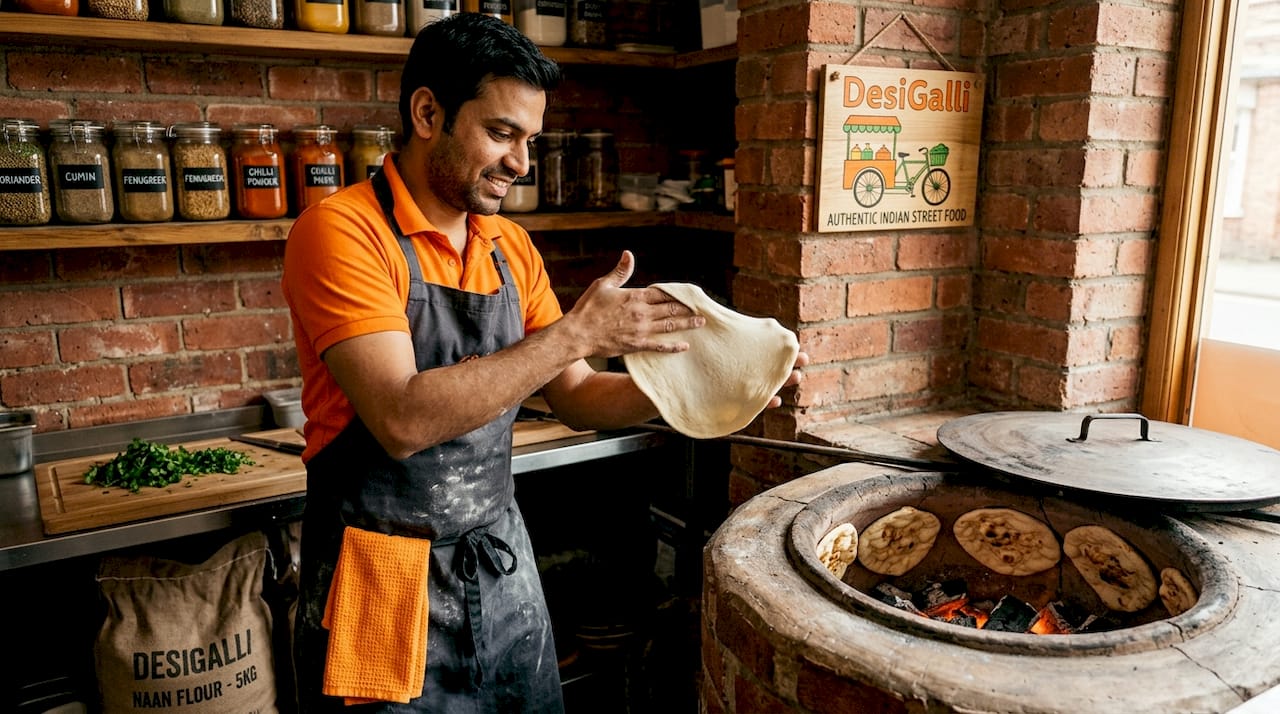
On spices, the best kitchens toast and grind whole spices daily. You can actually tell the difference. Fresh spice grinding produces a layered aroma and depth that pre-ground packets simply cannot match. If every curry you try at a place tastes broadly similar, that is a strong sign they are working from generic powder blends rather than crafting individual spice profiles per dish.
3. Understand what authentic flavour actually means
This is where most diners get misled. Authentic Indian dining is about balance and depth, not about how much chilli a kitchen can pack into a dish. Some of the most celebrated Indian dishes, think of dal tadka, korma, or a proper Keralan stew, are mild to medium in heat but extraordinarily complex in flavour. Restaurants that market themselves purely on “fiery” or “extreme” heat are often using spice as a distraction from a lack of actual technique.
Great Indian food is comforting first and bold second. When you are evaluating a restaurant, order something that has no business being spicy. A dal, a paneer dish, or a coastal seafood preparation. If the kitchen has real skill, those dishes will still be deeply satisfying. If everything tastes flat without heat, that tells you something important.
You can explore authentic flavour profiles in more depth to better understand what distinguishes genuine cooking from the generic.
4. Evaluate the vegetarian and vegan offer properly
Indian cuisine has one of the richest vegetarian traditions in the world, yet many restaurants in Barcelona treat vegetarian dishes as afterthoughts. If the non-meat section of a menu reads as a collection of paneer variations and a token vegetable curry, that is a red flag. A kitchen rooted in genuine Indian cooking should offer lentil preparations, chickpea dishes, stuffed flatbreads, and regional vegetable curries with as much care as anything else on the menu.
For vegan diners, it is worth asking specifically about dairy. Many Indian dishes use ghee or cream in ways that are not always obvious from the menu description. A well-trained front-of-house team will know exactly which dishes can be adapted and which cannot, without needing to check with the kitchen every time.
5. Use regional dish knowledge to test authenticity
You do not need to be an expert in Indian food to apply this principle. Simply look for dishes that go beyond the standard list of tikka masala, vindaloo, and korma. Restaurants serving Chettinad pepper preparations, Bengali mustard fish, or Goan sorpotel are demonstrating that someone in that kitchen has actual regional knowledge. These dishes are harder to fake because they rely on specific ingredient combinations and cooking techniques.
When you spot a dish you do not recognise, that is actually a positive signal. Ask about it. The way staff explain a dish tells you a great deal about the kitchen’s relationship with its own food. Confident, knowledgeable descriptions suggest genuine pride in the menu, while vague or uncertain answers can indicate the dish was added for visual variety rather than culinary purpose. Check out what it means to explore regional Indian cooking to sharpen your understanding before your next visit.
6. Try a thali or lunch format before committing
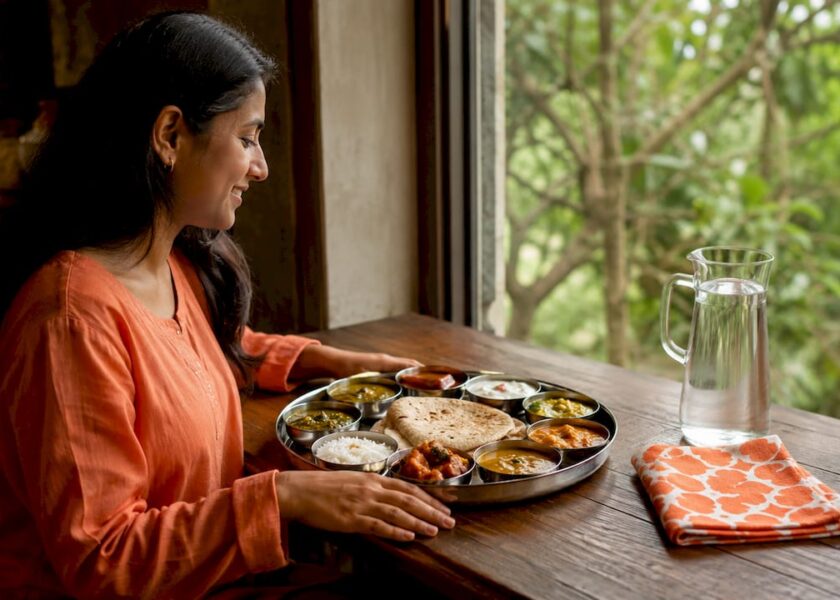
One of the best tips for Indian restaurant dining, especially if you are visiting somewhere new, is to go at lunch first. Traditional Indian thali meals offer multiple small bowls on a single platter, covering different flavour profiles across one sitting. They are designed to show range and balance. If a restaurant offers a thali and it lands on your table with vibrant colour, varied textures, and distinct flavours in each bowl, you have found somewhere that understands what Indian food is actually trying to do.
Lunch buffets, where offered, are equally revealing. A well-run lunch buffet lets you taste a wide selection at lower cost and helps you assess the kitchen’s consistency across multiple dishes simultaneously. If the dal is silky, the rice is well-seasoned, and the breads arrive fresh rather than sitting in a stack drying out, you have a reliable signal of kitchen standards.
Pro Tip: At a thali or buffet, taste the dal first. It is one of the simplest dishes on any Indian menu and the hardest to elevate without genuine skill. A great dal reveals everything about a kitchen’s patience and technique.
7. Comparing Indian restaurants: what the numbers do not tell you
Here is a practical comparison framework based on the kinds of signals that matter most when you are choosing Indian dining options in Barcelona.
| Indicator | What to look for | Red flag |
|---|---|---|
| Menu structure | Regional variety with named origins | 80-plus dishes with no thematic focus |
| Bread quality | Char marks, bubbles, served hot | Flat, uniform, pre-warmed flatbreads |
| Spice approach | Layered flavours with adjustable heat | Heat as the primary selling point |
| Review quality | Specific dish mentions and repeat visits | Generic “great food, great service” comments |
| Vegetarian depth | Dedicated regional veg preparations | Only paneer and one token vegetable curry |
| Staff knowledge | Confident dish explanations with context | Vague or uncertain answers about menu |
Reading online reviews through this lens changes what you extract from them. A review that says “the lamb rogan josh was exactly how my colleague’s mother makes it back home” tells you far more than a five-star rating with no content. Look for reviews that name dishes, describe specific flavours, and mention coming back for a particular preparation. Those are the reviews that reflect genuine, consistent quality.
8. Practical tips for group dining at Indian restaurants
Indian food is genuinely well-suited to groups, but only if the ordering is handled thoughtfully. The general guide is roughly 150 to 200 grams of cooked main dish per adult, supplemented by shared rice, bread, and sides. That portion framework helps avoid both under-ordering and the waste that comes from being too enthusiastic at the start.
For groups with mixed spice preferences, the smartest approach is to anchor the order around a couple of genuinely mild dishes, add one or two medium preparations, then bring in one boldly spiced option for those who want it. Mixing mild and medium spiced dishes with grilled items and ample rice means everyone eats comfortably and can adjust to their own preference. Avoid ordering everything at maximum heat on behalf of the table. That is a decision you will regret.
Drinks pairing matters too. Mango lassi balances heat beautifully. Masala chai works well at the end of a rich meal. If the restaurant carries a good chai programme, that is another indicator of kitchen care and cultural commitment.
9. Common mistakes to avoid when selecting a restaurant
A few traps catch diners again and again when choosing where to eat Indian food in Barcelona.
- Trusting décor over food. Elaborate Bollywood-themed interiors and elaborate lighting say nothing about what comes out of the kitchen. Some of the most authentic Indian restaurants are visually modest.
- Assuming all Indian food is spicy. Spice levels should reflect the dish, not simply be cranked up to satisfy a stereotype. A good restaurant will offer genuine spice level guidance without compromising the recipe’s integrity.
- Ignoring the smell when you walk in. A kitchen working with freshly toasted spices produces a distinct, warm, layered aroma that hits you at the door. A faint or generic smell can indicate shortcuts.
- Dismissing a short menu. Brevity in a menu is a virtue. A kitchen that has edited its offer down to twenty well-executed dishes is showing you more confidence than one that lists everything imaginable.
Pro Tip: Ask the staff what they would eat if they were ordering for themselves. In a genuinely good restaurant, the answer is almost always something that does not appear on the front page of the menu.
For a deeper look at avoiding tourist traps when selecting where to eat, that resource is worth reading before you book anywhere new.
My honest take on the Indian dining scene in Barcelona
I have spent years tasting my way through Indian restaurants across the city, and the single most common mistake I see food lovers make is using spice tolerance as their primary benchmark. They leave a meal saying it was “authentic” because it was hot. That framing misses almost everything that makes Indian cooking remarkable.
The restaurants worth returning to are the ones where I have ordered something mild and felt genuinely surprised by how much was happening in the dish. A well-made dal with a proper tarka. A coconut-based curry where you can distinguish each spice in the base. Those moments take real skill.
What I find most exciting in Barcelona right now is the slow emergence of regional specificity. A few years ago, almost every Indian menu here looked identical. Now I am starting to see restaurants lean into distinct culinary identities, and that is where the interesting dining is happening. My advice: seek out places that commit to a particular region or style rather than trying to cover all of India in one menu. That focus almost always produces better food.
— YellowRock
Discover authentic Indian street food at Desigallibcn
If these tips have sharpened your appetite for something genuinely good, Desigallibcn is worth making the trip to. Located in the heart of Barcelona, Desi Galli specialises in Indian street food, the kind of cooking that is bold, fast, and rooted in real culinary tradition rather than adapted for a generic Western palate.
The menu covers samosas, chaat, and flavour-forward vegetarian and vegan options that reflect what street food actually tastes like across India. For an overview of what makes the experience distinct, the street food guide for Barcelona covers the flavours, rituals, and context behind the dishes. If you want a practical tasting guide before visiting, the authentic Indian food guide walks you through exactly what to order and why. Reservations and menu exploration are available directly through the Desigallibcn website.
FAQ
What are the key signs of an authentic Indian restaurant?
Look for menus with regional variety, bread with char marks from a real tandoor, and dishes where flavour complexity comes from layered spices rather than heat alone. Staff who can describe dishes confidently and specifically are a strong additional signal.
How do I choose a good Indian restaurant for a group?
Order a mix of mild, medium, and bold dishes alongside shared rice and bread, allowing roughly 150 to 200 grams of cooked main per adult. This approach lets everyone eat to their own spice preference without over-ordering or under-delivering.
Is spicy food a reliable indicator of authentic Indian cuisine?
No. Authentic Indian food is defined by balanced, layered flavours, not raw heat. Many classic dishes are mild and deeply satisfying, and restaurants that market extreme spice as authenticity are often masking a lack of genuine technique.
How should I read online reviews when choosing an Indian restaurant?
Prioritise reviews that name specific dishes and mention returning for a particular preparation. Those details indicate consistent kitchen quality far more reliably than a high star average built on vague positive comments.
What is a thali and why is it useful for first-timers?
A thali is a single platter containing multiple small dishes representing different flavour profiles. It is an ideal way to assess a kitchen’s range and balance in one sitting, making it one of the best options when trying an Indian restaurant for the first time.
Recommended
- What to expect at an Indian restaurant in Barcelona – Desi Galli
- Checklist for authentic Indian gastronomy in Barcelona – Desi Galli
- How to book an Indian restaurant for parties in Barcelona – Desi Galli