

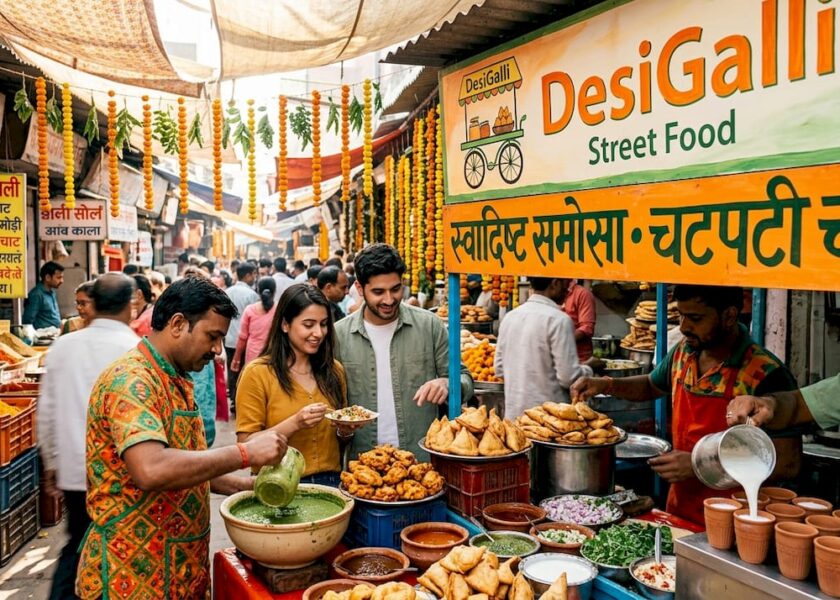
Mumbai street food is not a snack. It is a way of life. Understanding what is Mumbai street food means confronting a city-wide culinary system built over centuries, shaped by fishermen, mill workers, migrants, and merchants who all left their flavours behind. From the famous vada pav sold for pennies outside railway stations to the sizzling pav bhaji served at midnight along Marine Drive, this guide covers the iconic dishes, their surprising origins, their cultural weight, and exactly where to find the most authentic flavours the city has to offer.
Table of Contents
- Key takeaways
- Iconic Mumbai street food dishes and their origins
- Cultural and social significance
- Where to find authentic Mumbai street food
- How Mumbai street food keeps evolving
- My perspective: what Mumbai street food really teaches you
- Taste Mumbai’s flavours at Desigallibcn in Barcelona
- FAQ
Key takeaways
| Point | Details |
|---|---|
| More than fast food | Mumbai street food is a centuries-old culinary culture rooted in migration, community, and working-class necessity. |
| Iconic dishes with real history | Vada pav and pav bhaji both emerged as practical, affordable meals for textile mill workers in the 19th and 20th centuries. |
| Where to eat authentically | Railway station hubs like Dadar and CST, plus specialist spots like Mahim Koliwada, offer the most genuine experiences. |
| Cultural melting pot | Koli fishermen, Parsi traders, Maharashtrian families, and South Indian migrants all contributed dishes to Mumbai’s street food identity. |
| Constantly evolving | Younger vendors are blending tradition with Indo-Chinese and fusion influences while keeping core flavours intact. |
Iconic Mumbai street food dishes and their origins
If you ask any Mumbaikar what defines their city’s food culture, they will almost certainly start with vada pav. Created in the 1960s and 1970s near Dadar station, this deep-fried spiced potato fritter tucked inside a soft bread roll was designed specifically for textile mill workers who needed something filling, portable, and cheap. Originally sold for just ₹0.10 to ₹0.15, it became the city’s unofficial emblem.
Pav bhaji has an equally fascinating backstory. Originating in the 1850s as a nutritious late-night meal, it was made from leftover vegetables mashed together with spices and generous amounts of butter, then served with toasted bread rolls. What began as a practical solution for mill workers is now globally recognised and served in Indian restaurants worldwide. The dish is a perfect example of necessity breeding culinary brilliance.
Beyond these two giants, the top street food dishes Mumbai offers span a remarkable range:
- Bhel puri: A cold, tangy mixture of puffed rice, chopped onion, tomato, tamarind chutney, and sev, originally popularised on Chowpatty Beach where vendors have served it for generations.
- Pani puri: Hollow crisp shells filled with spiced water, mashed potato, and chickpeas. Every vendor has a slightly different recipe, and the variations are endlessly debated by locals.
- Misal pav: A spicy sprouted lentil curry topped with farsan and served with bread rolls, beloved across Maharashtra.
- Bombay sandwich: A toasted sandwich layered with green chutney, boiled potato, cucumber, and beetroot. Simple and completely distinctive.
- Ragda pattice: Fried potato patties served over a white pea curry, often garnished with sweet and spicy chutneys and crispy toppings.
Pro Tip: Dry garlic chutney is what separates an authentic vada pav from a mediocre one. Always ask for extra. Locals also request fried green chillies on the side for added heat.
The preparation style across these dishes shares common threads: bold layering of textures, contrasting temperatures, and the critical interplay of sweet tamarind, spicy green chutney, and sour citrus.
Cultural and social significance
What truly sets the authentic street food Mumbai offers apart from the food of any other city is not the ingredients. It is the sociology behind every bite.
Mumbai’s identity as a port city shaped by continuous waves of migration means its street food is effectively a living archive. The Koli fishing community brought fresh seafood preparations. Parsi merchants introduced flavour philosophies from Persia. Gujarati traders brought their love of sweet and savoury combinations. South Indian workers added dosas and idlis to the pavement repertoire. Each community folded its culinary identity into the public food supply and never quite took it back.
“Mumbai street food forms a democratic public space, reflecting community ties and openness across all income levels.” Modern Adventure
This democratic quality is one of the most striking things about the Mumbai food street experience. A corporate banker and a day labourer can stand at the same stall, eating the same vada pav, paying the same price. There is no class system at the street food counter. That social levelling is baked into the culture as much as the flavour is baked into the food.
The relationship between vendors and their regular customers is also worth understanding. These are not transactional encounters. Vendors remember how spicy their regulars like their chutney, which bread roll size they prefer, and whether they want extra butter. This intimacy builds neighbourhood identity in a city of over 20 million people.
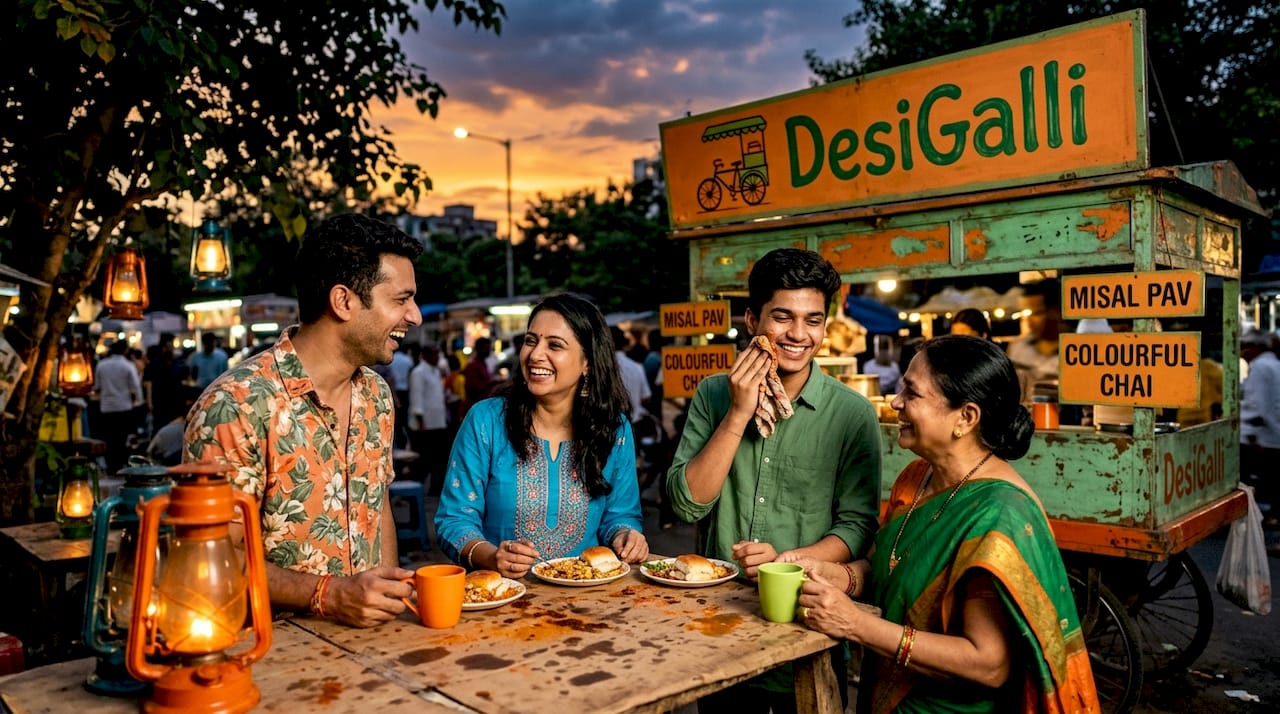
The Dabbawala system, which has been delivering nearly 200,000 home-cooked lunches daily since the 1890s, sits alongside street food culture as its complement rather than its competitor. Together they tell you everything about how Mumbai feeds itself: with precision, community, and pride.
Where to find authentic Mumbai street food
Knowing what to eat is only half the picture. A proper Mumbai street food guide must also tell you where to stand, and when.
The most reliable rule for finding the best Mumbai street food is simple: follow the crowds. The best stalls are almost always the busiest, most unassuming ones clustered near major railway stations. Here is a practical breakdown of where to go:
- Dadar station area: The spiritual home of vada pav, where the dish was effectively born. Dozens of vendors compete within metres of each other, and quality is consistently high.
- CST (Chhatrapati Shivaji Maharaj Terminus) surrounds: Ideal for Bombay sandwiches, juice stalls, and chaat vendors serving the enormous daily commuter crowd.
- Chowpatty Beach: The classic bhel puri and pani puri destination, especially lively in the evenings when families and couples gather.
- Mahim Koliwada Seafood Plaza: A specialist destination promoted since 2023 where Koli women prepare traditional seafood on Wednesdays, Saturdays, and Sundays, attracting over 3,000 customers on peak weekend days.
- Mohammed Ali Road: Best known for its extraordinary Ramadan food scene, but excellent year-round for kebabs, naan rolls, and nihari.
Pro Tip: Koliwada seafood stalls at Mahim typically sell out by early evening. Arrive before 5 pm on a Saturday to get the full selection. Plates are priced between ₹200 and ₹400, and the seafood is notably lighter than the coconut-heavy Malvani style, letting the freshness of the fish do the work.
Here is a quick reference for popular hubs and what they do best:
| Location | Speciality | Best time to visit |
|---|---|---|
| Dadar station | Vada pav, misal pav | Morning commute hours |
| Chowpatty Beach | Bhel puri, pani puri | Evening, especially weekends |
| Mahim Koliwada | Fresh fried seafood | Wednesday, Saturday, Sunday evenings |
| CST surrounds | Bombay sandwich, chaat | Lunch and evening rush |
| Mohammed Ali Road | Kebabs, naan rolls, haleem | Evening and late night |
When ordering, do not be shy about customising. Asking for less spice or more chutney is completely normal and vendors will not take offence. Mumbai’s street food culture is built around speed, efficiency, and getting exactly what the customer wants, fast.
How Mumbai street food keeps evolving
One of the most telling signs of a truly confident culinary culture is its willingness to absorb outside influences without losing itself. Mumbai’s street food does this brilliantly.
Younger vendors and food entrepreneurs have introduced a wave of fusion that sits comfortably alongside the classics. Some of the most interesting examples include:
- Schezwan dosa: A South Indian staple reinvented with Indo-Chinese Schezwan sauce, now a staple at dozens of street stalls. It sounds like it should not work and it absolutely does.
- Flavoured pani puri waters: Traditionally, the water inside pani puri is tamarind and mint based. Modern vendors now offer aam panna (raw mango), jeera jaljeera, and even chocolate versions for adventurous eaters.
- Reimagined Bombay sandwiches: The classic is getting upgrades with paneer tikka fillings, cheese-loaded variants, and layered versions that borrow from the grilled sandwich traditions of other Indian regions.
- Chinese bhel: A mashup of instant noodles and the classic bhel puri technique, popular with college students and night-time snackers.
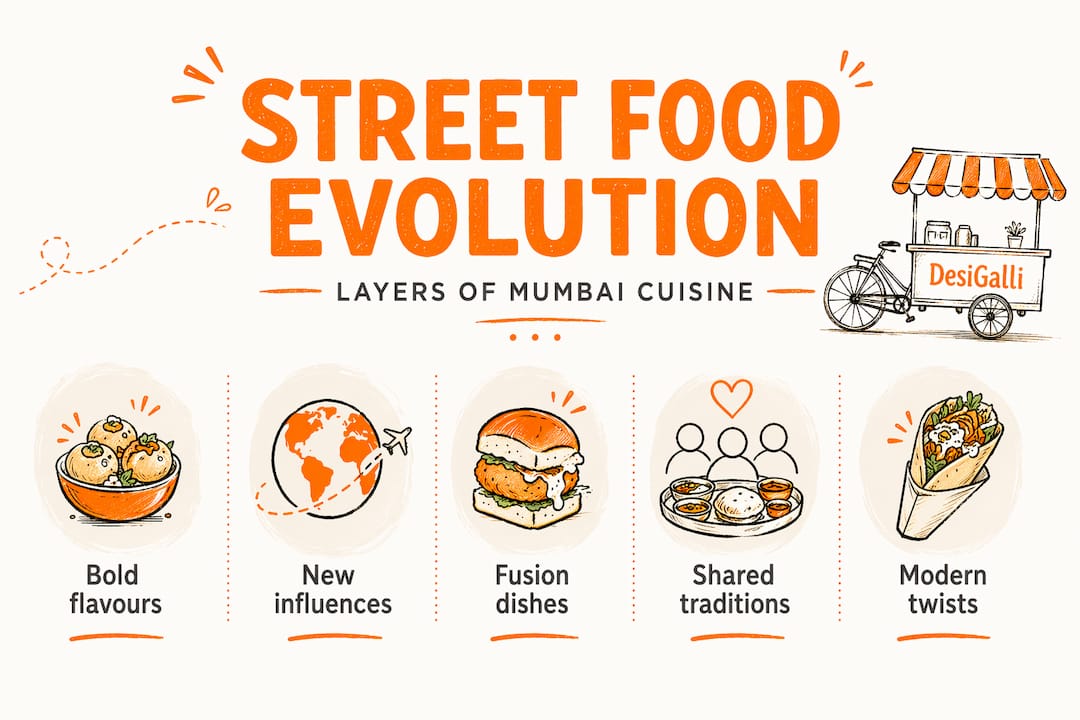
What makes this evolution work is that vendors are not abandoning the core principles of Mumbai street food. Bold flavours, affordable prices, quick service, and feeding a crowd. The techniques and ingredients may shift, but the social contract between vendor and customer stays exactly the same.
The fusion on Mumbai’s streets also reflects something broader. The city has always absorbed new populations and their food instincts. Indo-Chinese cuisine arrived with the Chinese community in Kolkata and spread westward. Schezwan sauce became so embedded in Indian street food that many younger Mumbaikars consider it entirely local. That is the power of this food culture. It converts everything it touches.
My perspective: what Mumbai street food really teaches you
I’ve spent time thinking about why Mumbai street food resonates so deeply with people who have never even visited India. My conclusion is that it has very little to do with the food itself and everything to do with what the food represents.
What I find most striking is the vendor. Not the celebrity chef, not the restaurant critic, but the person who has been standing at the same corner for thirty years, serving the same dish, building relationships with strangers who became regulars who became something closer to family. That vendor is carrying cultural knowledge that no cookbook can fully capture.
In my view, the commercialisation of Mumbai street food is a genuine risk. When dishes get cleaned up, repackaged, and served in air-conditioned restaurants at five times the price, something gets lost. The flavour might survive. The context does not. Authentic street food Mumbai delivers is inseparable from the footpath, the noise, the press of the crowd, and the vendor who knows your order before you open your mouth.
The real lesson I take from Mumbai’s food culture is about community. This is what food can do when it is not trying to impress anyone. It simply feeds people, connects strangers, and carries history forward one plate at a time.
— Desigallibcn
Taste Mumbai’s flavours at Desigallibcn in Barcelona
If learning about Mumbai street food has sparked a craving you cannot satisfy with a plane ticket right now, Desigallibcn brings those bold Indian street food flavours to the heart of Barcelona. The restaurant is built around the same spirit that defines the best Mumbai food stalls: generous spicing, vibrant presentation, and dishes that carry real cultural weight.
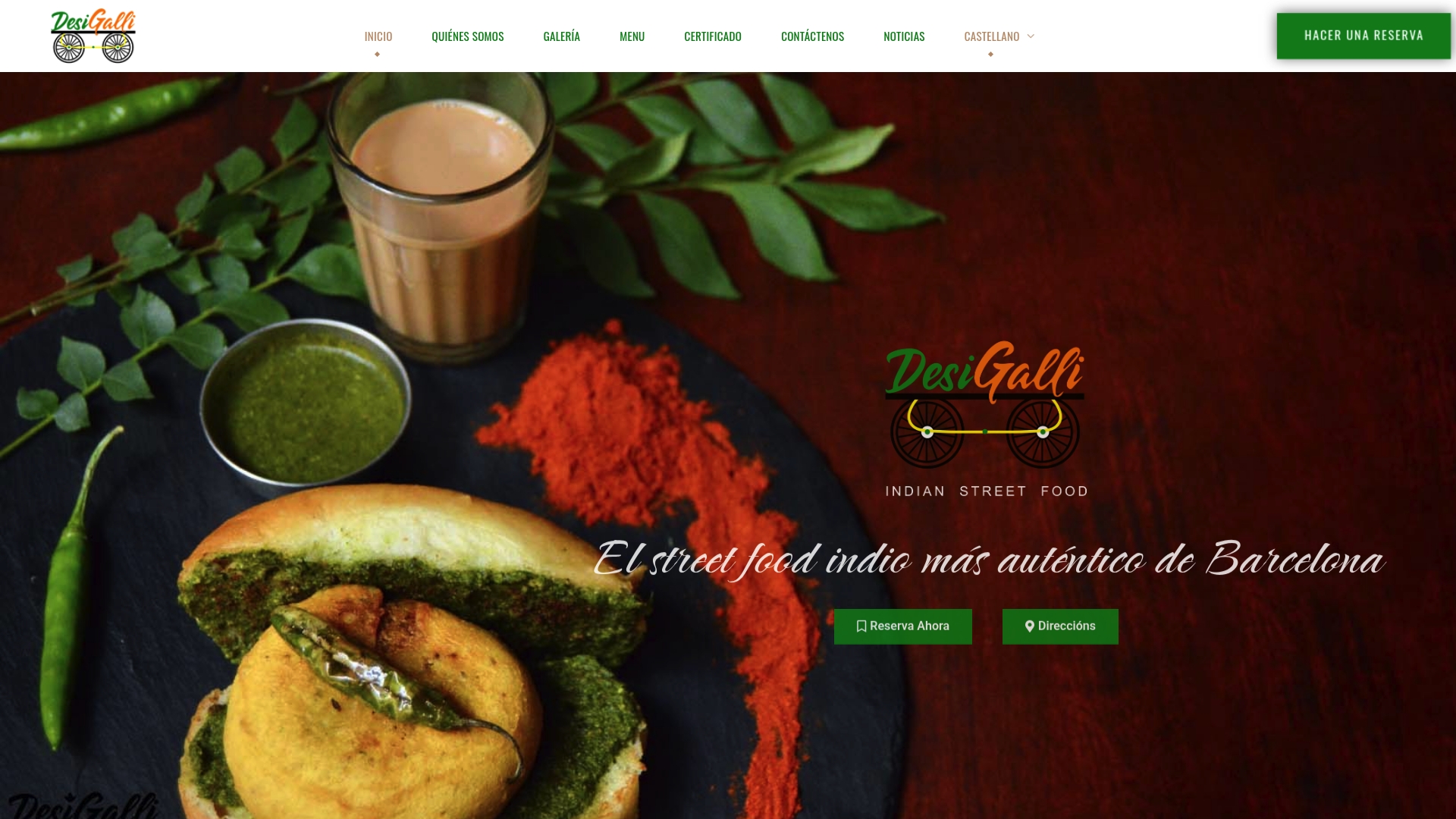
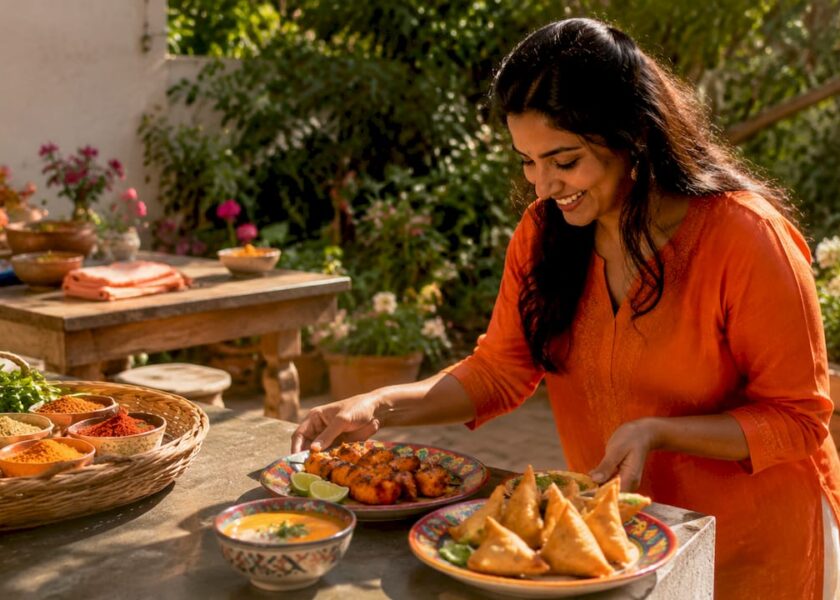
At Desigallibcn, you will find Indian street food classics including samosas, chaat, and rich curries served alongside curated cocktails that complement the heat and depth of the food. Whether you are a curious first-timer or someone who grew up eating this food, the experience is designed to feel genuine. Explore the menu, discover the dishes, and visit Desigallibcn to book your table or find out what Indian street food in Barcelona really tastes like.
FAQ
What is Mumbai street food exactly?
Mumbai street food is a centuries-old urban food culture encompassing dozens of iconic dishes sold from pavement stalls and vendor carts across the city. It reflects Mumbai’s diverse migrant communities, working-class history, and fast-paced urban life.
What are the most famous street food dishes in Mumbai?
The most famous include vada pav, pav bhaji, bhel puri, pani puri, misal pav, and the Bombay sandwich. Each dish has distinct regional and historical roots tied to different communities within the city.
Where is the best place to eat authentic street food in Mumbai?
Areas near major railway stations such as Dadar and CST are reliable starting points. Mahim Koliwada Seafood Plaza is the top destination for fresh traditional Koli seafood, open on Wednesdays, Saturdays, and Sundays.
Why is Mumbai street food so famous?
Mumbai street food is famous because it combines bold flavours, low prices, and deep cultural history in a way that feels entirely unique. It emerged from the practical needs of a massive working-class population and was shaped by successive waves of migration over more than a century.
Is Mumbai street food suitable for vegetarians?
Yes. The majority of Mumbai’s most iconic street dishes are entirely vegetarian, including vada pav, pav bhaji, bhel puri, pani puri, and the Bombay sandwich. Vegetarian food is central to Mumbai’s street food identity rather than an afterthought.
Recommended
- Indian street food: Flavours, rituals and where to try in Barcelona – Desi Galli
- Discover pani puri: flavour, ritual and regional diversity – Desi Galli
- Tasty Indian Street Foods For You – Desi Galli

Comment(01)