There is a persistent myth about street markets: that they exist primarily for tourists clutching cameras and souvenir bags. But what is the street market experience really? It is a living, breathing expression of local culture, where vendors know their regulars by name, where the smell of spices competes with fresh-cut fruit, and where the food tells you more about a city than any guidebook will. Barcelona’s markets, in particular, are genuinely layered places. Miss the tourist layer, and you find something far more interesting underneath.
Table of Contents
- What defines the street market experience in Barcelona
- Exploring authentic Indian street food and fusion cuisines in Barcelona
- How guided tours enhance the street market culinary journey
- Choosing the right market and timing for an authentic local experience
- The deeper meaning of the street market experience
- Discover authentic Indian street foods with Desi Galli in Barcelona
- Frequently asked questions
Key Takeaways
| Point | Details |
|---|---|
| Authenticity over tourism | The true street market experience lies in exploring beyond tourist-facing stalls to discover fresh, local produce and traditional foods. |
| Timing matters | Visiting markets early in the morning or late afternoon significantly improves access to fresh ingredients and manageable crowds. |
| Fusion enriches flavour | Barcelona’s street food scene combines heritage recipes, like Indian street food, with Mediterranean ingredients for unique tastes. |
| Guided tours add value | Participating in guided market and tapas tours grants cultural insight and access to local culinary secrets often missed alone. |
| Markets as cultural hubs | Street markets are living archives preserving culinary traditions and fostering community beyond simple commerce. |
What defines the street market experience in Barcelona
Barcelona does not have markets. It has institutions. La Boqueria, officially the Mercat de Sant Josep de la Boqueria, has stood on La Rambla since 1840. It is a historic covered market offering regional specialities including jamón ibérico, fresh seafood, and aged cheeses, but the best time to visit is before 10:00 AM, when produce is freshest and the tourist tide has not yet come in.
What most visitors miss is that these markets carry the cultural significance of a public gathering place. The social exchange between vendor and customer is not incidental. It is the entire point. A fishmonger correcting your Spanish pronunciation whilst slicing tuna is a more authentic Barcelona experience than most ticketed attractions can offer.
The vibrant street market atmosphere is also a spatial education. Each section of a market has its own logic, its own regulars, its own rhythm. When you understand that logic, you stop being a spectator and start being a participant.
How to find the authentic layer in La Boqueria:
- Enter from the side streets rather than the La Rambla main entrance
- Seek out the interior stalls where prices are aimed at local shoppers
- Avoid pre-packaged fruit cups near the entrance; they are largely assembled for tourists
- Talk to vendors directly, even if your Catalan or Spanish is limited — gestures work
- Visit on a weekday morning for the full working-market atmosphere
Understanding the street food landscape in Barcelona as a whole helps contextualise why these markets matter. They are not isolated attractions but nodes in a much wider culinary culture that spans bodegas, tapas bars, and specialist food vendors across the city.
Pro Tip: Arrive at La Boqueria before 9:00 AM on a Tuesday or Wednesday. You will find the stall holders setting up, chatting amongst themselves, and genuinely happy to discuss what is good that morning. That conversation is worth more than any guidebook recommendation.
Exploring authentic Indian street food and fusion cuisines in Barcelona
Street market culture in Barcelona is not static. The city’s culinary identity has always absorbed outside influence, and the popularity of Indian street food in Barcelona is a compelling example of how that absorption works at its best.
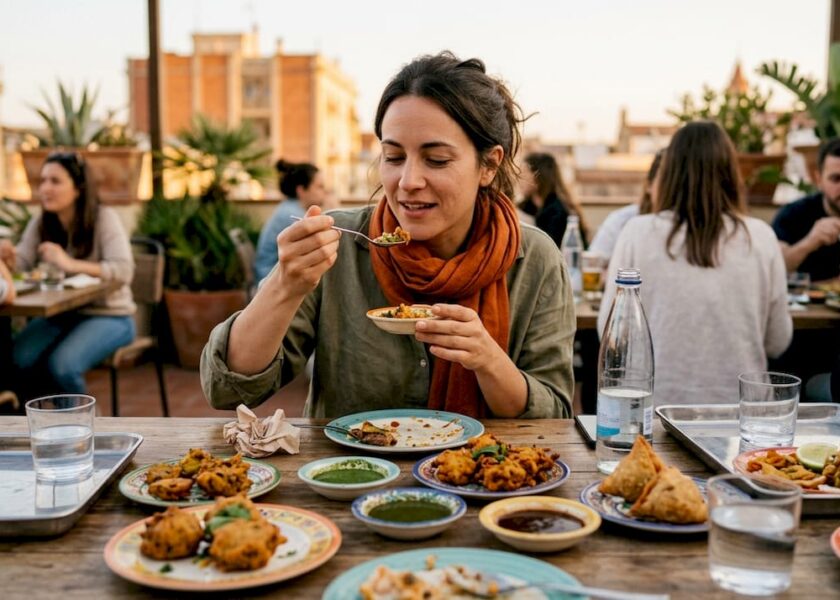
Indian cuisine here does not simply transplant itself from the subcontinent. It finds partners. Tamarind meets local tomatoes. Chaat spices encounter Catalan olive oil. The result is something neither fully Indian nor fully Barcelonan, but genuinely its own thing. Golmaal in Barceloneta is a strong example: the restaurant fuses Indian street food roots with Mediterranean ingredients, producing dishes like naanwiches and a butter chicken with a distinctly local twist. It is bold, joyful cooking that respects both traditions equally.
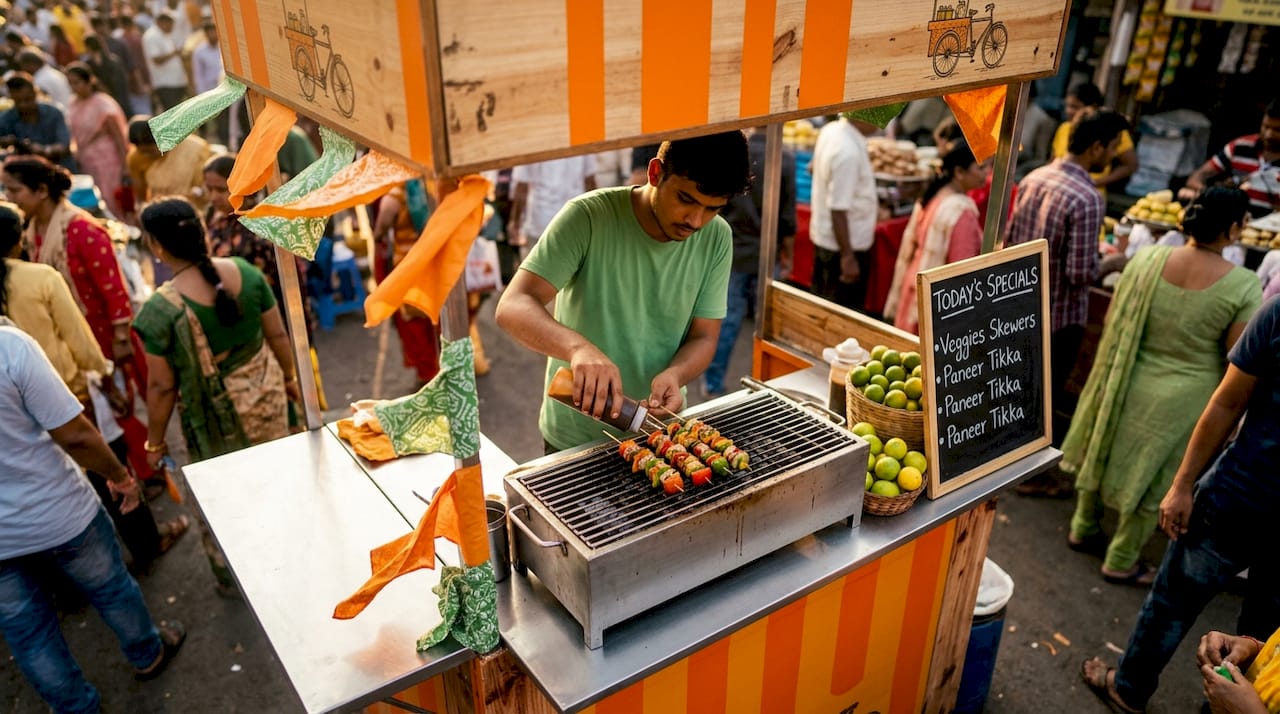
Modern food halls have also amplified this fusion energy. Venues like Time Out Market Barcelona curate a cross-cultural selection where visitors can move between traditional Catalan dishes and spiced Indian small plates in the same sitting. For the food lover interested in authentic Indian street food, these spaces are genuinely worth your time.
What to look for when experiencing Indian street food in Barcelona’s markets:
- Chaat: a category of tangy, layered snacks typically featuring crisped dough, yoghurt, and tamarind. Look for versions that use locally sourced vegetables
- Samosas: the filling varies significantly by vendor. Spiced potato is the classic, but Barcelona adaptations sometimes include chickpeas or local herbs
- Dosas: thin, fermented rice and lentil crêpes, often served with chutneys that incorporate local peppers or tomatoes
- Street-style curries: rich, sauce-based dishes that travel remarkably well into food hall formats
The fusion street food experiences available in Barcelona do something important: they show that street market culture is not a museum exhibit. It evolves, it borrows, and it keeps reinventing itself without losing its essential character.
Pro Tip: When tasting Indian street food for the first time in Barcelona, ask the vendor what they would eat themselves. This question consistently unlocks the most interesting dish on the menu, the one that did not make it onto the English translation.
How guided tours enhance the street market culinary journey
Local market exploration on your own is rewarding, but guided tours offer something that independent visits rarely achieve: context. Knowing that a specific cheese has been produced the same way for four generations transforms it from an ingredient into a story. That shift in perspective is what makes eating memorable rather than merely pleasant.
Guided tapas and market tours in Barcelona typically run between 90 and 150 minutes, include between six and twelve tastings, and cost between €40 and €160 depending on group size and inclusions. They are structured to deliver cultural insight alongside the food itself.
Steps to get the most from a guided market tour:
- Book a morning slot. Tours that start before 10:00 AM access markets at their freshest and least crowded
- Choose small groups. Tours with fewer than ten participants allow for real vendor interactions rather than choreographed stops
- Tell your guide your priorities upfront. A good guide will adjust the route based on whether you are prioritising seafood, charcuterie, or fusion cuisine
- Ask about the vendors themselves. The best guides know the market families, their histories, and which stalls have been there for decades
- Bring cash. Many authentic vendors do not accept cards, and fumbling with payment interrupts the flow of what can be genuinely generous hospitality
| Feature | Budget tour (€40–€70) | Premium tour (€100–€160) |
|---|---|---|
| Duration | 90 minutes | 120–150 minutes |
| Tastings included | 6–8 | 10–12 |
| Group size | Up to 15 | Up to 8 |
| Cultural context | Basic | In-depth, historical |
| Vendor access | Standard stalls | Hidden and local-favourite vendors |
| Languages available | English, Spanish | Multiple, including Catalan |
Knowing how to organise a gastronomic outing in Barcelona before you arrive means the difference between a pleasant afternoon and a genuinely transformative one. The steps to enjoy authentic Indian street food are equally worth understanding before you commit to a tour.
Pro Tip: If a guided tour includes a stop at a vendor who is clearly indifferent to the group, that tour is working from a commercial arrangement rather than genuine curation. The best tours take you to vendors who are surprised and delighted to have visitors, not ones who have a sign waiting for you.
Choosing the right market and timing for an authentic local experience
La Boqueria is the famous one, and that fame is both its strength and its problem. The inner stalls near the far end of the market still function as a genuine local resource. But the front third, facing La Rambla, has shifted significantly toward tourist pricing and presentation.
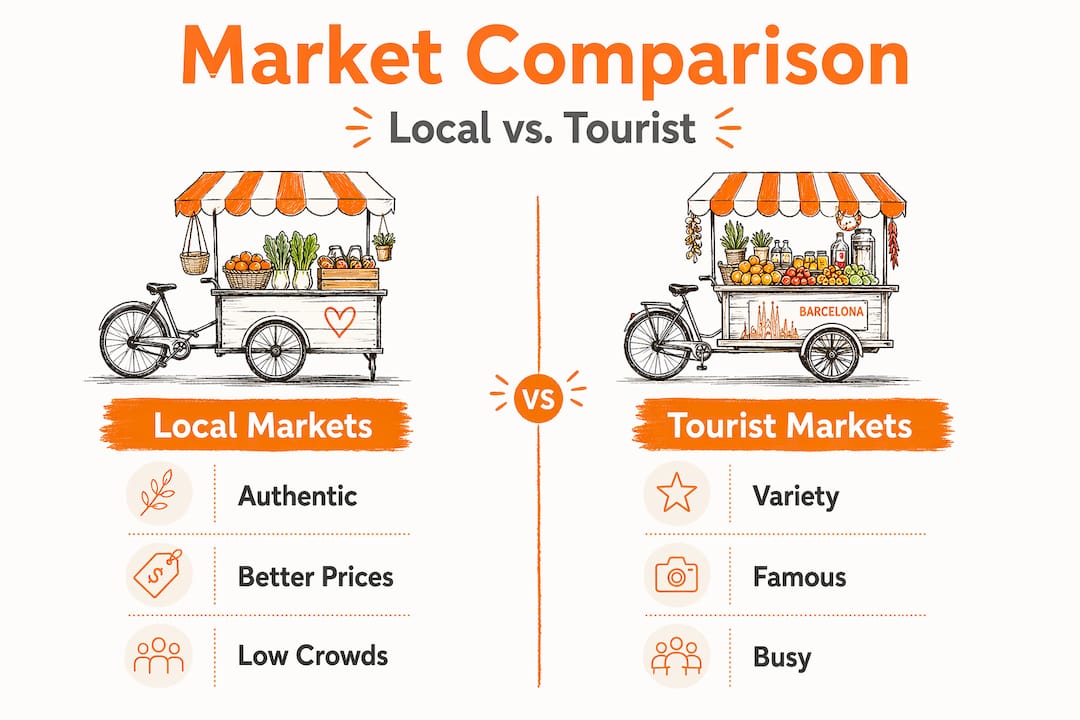
Mercat de Sant Antoni, by contrast, remains a proper neighbourhood market. Locals genuinely shop there, prices reflect that reality, and the atmosphere is calm and purposeful rather than performative. On weekday mornings it operates as it always has: as the functional heart of a neighbourhood.
| Market | Best for | Crowd level | Best visiting time | Price level |
|---|---|---|---|---|
| La Boqueria | Variety, spectacle, freshness | High near entrance | Before 10:00 AM | Tourist pricing at entrance; fair inside |
| Mercat de Sant Antoni | Authentic local experience | Low to moderate | Weekday mornings | Local pricing throughout |
| Mercat de l’Abaceria | Antiques and street food | Moderate at weekends | Saturday mornings | Mixed |
| Mercat de Santa Caterina | Architecture, produce | Lower than Boqueria | Any morning | Fair |
Timing your visit matters considerably. The street food types and trends you encounter shift through the day: mornings bring produce vendors and breakfast stalls, midday brings cooked food and tapas, and late afternoon, particularly after 4:00 PM, offers a slower, more conversational pace.
What to buy at street markets in Barcelona:
- Jamón ibérico sliced to order from a specialist vendor
- Seasonal fruit from interior stalls, not pre-packaged selections near the entrance
- Local cheesemakers’ produce, particularly aged Manchego and creamy Mahón
- Prepared sauces, spice blends, and chutneys from fusion vendors
- Fresh bread from the smaller bakery stalls that supply local restaurants
Pro Tip: At Mercat de Sant Antoni, the booksellers outside operate on Sunday mornings alongside the food market. You can buy a second-hand cookbook written in Catalan and a plate of fresh cheese within fifty metres of each other. That combination of food and local knowledge is what genuine experiencing street markets actually looks like.
The deeper meaning of the street market experience
Here is what most food travel writing gets wrong: it treats the street market food experience as a consumption activity. You go, you taste, you photograph, you leave. But markets are not performance spaces. They are, as research from the Social Life Project confirms, living archives preserving intangible heritage, regional dialects, and artisanal recipes that support cultural continuity.
This matters practically. When you engage with a vendor properly, you are not just getting better food. You are participating in the mechanism that keeps these traditions alive. The vendor who explains why they use a particular paprika, the fishmonger who tells you which fish is over-fished this season, the chaat seller who explains what their grandmother added to the tamarind sauce: these are acts of cultural transmission dressed as commerce.
The fusion in street food experiences happening in Barcelona right now is not a dilution of tradition. It is tradition doing what it has always done: absorbing new influences and making them its own. Indian spices working alongside Catalan ingredients is not a compromise. It is exactly the kind of culinary evolution that insider accounts of La Boqueria show has been happening in this city for centuries.
The genuinely uncomfortable truth is this: if you visit a market only to eat, you are getting perhaps thirty per cent of what it offers. The remaining seventy per cent is in the conversations, the observation, the willingness to slow down and watch how a city actually feeds itself. That is what makes the street market experience irreplaceable, and it cannot be replicated in any restaurant, however talented its kitchen.
Discover authentic Indian street foods with Desi Galli in Barcelona
If exploring Barcelona’s street market culture has sharpened your appetite for Indian flavours woven into a Mediterranean setting, there is a natural next step waiting for you.
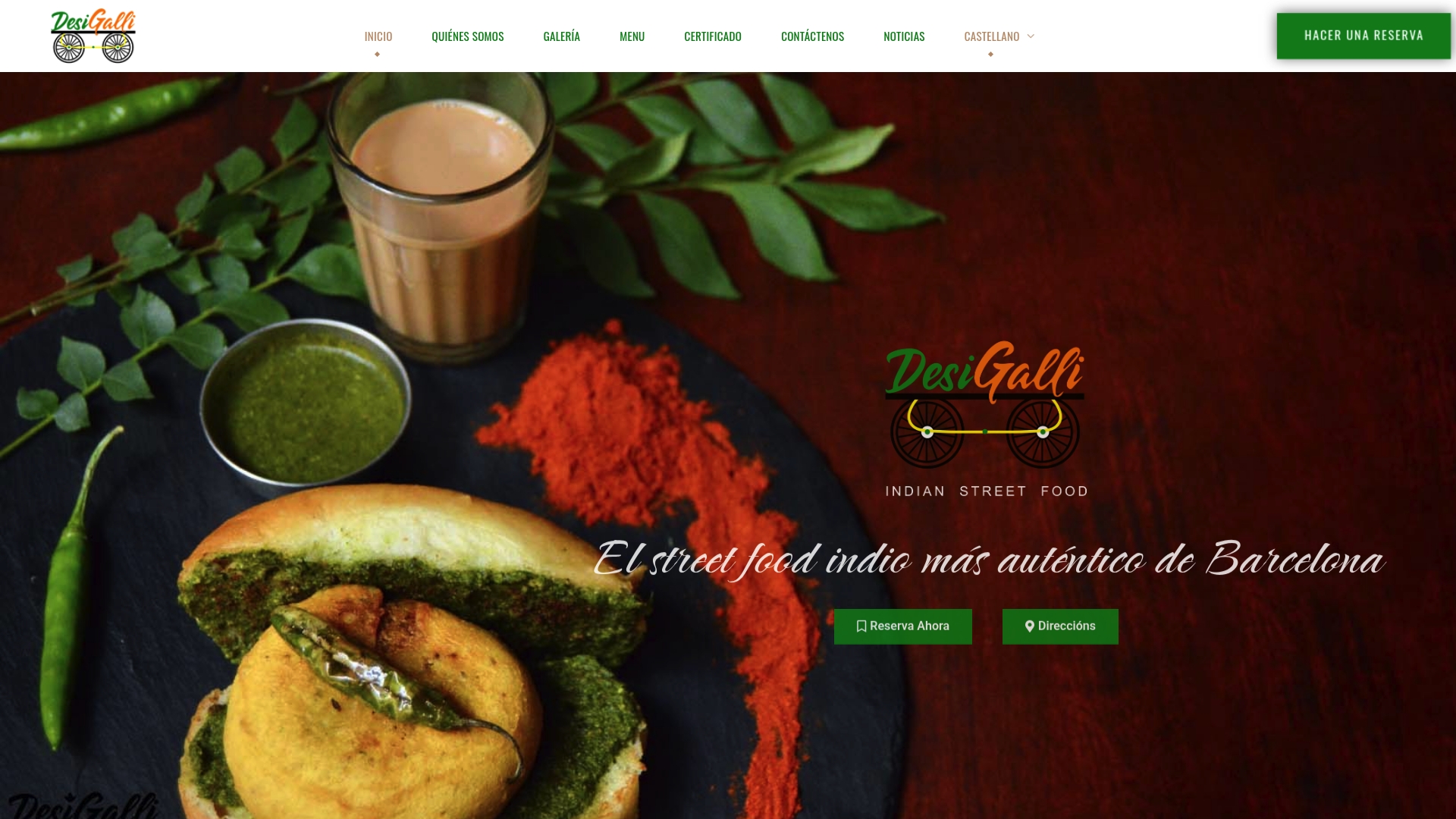
Desi Galli brings the energy and authenticity of Indian street markets directly into Barcelona, with a menu built around samosas, chaat, curries, and bold spice combinations that honour traditional Indian street food flavours and rituals whilst embracing the city’s own ingredients. Whether you are building a full day of culinary exploration or looking for a focused, memorable meal, Desi Galli is where that experience lands. You can also use the website to organise culinary outings in Barcelona and plan your visit around the city’s wider food culture.
Frequently asked questions
What is the best time to visit Barcelona’s street markets to avoid crowds?
The best time to visit is before 10:00 AM, when markets like La Boqueria are at their freshest and least congested. A second window opens after 4:00 PM once the lunch rush has cleared.
Are Barcelona’s street markets mainly for tourists or locals?
While certain areas cater heavily to tourists, much of La Boqueria and most of Mercat de Sant Antoni still serve locals daily as genuine shopping and social spaces reflecting authentic culinary traditions.
How can I experience authentic Indian street food in Barcelona?
Visit specialists like Golmaal, which fuses Indian street food roots with Mediterranean freshness, or join a guided tasting tour that includes Indian fusion stops alongside traditional Catalan produce.
Why are guided tapas tours recommended for market visits?
Guided tours last around 2.5 hours and provide cultural context, multiple curated tastings, and access to vendor relationships that independent visitors simply cannot replicate by wandering in alone.
Recommended
- Street Food en Barcelona: Sabores, Opciones y Tendencias – Desi Galli
- 🎖️ Restaurante de Comida India Callejera en Barcelona
- Street Food Experience: Sabores Indios en Barcelona – Desi Galli
- Indian street food: Flavours, rituals and where to try in Barcelona – Desi Galli