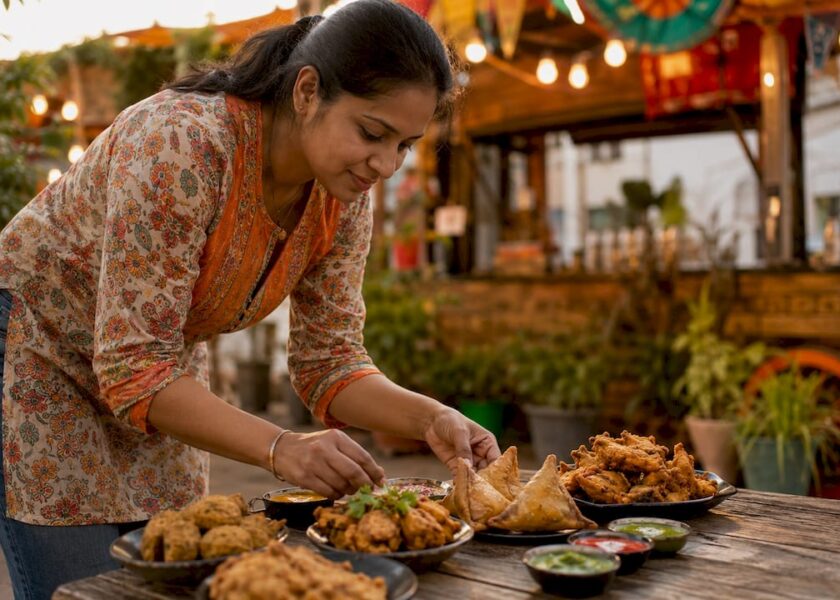

Barcelona has a reputation for jamón, fresh seafood, and cheese-laden pintxos. So the question of why eat plant-based in Barcelona might seem counterintuitive at first. But the city’s plant-based food culture has quietly become one of the most exciting and substantive in Europe, blending Mediterranean abundance with culinary creativity and real scientific backing. Whether you are spending a long weekend here or a full fortnight, this guide will show you why going plant-based in this city is neither a compromise nor a novelty but a genuinely rewarding way to eat.
Table of Contents
- Health benefits of eating plant-based in Barcelona
- Environmental impact and sustainability of plant-based eating in Barcelona
- Barcelona’s vibrant plant-based dining scene: more than just vegan food
- Blending authentic culture with plant-based choices: signature dishes and local culinary experiences
- How to make the most of plant-based eating during your Barcelona visit
- Why plant-based eating in Barcelona is a unique cultural and health experience worth embracing
- Explore authentic plant-based and Indian street food in Barcelona with Desi Galli
- Frequently asked questions
Key Takeaways
| Point | Details |
|---|---|
| Health benefits | Plant-based diets in Barcelona reduce risks of heart disease, diabetes, and cancer through nutrient-rich foods and gut health. |
| Environmental impact | Switching to plant-based eating in Barcelona significantly cuts greenhouse gas emissions and energy use. |
| Cultural authenticity | Barcelona offers plant-based versions of traditional Catalan dishes preserving local flavours and dining culture. |
| Diverse dining options | The city features nearly 200 vegan restaurants ranging from casual to fine dining for every occasion. |
| Practical tips | Plan meals using local rhythms, combining markets, takeaways, and restaurants for a rich plant-based experience. |
Health benefits of eating plant-based in Barcelona
For health-conscious travellers, the benefits of a plant-based diet are not abstract. They show up in your energy levels, digestion, and how your body feels after three days of holiday eating. When you swap away from the ultra-processed options that crowd tourist menus and focus on whole, plant-centred meals instead, the science is clearly on your side.
The most significant gains centre on cardiovascular and metabolic health. Epidemiological evidence consistently links plant-based diets with lower risks of cardiovascular disease, type 2 diabetes, cancer, and all-cause mortality, driven largely by gut microbiome improvements and reduced systemic inflammation. These are not small shifts. They represent meaningful reductions in risk across a lifetime of eating.
Key mechanisms that matter for travellers:
- Gut microbiome support: Fibre-rich plant foods feed beneficial gut bacteria, reducing inflammation that often flares during travel due to disrupted routines and different foods.
- Insulin sensitivity: Clinical trials confirm that plant-based diets improve insulin response, which matters when you are eating irregularly across different time zones.
- Anti-inflammatory effect: Polyphenols found in legumes, vegetables, and whole grains actively lower markers of systemic inflammation.
- Weight management: High fibre intake from plant foods promotes satiety without excess calories, helpful when holiday menus tempt you at every corner.
“The research base on plant-based diets and chronic disease prevention has strengthened considerably in recent years, with gut microbiome health emerging as the central mechanism connecting diet to long-term wellbeing.”
Understanding the health benefits of vegan eating in this context is important. Choosing whole plant foods rather than processed vegan alternatives is the distinction that separates genuine health gains from simply relabelling your plate.
Environmental impact and sustainability of plant-based eating in Barcelona
Beyond personal health, eating plant-based also aligns with broader environmental sustainability goals, an important factor for eco-aware visitors who want their travel choices to reflect their values.
The numbers here are striking. A low-fat vegan diet reduces diet-related greenhouse gas emissions by 55% and energy use by 44% within just 12 weeks compared to Mediterranean diets. For a tourist making food choices over a one or two-week visit, that footprint matters.
Why this matters specifically in Barcelona:
- Barcelona’s city council has committed to green urban development and reducing carbon output across the city’s food system.
- Local markets like La Boqueria and Mercat de l’Abaceria stock an extraordinary range of seasonal, locally grown produce that carries a far smaller carbon footprint than imported animal products.
- Choosing plant-based meals in neighbourhood restaurants often means supporting small businesses that source from regional farms, shortening the supply chain considerably.
- The Mediterranean climate produces some of the world’s most diverse and flavourful fruits and vegetables, meaning plant-based eating here draws on genuinely outstanding raw ingredients.
The environmental benefits of vegan food are compounded when you eat seasonally and locally. In Barcelona, that is remarkably easy. Aubergines, tomatoes, artichokes, chickpeas, and fresh herbs dominate menus for good reason. They grow here, they taste exceptional, and they cost the planet very little.
Statistic to note: Removing animal products from your diet accounts for the majority of the sustainability gains on a plant-based diet. Plant-based eating is not just about what you add to your plate; it is primarily about what you remove.
Barcelona’s vibrant plant-based dining scene: more than just vegan food
Understanding the city’s thriving plant-based food scene brings this lifestyle choice to life in a real, practical context. Because knowing the science is one thing; knowing where to actually eat is another entirely.
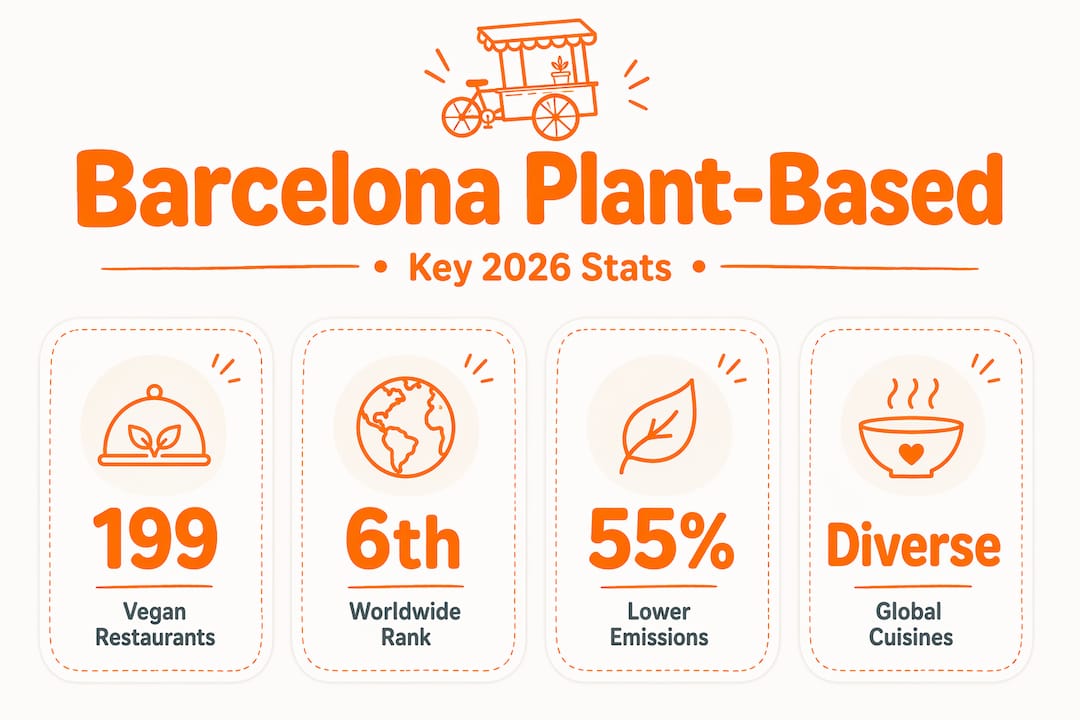
Barcelona is, without exaggeration, a world leader in plant-based dining. Barcelona ranks 6th globally among vegan-friendly cities, with 199 vegan restaurants as of 2026, including over 65 fully plant-based establishments spanning cuisines from Catalan to Japanese, Indian to Middle Eastern.
What makes the scene distinctive:
- Cultural authenticity: Restaurants are not simply removing meat from standard menus. Chefs are reimagining traditional Catalan dishes such as paella and cannelloni in fully plant-based forms with rigorous attention to technique and flavour.
- Range of settings: From lively casual canteens in the Eixample district to refined tasting-menu restaurants in El Born, you will find plant-based dining at every price point and atmosphere.
- Diverse cuisine types: Indian, Japanese, Lebanese, and Mediterranean kitchens all offer serious plant-based menus, making the scene far more varied than in most comparable European cities.
- Neighbourhood spread: The plant-based scene is not concentrated in one tourist zone. Gràcia, Sant Antoni, Poble Sec, and Poblenou all have strong local options.
Pro Tip: Avoid the most tourist-heavy stretches of Las Ramblas for plant-based eating. The Eixample and Gràcia neighbourhoods offer far better quality and far more authentic experiences at the same or lower prices.
| Type of dining | Experience level | Typical price range |
|---|---|---|
| Casual vegan canteen | Everyday neighbourhood meal | €8 to €14 per person |
| Cultural-fusion restaurant | Immersive tasting experience | €15 to €30 per person |
| Fine dining plant-based | Elevated tasting menus | €40 and above |
| Market stalls and takeaways | Quick, fresh, seasonal | €4 to €8 per item |
Exploring the full range of varied vegan options in Barcelona is genuinely one of the city’s great pleasures for a curious, health-conscious visitor.
Blending authentic culture with plant-based choices: signature dishes and local culinary experiences
Tourists often worry that choosing plant-based means stepping outside the local food culture. In Barcelona, the opposite is increasingly true.
Several restaurants are doing technically impressive work. Pötstot, for example, serves 100% vegan, gluten-free Catalan dishes including paella with socarrat (the prized crispy rice layer at the base), cannelloni, and patatas bravas, prepared with the same care and technique as their traditional counterparts. The socarrat alone requires precise heat control and the right variety of rice; achieving it without animal stock is a genuine culinary feat.
Beyond Catalan classics, Veganashi offers plant-based sushi adapted to local tastes, demonstrating how plant-based food integration in Barcelona extends well beyond salads and grain bowls into formats that are culturally specific and technically demanding. This kind of creative adaptation is what separates Barcelona’s scene from simply having a few vegan options on otherwise conventional menus.
Signature plant-based experiences worth seeking out:
- Vegan paella with seasonal vegetables and socarrat, cooked in a proper paellera.
- Catalan cannelloni filled with mushroom and walnut picada (a ground nut and herb sauce).
- Pan con tomate, the simplest and most satisfying Catalan staple, entirely plant-based by default.
- Indian-spiced lentil dishes and chickpea chaats that echo the legume-rich tradition of both Catalan and South Asian cooking.
- Seasonal vegetable tapas using local produce, where the ingredient quality does most of the work.
Pro Tip: Pan con tomate is not just a side dish in Barcelona; it is a ritual. Order it at almost any restaurant, plant-based or otherwise, and you are immediately eating like a local. It is also, entirely by accident, a perfect example of whole-food plant-based eating.
For more inspiration, the range of authentic vegan dishes in Barcelona includes Indian classics that bring an entirely different dimension to the plant-based conversation.
How to make the most of plant-based eating during your Barcelona visit
Now you know where to eat and what to try, here is how to plan your plant-based dining experience so it genuinely enhances your trip rather than adding stress to it.
- Align with local eating rhythms. Lunch in Barcelona is the main meal, served between 2pm and 4pm. Many plant-based restaurants offer exceptional lunch menus (menú del día) at €12 to €15 for two or three courses, representing extraordinary value for quality eating.
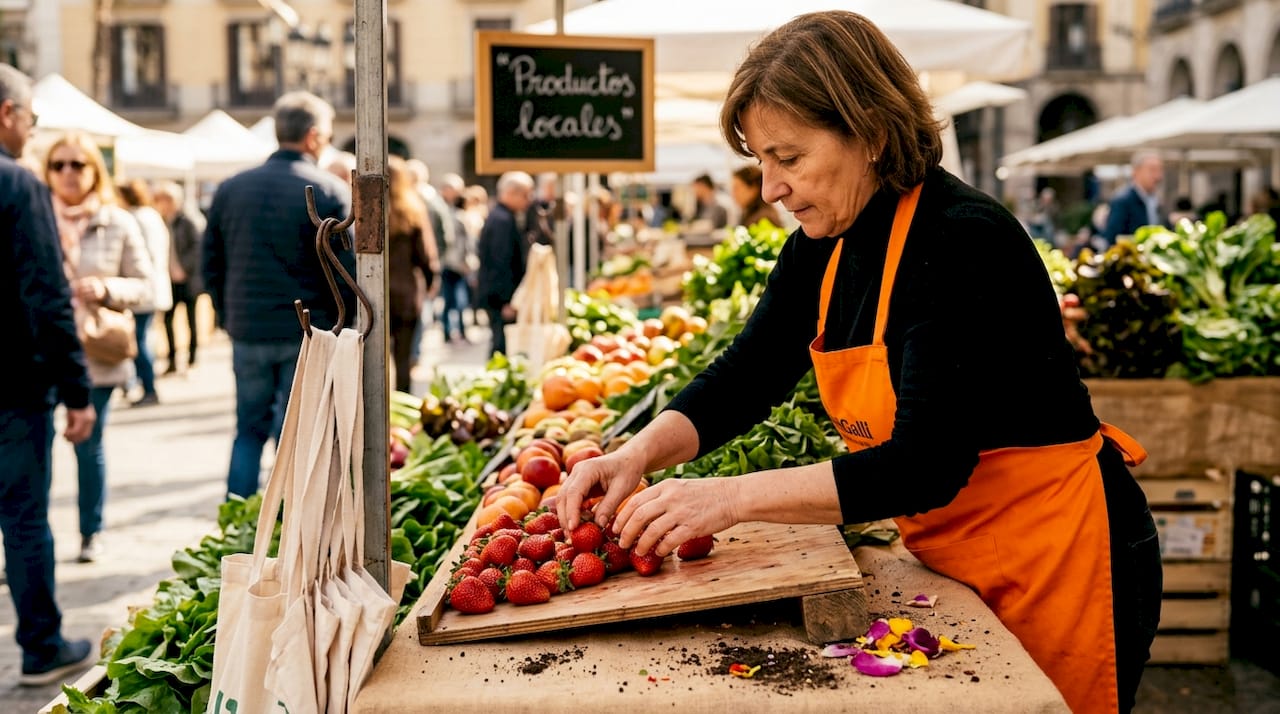
- Use markets as your base. La Boqueria, Mercat de Santa Caterina, and Mercat de l’Abaceria all sell fresh seasonal produce, juices, and street food that is naturally plant-based and outstandingly good.
- Book ahead for popular spots. The best plant-based restaurants in Barcelona fill up. Check plant-based dining options and reserve at least a day in advance for dinner.
- Communicate dietary needs clearly. Most restaurants in Barcelona are accustomed to vegan requests. Saying “sóc vegà/vegana” (I am vegan) and “sense carn ni peix ni làctics” (without meat, fish, or dairy) covers most situations.
- Combine formats. Mix sit-down restaurants with market tastings and takeaways for variety. Barcelona’s plant-based options fit naturally across delivery, takeaway, and dining occasions, so you are never restricted to one format.
Pro Tip: The neighbourhood of Gràcia is arguably the best single area for plant-based eating in the city. It is walkable, local, and densely packed with good independent restaurants that are completely off the typical tourist trail. Spend at least one lunch there.
For a structured approach, the plant-based eating checklist in Barcelona offers a practical step-by-step framework that is especially useful for first-time visitors.
Why plant-based eating in Barcelona is a unique cultural and health experience worth embracing
Here is the thing that most travel guides miss: Barcelona’s plant-based dining scene is not the product of wellness trends or marketing. It emerged from a culture that already took food craft extremely seriously, then applied that same rigour to the challenge of cooking without animal products.
Barcelona’s vegan restaurants prioritise technical cooking skill and cultural fidelity over convenience. That is a meaningful distinction. You are not eating food that has been simplified for a mass market. You are eating food made by chefs who understand what socarrat is, why it matters, and how to achieve it without fish stock or chicken fat. That combination of intellectual seriousness and culinary tradition is genuinely rare.
Most cities with strong vegan scenes built them on the back of health culture alone. San Francisco, London, Berlin, all followed a broadly similar pattern: health-focused cafés, then specialist restaurants, then gradual mainstreaming. Barcelona arrived at the same destination by a different route. The Mediterranean food tradition already placed vegetables, legumes, and grains at the centre of daily eating. Plant-based cuisine here is not a correction or a departure; it is a deepening of something already present.
This matters for you as a visitor because it means the unique vegan options in Barcelona feel rooted and confident rather than provisional. When a chef makes a vegan cannelloni here, they are not hedging; they are making a statement about what Catalan food can be.
The intersection of real health evidence, genuine environmental responsibility, and deep culinary craft makes Barcelona perhaps the most compelling city in Europe to commit to plant-based eating, even temporarily. You leave feeling better, eating better, and with a clearer sense of what food at its best can actually be.
Explore authentic plant-based and Indian street food in Barcelona with Desi Galli
Barcelona’s plant-based scene is wide, and part of its appeal is precisely how international it has become. One of the most compelling additions to that scene is Desi Galli, an authentic Indian street food restaurant in the heart of the city that brings bold spice, cultural depth, and serious vegan credentials to your Barcelona food itinerary.
At Desi Galli, the Indian street food flavours and rituals translate directly into dishes like samosas, chaat, and spiced lentil curries, many of which are entirely plant-based by tradition rather than by substitution. This is a crucial difference. Indian cuisine has centuries of plant-based cooking behind it, and that knowledge shows on every plate. Whether you are fully committed to a plant-based lifestyle or simply curious about broadening your palate, exploring the plant-based variety at Desi Galli adds a vivid and flavourful dimension to everything Barcelona’s extraordinary food scene has to offer.
Frequently asked questions
Is plant-based eating healthy for travellers in Barcelona?
Yes. Well-planned plant-based diets focusing on whole, minimally processed foods are linked to lower risks of chronic disease, including heart disease, diabetes, and certain cancers, making them a strong choice for health-conscious travellers.
How extensive is the plant-based dining scene in Barcelona?
Barcelona boasts 199 vegan restaurants as of 2026 and ranks 6th globally among vegan-friendly cities, with diverse cuisines including authentic Catalan plant-based cooking.
Can I enjoy traditional Catalan dishes in plant-based form?
Yes. Several Barcelona restaurants offer 100% vegan versions of Catalan classics like paella, cannelloni, and patatas bravas, preserving cultural flavours and cooking techniques in entirely plant-based form.
Does plant-based eating in Barcelona help reduce environmental impact?
Absolutely. Adopting a low-fat vegan diet can reduce greenhouse gas emissions by 55% compared to Mediterranean diets, substantially lowering your travel food footprint.
How can I plan my plant-based meals while visiting Barcelona?
Combine vegan restaurant visits with local market tastings and neighbourhood takeaways, book popular spots in advance, and align with local eating rhythms. Barcelona’s plant-based dining fits naturally across all meal formats and occasions.
Recommended
- 7 pasos clave en checklist para comer vegano en Barcelona – Desi Galli
- 7 ventajas de comer vegano en Barcelona que debes conocer – Desi Galli
- Opciones Veganas en Barcelona: Más Allá del Tofu – Desi Galli
- Street Food en Barcelona: Sabores, Opciones y Tendencias – Desi Galli